Society and the state
How communities form, hold together and fall apart.
226 works · Refine in the browser → · Marked passages →
Aristotle says the city comes before the individual, as the whole comes before the part, and that a man who can live outside one is either a beast or a god. Plato’s Republic designs a city from nothing to find out what justice is. Thucydides watches Athens come apart under the pressure of war and plague and writes the pages on civil strife at Corcyra that every later historian has copied.
Augustine’s City of God, written as Rome fell, says there are two cities, one built on love of self and one on love of God, and that no earthly state is either. The moderns, from Machiavelli on, put the earthly one back at the centre. Hobbes, Locke and Rousseau each imagine people before there was a state and derive the state from what they would agree to. Smith finds a society that organises itself without anyone intending it. Marx says every society so far has been a class arranging for its own advantage.
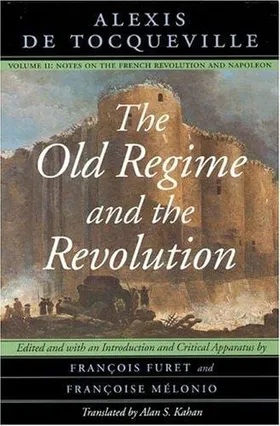
Tocqueville, the most read book on this shelf after the Republic, is the first to study a society built on equality and to wonder whether it could last. He is still the best guide to the question, and most programs assign him in the final year for that reason.