History and progress
Whether things get better, and what drives change.
109 works · Refine in the browser → · Marked passages →
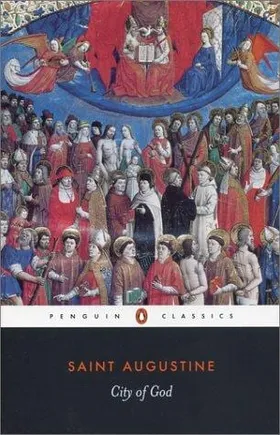
The Greeks did not think so: history, for Thucydides, was a record of what human nature does under pressure, and it would do it again. Hesiod has the ages running from gold down to iron. The idea that history is going somewhere comes from the Hebrew prophets and reaches its full form in Augustine’s City of God, where all of time is the story of two loves and their ending.
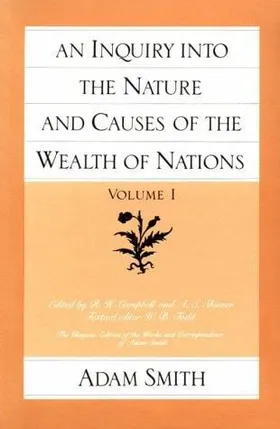
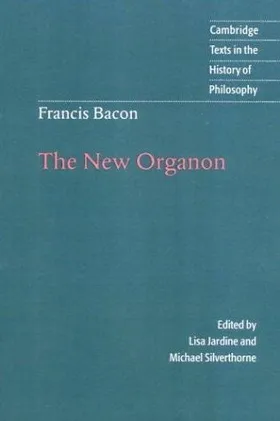
The Renaissance recovered the pagan view and Machiavelli’s Discourses on Livy treat history as a manual. Then Bacon proposed that knowledge could accumulate, and the Enlightenment turned that into progress. Adam Smith described a society improving itself through the division of labour. Rousseau, watching the same society, wrote that every step forward had been a step away from what we were. Kant tried to reconcile them with a history that was progress in spite of us.
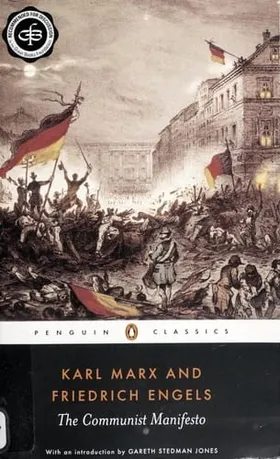
Hegel made history the self-realisation of spirit and Marx stood Hegel on his head: the engine is not spirit but production, and the story is class struggle with an ending. Darwin gave the living world a history without direction at all. Tolstoy, in the essays that close War and Peace, denies that anyone can find the causes. The shelf ends without agreement, which is the point.