Animal Farm
A Fairy Story
Assigned by 1 of the 9 reading lists
The animals of Manor Farm, inspired by the dying boar Old Major, drive out the drunken farmer Jones and run the farm themselves on seven commandments of Animalism. The pigs, being cleverest, take charge. Napoleon drives out his rival Snowball with dogs he has secretly raised, rewrites history, works the horse Boxer to death and sells him to the knacker, and revises the commandments until only one remains: all animals are equal, but some are more equal than others. A fable of the Russian Revolution and Stalin's rule.
We recommendAnimal FarmSignet Classics, 1996The cheapest complete edition, with Orwell's preface to the Ukrainian edition; the Penguin Modern Classics edition adds the suppressed original preface.
As an Amazon Associate, The Great Books earns from qualifying purchases. Bookshop.org links also support this site. How this works.
- Written
- 1945
- Form
- Satire
- Language
- English
- Length
- Short · 110 ppunder 120 pages
- Difficulty
- Approachable1 of 5 for a first-year reader
Signet Classics edition
Buy on Amazon: Animal Farm, opens in a new tabBookshop.org: Animal Farm, opens in a new tab
Why it's on the list
Orwell compresses the entire Russian Revolution and Stalin's rise into a farmyard fable simple enough for children to follow while remaining precise enough for adults to recognize every major historical betrayal, achieving a rare combination of genuine accessibility and considerable political sophistication. Napoleon's rewriting of history and gradual revision of the commandments, culminating in the single surviving principle that some animals are more equal than others, demonstrates how totalitarian power operates specifically through controlling language and memory rather than through naked force alone, corrupting the very terms revolution had used to promise equality. Boxer's fate, worked to death and sold to the knacker despite his own unwavering loyalty and effort, stages betrayal of the working class by the revolutionary leadership that had promised to serve their interests, arguably the fable's single most devastating individual destruction. Squealer's propaganda work throughout, endlessly justifying each new betrayal in terms the animals cannot quite counter, shows how sophisticated rhetorical manipulation sustains tyranny even without requiring most subjects' genuine belief in what they are told.
Key themes
- Power and authority
- Napoleon drives out his rival Snowball with dogs he has secretly raised, consolidating power through violence disguised as necessity, a specifically Stalinist purge compressed into the fable's farmyard setting.
- Language and rhetoric
- Napoleon's rewriting of history and gradual revision of the commandments, culminating in the single surviving principle that some animals are more equal than others, demonstrates how totalitarian power operates through controlling language and memory.
- Liberty and rights
- The animals' original seven commandments of Animalism, promising genuine equality and self-governance after driving out Jones, are gradually revised until nothing remains of the liberty the revolution had originally promised.
- Justice
- Boxer's fate, worked to death and sold to the knacker despite his unwavering loyalty and effort, stages betrayal of the working class by the revolutionary leadership that had promised to serve their interests.
Which edition to read
Our pick
Animal Farm
Signet Classics, 1996
The cheapest complete edition, with Orwell's preface to the Ukrainian edition; the Penguin Modern Classics edition adds the suppressed original preface.
Amazon: the Signet Classics edition, opens in a new tabBookshop.org: the Signet Classics edition, opens in a new tab
Overview
About a hundred and ten pages, George Orwell’s satire, published in 1945, a fable of the Russian Revolution and Stalin’s rule. The animals of Manor Farm, inspired by the dying boar Old Major, drive out the drunken farmer Jones and run the farm themselves on seven commandments of Animalism.
The pigs, being cleverest, take charge. Napoleon drives out his rival Snowball with dogs he has secretly raised, rewrites history, works the horse Boxer to death and sells him to the knacker, and revises the commandments until only one remains: all animals are equal, but some are more equal than others.
What happens
Old Major’s vision. The dying boar Old Major inspires the animals of Manor Farm with a vision of a revolution against human rule, articulating the ideals that will shortly become the seven commandments of Animalism.
Driving out Jones. The animals drive out the drunken farmer Jones and take control of the farm themselves, establishing a revolutionary order intended to secure equality and self-governance for every animal on the farm.
The pigs take charge. The pigs, being cleverest among the animals, gradually assume leadership of the farm’s operations, a division of labor that begins reasonably but steadily concentrates increasing power in their own hands.
Napoleon drives out Snowball. Napoleon drives out his rival Snowball using dogs he has secretly raised and trained, a violent consolidation of personal power disguised as necessary defense of the revolution against a traitor.
Rewriting history and working Boxer to death. Napoleon rewrites the farm’s history to erase inconvenient truths, works the loyal horse Boxer to death, and sells him to the knacker despite Boxer’s unwavering devotion to the revolutionary cause.
Revising the commandments. Napoleon revises the original seven commandments until only one remains, all animals are equal, but some are more equal than others, completing the corruption of the revolution’s founding egalitarian principles.
How to read it
Read Orwell’s compression of the Russian Revolution and Stalin’s rise into a farmyard fable as achieving rare accessibility alongside genuine political sophistication; the story stays simple enough for children while remaining precise enough for adults to recognize each historical betrayal.
Pay close attention to how Napoleon’s rewriting of history and gradual revision of the commandments demonstrates totalitarian power operating through controlling language and memory rather than through naked force alone, corrupting the very terms the revolution had used to promise equality.
Notice how Boxer’s fate, worked to death and sold to the knacker despite his own unwavering loyalty, stages betrayal of the working class by revolutionary leadership that had promised to serve their interests, arguably the fable’s most devastating individual destruction.
Consider Squealer’s propaganda work throughout, endlessly justifying each new betrayal in terms the animals cannot quite counter, as showing how sophisticated rhetorical manipulation sustains tyranny even without requiring most subjects’ genuine belief in what they are told.
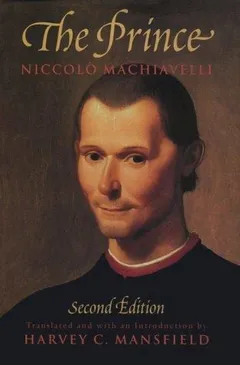
Read this fable alongside Machiavelli’s Prince to compare two very different treatments of how power is actually seized and maintained, one offering frank practical counsel to a prince, the other exposing the same dynamics through satirical allegory of revolutionary betrayal.
Questions it raises
- Does compressing the Russian Revolution and Stalin’s rise into a simple farmyard fable successfully convey the complexity of actual historical events, or does this simplification risk flattening genuine political and economic causes into mere individual villainy?
- How does Napoleon’s gradual revision of the commandments, rather than any single dramatic reversal, shape your understanding of how totalitarian power actually consolidates? Does this incremental corruption feel more or less disturbing than sudden, open betrayal would?
- What does Boxer’s fate suggest about the fable’s ultimate judgment on revolutionary movements more broadly? Does his unwavering loyalty despite eventual betrayal represent tragic virtue, or does the story suggest such loyalty was itself part of the problem?
- How persuasive is Squealer’s propaganda within the fable’s own logic? Does his ability to justify each new betrayal reveal something troubling about how easily language can be manipulated to sustain power regardless of genuine belief?
- Given that the pigs specifically, rather than any other animal, end up consolidating power, what does this choice suggest about Orwell’s view of intellectual or administrative leadership’s particular vulnerability to corruption within revolutionary movements?
- What does the fable’s final image, pigs and humans becoming indistinguishable to the other animals, suggest about Orwell’s ultimate judgment on revolution’s capacity for genuine transformation versus its tendency to simply replace one ruling class with another?
Highlights
The animals of Manor Farm, inspired by the dying boar Old Major, drive out the drunken farmer Jones and run the farm themselves on seven commandments of Animalism, establishing a revolutionary order promising genuine equality among all animals.
Paraphrase of the fable's opening revolutionary action, establishing the egalitarian principles that will later be betrayed.
Napoleon drives out his rival Snowball with dogs he has secretly raised, rewrites history, works the horse Boxer to death and sells him to the knacker, consolidating absolute power through violence, propaganda and betrayal of the animals who trusted him most.
Paraphrase of the fable's central turn, revolutionary leadership betraying the very animals it claimed to serve.
Napoleon revises the commandments until only one remains: all animals are equal, but some are more equal than others, the fable's final devastating summary of how totalitarian power corrupts revolutionary language while claiming to preserve its original principles.
Paraphrase of the fable's most famous line, capturing the complete corruption of the revolution's founding principles.