Virtue and character

Courage, temperance, wisdom, and how they are learned.

133 works · Refine in the browser → · Marked passages →

Courage, temperance, justice and wisdom: the four the Greeks named, and the question of how anyone comes to have them. Plato thinks virtue is knowledge, so that nobody does wrong on purpose. Aristotle thinks it is habit, so that you become brave by doing brave things until they come naturally, and the whole of education is arranging for that to happen. Plutarch wrote fifty biographies to show what the virtues look like in a life, and for eighteen centuries his Lives were the book young men were given to learn them from.

Then Machiavelli split the word in two. His virtù is what gets things done, and it includes cruelty when cruelty is needed, so that a prince who tries to be good in the old sense will be destroyed by those who are not. Every later moralist has had to answer him. Kant answers by locating virtue entirely in the will, so that consequences do not count. Nietzsche answers by agreeing with Machiavelli and going further.

The Christian tradition adds faith, hope and charity, and Aquinas’s Summa spends hundreds of pages fitting the Greek four to the Christian three. The shelf is long because every program assigns it in every year; it is, in the end, what the programs are for.
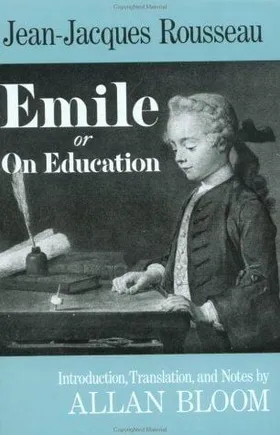
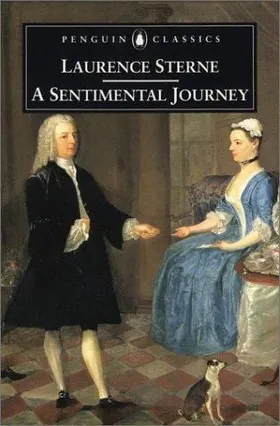
The PrinceNiccolò Machiavelli · 1513ApologyPlato · c. 395 BCEGroundwork of the Metaphysics of MoralsImmanuel Kant · 1785PhaedoPlato · c. 380 BCENicomachean EthicsAristotle · c. 340 BCELives of the Noble Grecians and RomansPlutarch · c. 100-120Summa TheologicaThomas Aquinas · 1265-1274EssaysMichel de Montaigne · 1580-1595CritoPlato · c. 395 BCEThe Canterbury TalesGeoffrey Chaucer · c. 1387-1400MenoPlato · c. 385 BCEAnnalsTacitus · c. 115-120EnchiridionEpictetus · c. 125 CEDiscourses on the First Ten Books of LivyNiccolò Machiavelli · c. 1513Beyond Good and EvilFriedrich Nietzsche · 1886HippolytusEuripides · 428 BCEMeditationsMarcus Aurelius · c. 170-180On the Freedom of a ChristianMartin Luther · 1520Fear and TremblingSøren Kierkegaard · 1843Adventures of Huckleberry FinnMark Twain · 1884-1885On the Genealogy of MoralsFriedrich Nietzsche · 1887Medical WritingsHippocrates · c. 430-350 BCEGorgiasPlato · c. 385 BCEOn DutiesCicero · 44 BCEHistory of RomeLivy · 20 BCELetter to the RomansPaul the Apostle · c. 57 CEThe Praise of FollyDesiderius Erasmus · 1511Henry IV, Part 1William Shakespeare · c. 1596-1597AreopagiticaJohn Milton · 1644TartuffeMolière · 1664A Treatise of Human NatureDavid Hume · 1739-1740The Decline and Fall of the Roman EmpireEdward Gibbon · 1776-1789UtilitarianismJohn Stuart Mill · 1861The Descent of ManCharles Darwin · 1871The Sayings of ConfuciusConfucius · c. 5th c. BCEEuthyphroPlato · c. 395 BCEProtagorasPlato · c. 390 BCERhetoricAristotle · c. 335 BCEDiscoursesEpictetus · c. 108 CEHistoriesTacitus · c. 105-110The Faerie QueeneEdmund Spenser · 1590-1596Julius CaesarWilliam Shakespeare · 1599EssaysFrancis Bacon · 1597-1625English Minor PoemsJohn Milton · 1629-1673The Provincial LettersBlaise Pascal · 1656-1657The MisanthropeMolière · 1666Some Thoughts Concerning EducationJohn Locke · 1693Critique of Practical ReasonImmanuel Kant · 1788Life of Samuel JohnsonJames Boswell · 1791A Vindication of the Rights of WomanMary Wollstonecraft · 1792EssaysRalph Waldo Emerson · 1841 and 1844FablesAesop · c. 6th c. BCELeviticusThe Bible · c. 6th c. BCETao Te ChingLaozi · c. 4th c. BCELawsPlato · c. 350 BCEThe Stoics ReaderVarious authors · 3rd c. BCEThe Bhagavad GitaAnonymous · c. 2nd c. BCEOn FriendshipCicero · 44 BCEOn Old AgeCicero · 44 BCELetter to the GalatiansPaul the Apostle · c. 48-55 CEMoral and Political EssaysSeneca · c. 41-62 CEGermanyTacitus · 98MoraliaPlutarch · c. 80-120The Golden Sayings of EpictetusEpictetus · c. 108 CEOutlines of ScepticismSextus Empiricus · c. 200BodhicaryavataraShantideva · c. 700 CEAn Exact Exposition of the Orthodox FaithJohn of Damascus · c. 743The Attainment of HappinessAl-Farabi · c. 940The Lais of Marie de FranceMarie de France · c. 1160-1190PurgatorioDante Alighieri · c. 1314-1316Sir Gawain and the Green KnightAnonymous · c. 1375-1400ChroniclesJean Froissart · c. 1370-1400The Book of the City of LadiesChristine de Pizan · 1405The Imitation of ChristThomas à Kempis · c. 1418-1427Two Kinds of RighteousnessMartin Luther · 1519Preface to the Epistle of St. Paul to the RomansMartin Luther · 1522The Life of Sir Thomas MoreWilliam Roper · c. 1556The Defense of PoesyPhilip Sidney · c. 1580Henry IV, Part 2William Shakespeare · c. 1597-1598Much Ado About NothingWilliam Shakespeare · c. 1598-1599Measure for MeasureWilliam Shakespeare · c. 1603-1604CoriolanusWilliam Shakespeare · c. 1608The AlchemistBen Jonson · 1610Le CidPierre Corneille · 1637Correspondence with DescartesElisabeth of Bohemia · 1643-1649Tractate of EducationJohn Milton · 1644The Lives of Donne and HerbertIzaak Walton · 1640Paradise RegainedJohn Milton · 1671The Pilgrim's ProgressJohn Bunyan · 1678Fruits of SolitudeWilliam Penn · 1693An Essay on CriticismAlexander Pope · 1711Essays, Moral and PoliticalDavid Hume · 1741-1742Joseph AndrewsHenry Fielding · 1742Tom JonesHenry Fielding · 1749The Theory of Moral SentimentsAdam Smith · 1759EmileJean-Jacques Rousseau · 1762Profession of Faith of a Savoyard VicarJean-Jacques Rousseau · 1762Rameau's NephewDenis Diderot · c. 1761London JournalJames Boswell · 1762Preface to ShakespeareSamuel Johnson · 1765A Sentimental Journey Through France and ItalyLaurence Sterne · 1768The Journal of John WoolmanJohn Woolman · 1774The School for ScandalRichard Brinsley Sheridan · 1777The Lives of the PoetsSamuel Johnson · 1779-1781An Introduction to the Principles of Morals and LegislationJeremy Bentham · 1789The Autobiography of Benjamin FranklinBenjamin Franklin · 1771Washington's Farewell AddressGeorge Washington · 1796The Metaphysics of MoralsImmanuel Kant · 1797Children's and Household TalesJacob and Wilhelm Grimm · 1812-1857A Defence of PoetryPercy Bysshe Shelley · 1821MachiavelliThomas Babington Macaulay · 1827Eugénie GrandetHonoré de Balzac · 1833Père GoriotHonoré de Balzac · 1835Civil DisobedienceHenry David Thoreau · 1849The Poetic PrincipleEdgar Allan Poe · 1848Sesame and LiliesJohn Ruskin · 1865Inaugural Address at EdinburghThomas Carlyle · 1866The IdiotFyodor Dostoevsky · 1869Thus Spoke ZarathustraFriedrich Nietzsche · 1883-1885The Will to PowerFriedrich Nietzsche · 1883Billy BuddHerman Melville · 1886Major BarbaraGeorge Bernard Shaw · 1905The Protestant Ethic and the Spirit of CapitalismMax Weber · 1904Twenty-Three TalesLeo Tolstoy · 1872Hind Swaraj, or Indian Home RuleMohandas K. Gandhi · 1909Art and ScholasticismJacques Maritain · 1920The Two Sources of Morality and ReligionHenri Bergson · 1932The Short Happy Life of Francis MacomberErnest Hemingway · 1936Mother Courage and Her ChildrenBertolt Brecht · 1939Letter from Birmingham JailMartin Luther King Jr. · 1963Personal Responsibility Under DictatorshipHannah Arendt · 1964The First CircleAleksandr Solzhenitsyn · 1968Veritatis SplendorPope John Paul II · 1993