Structural Anthropology
by Claude Lévi-Strauss · Anthropologie structurale
Assigned by 1 of the 9 reading lists
Seventeen essays from 1944 to 1957 in which Lévi-Strauss proposes that kinship, myth, ritual and art can be analysed like language, as systems of relations among elements rather than as collections of things. Drawing on the structural linguistics of Jakobson and Saussure, he treats marriage rules as exchanges of women, myths as sets of transformations, and the shaman's cure as a kind of psychoanalysis. Includes The Structural Study of Myth, Structural Analysis in Linguistics and in Anthropology, and the essays on the sorcerer and on split representation.
We recommendStructural Anthropology, translated by Claire Jacobson and Brooke Grundfest SchoepfBasic Books, 1974The standard English translation of the first volume, the one the Great Books set excerpts.
As an Amazon Associate, The Great Books earns from qualifying purchases. Bookshop.org links also support this site. How this works.
- Written
- 1958
- Form
- Treatise
- Language
- French
- Length
- Long · 410 pp300 to 700 pages
- Difficulty
- Difficult4 of 5 for a first-year reader
Claire Jacobson and Brooke Grundfest Schoepf translation
Buy on Amazon: Structural Anthropology, opens in a new tabBookshop.org: Structural Anthropology, opens in a new tab
Why it's on the list
Lévi-Strauss's central methodological move, borrowed directly from Jakobson and Saussure's structural linguistics, treats kinship, myth, ritual and art not as collections of separate cultural things but as systems of relations among elements, exactly as structural linguistics had learned to analyze language itself rather than accumulating isolated word-lists. His reading of marriage rules as systems of exchange, women moving between kinship groups according to structural logic, extends this method into social organization's most fundamental unit, treating the incest taboo and its resulting exchange networks as culture's actual foundational grammar. His treatment of myths as sets of transformations, individual stories readable as variations working through the same underlying oppositions across unrelated cultures, gave anthropology a rigorous comparative method for finding deep pattern beneath surface diversity. His analysis of the shaman's cure as functioning like psychoanalysis, both giving suffering an ordered symbolic narrative, positioned structural anthropology as a universal science of mind rather than a study of exotic custom.
Key themes
- Language and rhetoric
- Lévi-Strauss borrows structural linguistics' central method directly from Jakobson and Saussure, treating kinship, myth, ritual and art as systems of relations among elements rather than collections of separate things, exactly as linguistics analyzes language rather than isolated word-lists.
- Family and inheritance
- Lévi-Strauss reads marriage rules as systems of exchange, women moving between kinship groups according to structural logic, treating the incest taboo and its resulting exchange networks as culture's actual foundational grammar rather than mere inherited social convention.
- Knowledge and truth
- Lévi-Strauss treats myths as sets of transformations, individual stories readable as variations working through the same underlying structural oppositions across seemingly unrelated cultures, giving anthropology a rigorous comparative method for finding pattern beneath surface diversity.
- God and faith
- Lévi-Strauss analyzes the shaman's cure as functioning like psychoanalysis, both working by giving a patient's suffering an ordered symbolic narrative to inhabit, suggesting structural method extends into psychological and ritual healing as a genuinely universal feature of human cognition.
Which translation to read
Our pick
Structural Anthropology, translated by Claire Jacobson and Brooke Grundfest Schoepf
Basic Books, 1974
The standard English translation of the first volume, the one the Great Books set excerpts.
Amazon: the Claire Jacobson and Brooke Grundfest Schoepf translation, opens in a new tabBookshop.org: the Claire Jacobson and Brooke Grundfest Schoepf translation, opens in a new tab
Overview
About four hundred and ten pages, seventeen essays by Claude Lévi-Strauss written between 1944 and 1957, gathered as the first volume of Structural Anthropology. Drawing directly on the structural linguistics of Jakobson and Saussure, Lévi-Strauss proposes that kinship, myth, ritual and art can be analysed like language, as systems of relations among elements rather than as collections of separate things.
He treats marriage rules as exchanges of women between kinship groups, myths as sets of transformations readable as variations on shared underlying structures, and the shaman’s cure as a kind of psychoanalysis. The collection includes The Structural Study of Myth, Structural Analysis in Linguistics and in Anthropology, and the essays on the sorcerer and on split representation.
What happens
Borrowing structural linguistics’ method. Lévi-Strauss opens by proposing that anthropology should adopt structural linguistics’ central method, treating cultural phenomena as systems of relations among elements rather than as collections of separate things to be simply catalogued and described.
Marriage rules as exchange systems. Lévi-Strauss treats marriage rules as systems of exchange, women moving between kinship groups according to an underlying structural logic, reading the incest taboo as the specific mechanism generating culture’s foundational kinship structures and alliances.
The Structural Study of Myth. The collection includes Lévi-Strauss’s influential essay on myth, treating individual myths as sets of transformations, readable as variations working through the same underlying structural oppositions across seemingly unrelated cultures and traditions.
Structural analysis in linguistics and anthropology. Lévi-Strauss develops directly the methodological parallel between structural linguistics and structural anthropology, arguing that the same fundamental analytical approach can illuminate both language and broader cultural systems.
The sorcerer and the shaman’s cure. Lévi-Strauss analyzes the sorcerer and compares the shaman’s cure to psychoanalysis, arguing both work by giving a patient’s inchoate suffering an ordered symbolic narrative to inhabit, extending structural method into psychological healing.
Split representation. The collection closes with essays including one on split representation, a distinctive artistic and symbolic pattern Lévi-Strauss identifies across seemingly unrelated cultural traditions, extending structural analysis into visual and artistic representation as well as language and kinship.
How to read it
Read Lévi-Strauss’s central methodological borrowing from structural linguistics as the collection’s genuine unifying thread across its seventeen otherwise varied essays; each individual analysis, whether of kinship, myth, or ritual, applies the same fundamental approach, treating cultural elements as meaningful only through their relations to other elements rather than in isolation.
Pay close attention to how the analysis of marriage rules as exchange systems treats the incest taboo as generative rather than merely prohibitive; this taboo does not simply forbid certain relationships but actively produces the exchange networks and alliances that structure kinship systems across different cultures.
Notice how the treatment of myths as transformations gives anthropology a genuinely comparative method extending beyond simple cataloguing of cultural difference; finding shared underlying structural oppositions beneath surface variation lets seemingly unrelated myths from different cultures illuminate each other directly.
Consider the comparison between the shaman’s cure and psychoanalysis as a genuinely significant claim about universal features of human cognition; if both traditions work through providing ordered symbolic narrative for otherwise inchoate suffering, this suggests structural patterns operate consistently across radically different cultural and historical contexts.
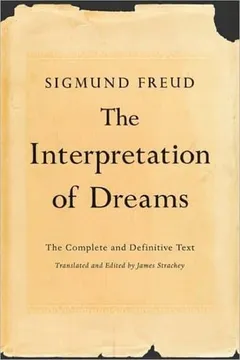
Read these essays alongside Freud’s Interpretation of Dreams to compare two influential approaches to finding hidden structure beneath surface phenomena, Freud’s psychoanalytic reading of individual dream content against Lévi-Strauss’s structural reading of collective cultural symbolism and myth.
Questions it raises
- Does Lévi-Strauss’s borrowing of structural linguistics’ method for anthropology successfully illuminate genuine patterns in kinship, myth and ritual, or does applying a method developed for language risk imposing artificial structure onto cultural phenomena that may not actually share language’s specific systematic properties?
- How persuasive is the treatment of marriage rules as exchange systems generated by the incest taboo? Does this structural account adequately explain the genuine diversity of actual kinship systems across different cultures, or does it flatten meaningful variation into a single underlying pattern?
- What does reading myths as sets of transformations across seemingly unrelated cultures accomplish that a more culturally specific, contextual analysis of individual myths could not achieve? Does this comparative structural method reveal genuine shared human cognitive patterns, or does it risk decontextualizing myths from their specific cultural meanings?
- How does comparing the shaman’s cure to psychoanalysis change your understanding of both practices? Does this structural parallel suggest something genuine about universal features of psychological healing, or does it risk imposing a specifically Western psychoanalytic framework onto a different cultural tradition?
- Given that these essays span over a decade of Lévi-Strauss’s developing thought, how consistent is the structural method across them? Does encountering the collection reveal genuine methodological development, or does the underlying approach remain essentially stable across the different specific applications?
- What does structural anthropology’s considerable subsequent influence across multiple disciplines, well beyond anthropology itself, suggest about the actual explanatory power of treating cultural phenomena as systems of relations rather than collections of things? Does this influence reflect genuine insight or a compelling but ultimately limited analytical framework?
Highlights
Lévi-Strauss proposes that kinship, myth, ritual and art can be analyzed like language itself, as systems of relations among elements rather than as collections of separate things, applying structural linguistics' central method to anthropology's traditional subject matter.
Paraphrase of the collection's central methodological proposal, borrowing structural linguistics' approach for anthropological analysis.
He treats marriage rules as systems of exchange, women moving between kinship groups according to an underlying structural logic, reading the incest taboo not as arbitrary custom but as the specific mechanism generating culture's foundational kinship structures and alliances between groups.
Paraphrase of the essays' treatment of kinship and marriage as structured exchange systems, a foundational application of structural method.
Lévi-Strauss analyzes individual myths as sets of transformations, readable as variations working through the same underlying structural oppositions across seemingly unrelated cultures, and compares the shaman's cure to psychoanalysis, both giving a patient's suffering an ordered symbolic narrative.
Paraphrase of the essays on myth and the shaman, extending structural method into narrative pattern and psychological healing.