Fate and freedom
Whether we choose our lives or they are chosen for us.
89 works · Refine in the browser → · Marked passages →
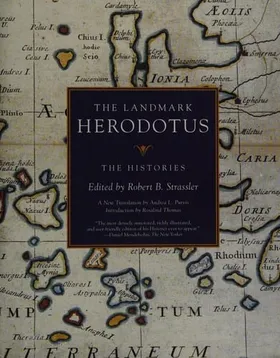
Do we choose our lives, or are they chosen for us? The Greeks answered with stories in which both are true at once. Oedipus does everything a free man could do to avoid his fate and walks straight into it. Achilles is told he can go home and live long or stay and die famous, and the whole Iliad is the space between hearing the choice and making it. Herodotus fills nine books with oracles that come true in ways nobody expected.
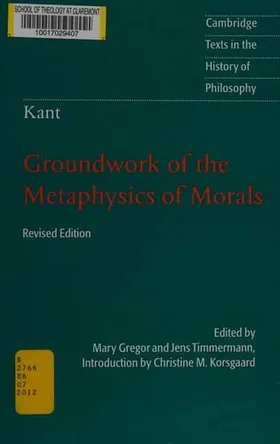
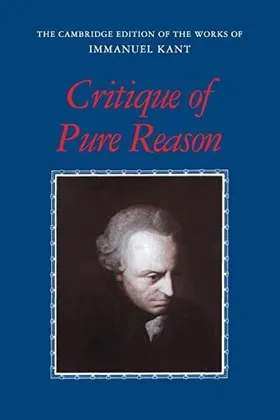
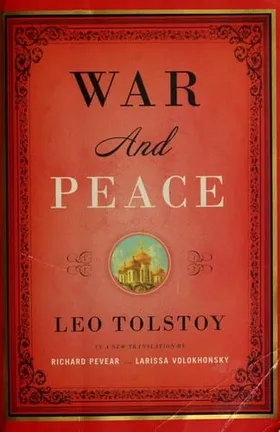
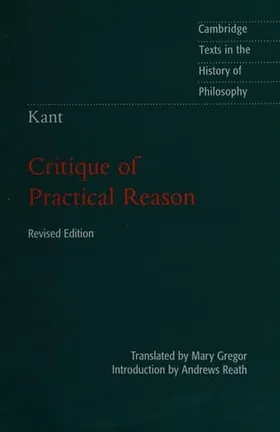
The question changes shape but never goes away. For Augustine it becomes grace and free will, the argument that split the Western church for a thousand years. For Machiavelli it is fortune and virtù, the river and the dikes. For Hobbes freedom is nothing more than the absence of chains, and for Kant it is the one thing that cannot be explained by any chain of causes and the ground of all morality. Tolstoy ends War and Peace with a long essay arguing that the freedom we feel is an illusion produced by not knowing enough of the causes.
Start with Sophocles, who poses the question in its purest form, and read Kant last, since he is the one who tries hardest to answer it.