Sesame and Lilies
by John Ruskin
Assigned by 1 of the 9 reading lists
Two lectures given in Manchester in 1864 and published the next year, with a third added in 1871. Of Kings' Treasuries argues that books are the company of the best minds and that the English do not read, valuing wealth and advancement over education. Of Queens' Gardens describes the separate powers of men and women, assigning women the guardianship of the home and of moral order, and calls for girls to be educated to fit them for it. Enormously popular as a school prize, it became a target for later feminist criticism.
We recommendSesame and LiliesYale University Press, 2002Deborah Epstein Nord's edition of the two original lectures with four essays on the book's reception and its place in Victorian ideas of womanhood.
As an Amazon Associate, The Great Books earns from qualifying purchases. Bookshop.org links also support this site. How this works.
- Written
- 1865
- Form
- Essay
- Language
- English
- Length
- Short · 120 ppunder 120 pages
- Difficulty
- Moderate2 of 5 for a first-year reader
Yale University Press edition
Buy this edition: Sesame and Lilies, opens in a new tabBookshop.org: Sesame and Lilies, opens in a new tab
Why it's on the list
Of Kings' Treasuries argues that books are the company of the best minds and that the English do not read, valuing wealth and advancement over education, a considerable indictment of Victorian materialism delivered through reading's neglected transformative power. Of Queens' Gardens describes separate powers of men and women, assigning women guardianship of the home and moral order, a specifically Victorian gender ideology given unusually eloquent and influential expression rather than merely conventional assertion. Calling for girls to be educated to fit them for domestic moral guardianship connects Ruskin's educational argument to his broader theory of separate gendered spheres, treating female education's content as determined by assigned social role rather than any shared standard. The lectures' enormous popularity as a school prize for generations, followed by their becoming a target for later feminist criticism, traces a dramatic reversal in reception, from celebrated moral instruction to a primary document of the gender ideology it helped popularize.
Key themes
- Education
- Of Kings' Treasuries argues that books are the company of the best minds and that the English do not read, valuing wealth and advancement over education, a considerable indictment of Victorian materialism delivered through reading's neglected transformative power.
- Women and men
- Of Queens' Gardens describes separate powers of men and women, assigning women guardianship of the home and moral order, a specifically Victorian gender ideology given unusually eloquent and influential literary expression rather than merely conventional assertion.
- Virtue and character
- Calling for girls to be educated specifically to fit them for domestic moral guardianship connects Ruskin's educational argument directly to his broader theory of separate gendered spheres and women's assigned moral responsibility within the home.
- Society and the state
- The lectures' enormous popularity as a school prize for generations, followed by their becoming a central target for later feminist criticism, traces a genuinely dramatic reversal in critical reception across changing social attitudes toward gender.
Which edition to read
Our pick
Sesame and Lilies
Yale University Press, 2002
Deborah Epstein Nord's edition of the two original lectures with four essays on the book's reception and its place in Victorian ideas of womanhood.
Amazon: the Yale University Press edition, opens in a new tabBookshop.org: the Yale University Press edition, opens in a new tab
Overview
About a hundred and twenty pages, two lectures by John Ruskin given in Manchester in 1864 and published the next year, with a third added in 1871. Of Kings’ Treasuries argues that books are the company of the best minds and that the English do not read, valuing wealth and advancement over education.
Of Queens’ Gardens describes the separate powers of men and women, assigning women the guardianship of the home and of moral order, and calls for girls to be educated to fit them for it. Enormously popular as a school prize, it became a target for later feminist criticism.
What happens
Books as the company of the best minds. Of Kings’ Treasuries opens by arguing that books grant readers access to the company of the best minds, a considerable claim about reading’s transformative and elevating power.
The English do not read. Ruskin argues that the English do not read, indicting his own contemporaries for valuing wealth and advancement over the genuine education proper reading could provide them.
Indicting Victorian materialism. The first lecture extends into a considerable indictment of Victorian materialism, treating neglected reading as symptomatic of a broader cultural failure to prioritize genuine intellectual and moral cultivation over commercial success.
Separate powers of men and women. Of Queens’ Gardens describes the separate powers of men and women, establishing a gendered division of social and moral responsibility that will structure the lecture’s subsequent argument about female education.
Women’s guardianship of the home. Ruskin assigns women the guardianship of the home and of moral order, positioning domestic and ethical stewardship as women’s proper and defining social role within Victorian society.
Educating girls for their role. Ruskin calls for girls to be educated specifically to fit them for this domestic and moral guardianship, connecting his educational argument directly to his broader theory of separate gendered spheres.
How to read it
Read Of Kings’ Treasuries’s argument that books are the company of the best minds and that the English do not read as a considerable indictment of Victorian materialism, delivered specifically through the lens of reading’s neglected transformative power.
Pay close attention to how Of Queens’ Gardens describes separate powers of men and women, assigning women guardianship of the home and moral order, a specifically Victorian gender ideology given unusually eloquent and influential literary expression.
Notice how calling for girls to be educated specifically to fit them for domestic moral guardianship connects Ruskin’s educational argument directly to his broader theory of separate gendered spheres, treating female education’s content as determined by assigned social role.
Consider the lectures’ enormous popularity as a school prize for generations, followed by their becoming a central target for later feminist criticism, a genuinely dramatic reversal in critical reception across changing social attitudes toward gender.
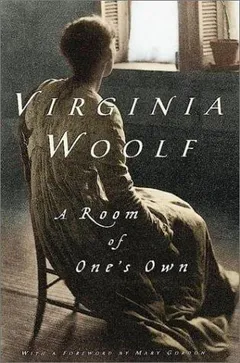
Read these lectures alongside Woolf’s own Room of One’s Own to see how radically different generations of writers addressed women’s education and social position, Ruskin’s Victorian domestic ideal against Woolf’s later demand for independent intellectual space.
Questions it raises
- Does Of Kings’ Treasuries’s argument that books are the company of the best minds successfully diagnose a genuine Victorian cultural failure, or does this critique romanticize reading’s transformative power beyond what any specific practice of literacy could actually deliver?
- How should a contemporary reader approach Of Queens’ Gardens’s assignment of separate powers to men and women? Does this framework’s historical influence make it worth studying seriously, even as its specific gender assumptions have been largely rejected by subsequent generations?
- What does calling for girls to be educated specifically to fit them for domestic guardianship reveal about the relationship between educational content and assumed social role throughout Ruskin’s broader argument? Does this connection undermine his stated commitment to genuine education’s value?
- How does the lectures’ considerable popularity as a school prize for generations complicate understanding their actual historical influence? Does widespread institutional endorsement suggest genuine persuasive power, or does it primarily reflect how thoroughly these views matched prevailing Victorian assumptions?
- Given that this work became a central target for later feminist criticism, what does this reversal suggest about how literary and cultural reputation can shift dramatically as social attitudes toward the underlying assumptions a text expresses eventually change?
- What does the considerable gap between Of Kings’ Treasuries’s argument for universal access to great minds through reading and Of Queens’ Gardens’s more restrictive vision of appropriate female education suggest about tensions within Ruskin’s own broader intellectual and social vision?
Highlights
Of Kings' Treasuries argues that books are the company of the best minds and that the English do not read, valuing wealth and advancement over education, a considerable indictment of Victorian materialism delivered through reading's neglected transformative power.
Paraphrase of the first lecture's central argument, books as access to great minds squandered by materialist priorities.
Of Queens' Gardens describes the separate powers of men and women, assigning women the guardianship of the home and of moral order, and calls for girls to be educated to fit them for it, a specifically Victorian gender ideology given eloquent expression.
Paraphrase of the second lecture's central argument, women's domestic and moral guardianship as the basis for female education.
Enormously popular as a school prize for generations, the lectures became a target for later feminist criticism, a genuinely dramatic reversal in critical reception from celebrated moral instruction to primary document of the gender ideology it helped popularize.
Paraphrase of the work's significant shifting historical reception, from Victorian school prize to feminist critical target.