God and faith
Belief, doubt, revelation and the search for the divine.
239 works · Refine in the browser → · Marked passages →
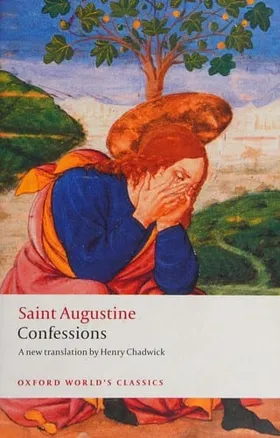
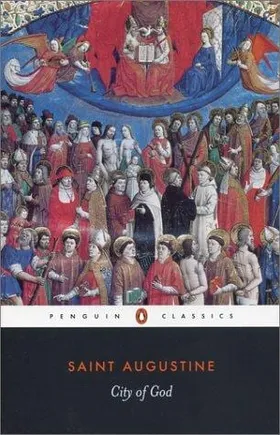
This is the largest shelf on the site, because for two thousand years there was no question that did not touch it. The Greeks had gods but no theology; Plato’s Euthyphro asks whether the good is good because the gods love it or loved because it is good, and nobody has improved on the question. The Hebrew Bible introduces one God who makes promises and keeps them, and the Gospels a God who dies. Augustine spends the Confessions working out how a mind made for God could have spent so long refusing him.
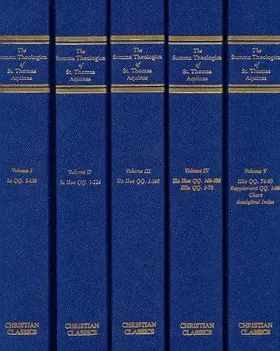
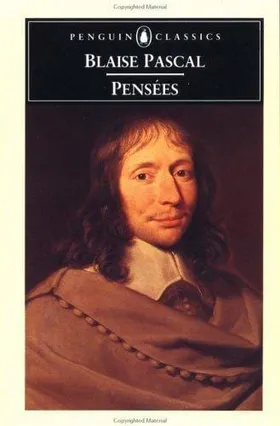
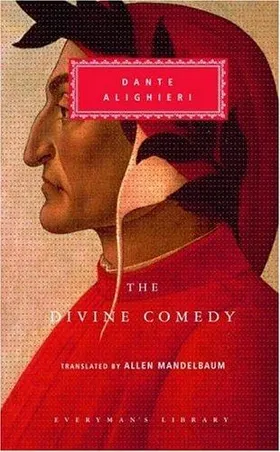
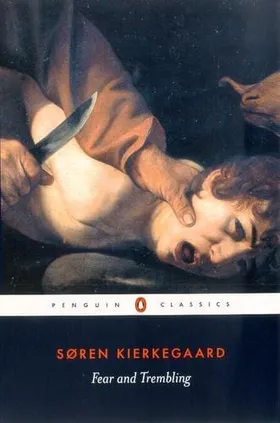
The medieval synthesis in Anselm, Aquinas and Dante treats faith and reason as two roads to the same place. The moderns pull them apart. Descartes proves God exists in order to trust his own senses. Pascal, who watched the proofs fail, offers a wager instead. Hume takes the proofs apart one by one. Kierkegaard says faith begins where reason ends and that Abraham on the mountain is its only honest picture. Nietzsche announces the death and asks what it will cost.
Students meet the theme first through Genesis and the Confessions, and last through Dostoevsky, whose Grand Inquisitor is the argument against God that a believer wrote.