Guilt and redemption
Wrongdoing, conscience and the possibility of being forgiven.
90 works · Refine in the browser → · Marked passages →
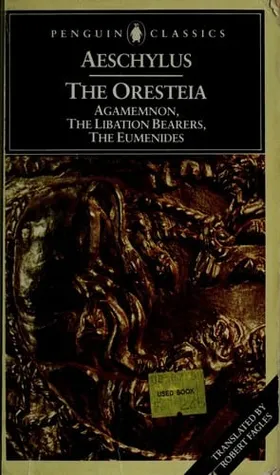
Greek tragedy has guilt without sin: Oedipus is polluted by acts he did not intend, and the pollution is real and has to be carried out of the city. The Oresteia is the story of a family whose every murder is also an act of justice, and it ends with a court and a vote, guilt made civic. Aristotle explained why we watch this and called the feeling it purges pity and fear.
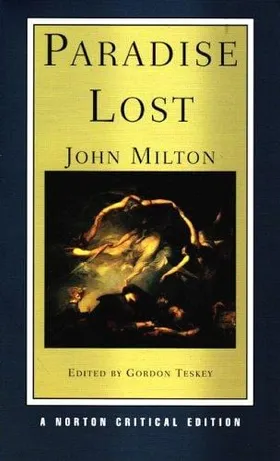
The Bible added sin, a wrong against God that only God can forgive, and the whole medieval shelf is built on it. Augustine’s Confessions is the first book in which a man examines his own guilt from inside and finds it in a stolen pear. Dante’s Purgatory is a mountain of it, climbed in stages. Hamlet cannot kill a praying man for fear of sending him to heaven. Milton’s Satan says which way I fly is hell, myself am hell, and that is the theme in one line.
The novel takes the confession out of the church. Dostoevsky wrote two of the greatest: Raskolnikov, who commits a murder to prove he is beyond guilt, and the Karamazovs, all of whom wanted their father dead. Hawthorne’s Scarlet Letter is guilt made visible. Coleridge’s Mariner is redeemed by blessing water snakes. The Tempest ends with a magician forgiving everyone and asking to be forgiven.