Hermann and Dorothea
by Johann Wolfgang von Goethe · Hermann und Dorothea
Assigned by 1 of the 9 reading lists
A short idyllic epic in nine cantos of hexameters, named for the Muses. In a small German town on the Rhine, refugees fleeing the French revolutionary armies pass through, and Hermann, the son of a prosperous innkeeper, brings supplies to them and falls in love with Dorothea, a young woman caring for the others. His father wants a richer match; a pastor and an apothecary go to make inquiries among the refugees. Dorothea comes home with Hermann as a servant, and the misunderstanding is resolved in a betrothal.
We recommendHermann and Dorothea, translated by Ellen FrothinghamDover, 2011A nineteenth-century verse translation, reprinted; the poem has few modern English versions.
As an Amazon Associate, The Great Books earns from qualifying purchases. Bookshop.org links also support this site. How this works.
- Written
- 1797
- Form
- Epic poetry
- Language
- German
- Length
- Short · 90 ppunder 120 pages
- Difficulty
- Moderate2 of 5 for a first-year reader
Ellen Frothingham translation
Find this edition: Hermann and Dorothea, opens in a new tabBookshop.org: Hermann and Dorothea, opens in a new tab
Why it's on the list
Goethe borrowed epic's grand ancient form, nine cantos of classical hexameter, and used it to dignify a story genuinely small in scale, a prosperous innkeeper's son falling in love with a refugee he meets handing out bread and clothing to displaced families fleeing the chaos of the French Revolutionary Wars. The formal mismatch is deliberate and is the poem's actual argument: Hermann's quiet decision to marry a penniless stranger against his father's wishes, and Dorothea's own dignity managing the refugees around her, are treated with the same weighty hexameter Homer once gave Achilles' wrath, insisting ordinary domestic courage deserves epic seriousness just as much as battlefield heroism. Written while French revolutionary armies were an immediate reality for German-speaking Europe rather than distant memory, the poem's small-town setting and private resolution function as a kind of deliberate refusal, insisting ordinary life and love continue to matter even while vast historical forces reshape the world beyond a quiet Rhine town's borders.
Key themes
- Home and exile
- The refugees fleeing the French revolutionary armies who pass through Hermann's small Rhine town give the poem its central situation, and Dorothea's own displacement, caring for others despite having lost her own home, frames her arrival into Hermann's family as itself a kind of homecoming.
- Love and desire
- Hermann's love for Dorothea develops through watching her competence and dignity managing displaced refugees rather than through conventional courtship, and his quiet determination to marry her against his father's preference for a wealthier match drives the poem's central domestic drama.
- Family and inheritance
- Hermann's father's preference for a richer match, and the pastor and apothecary's mission to investigate Dorothea's actual character and background among the refugees, stage the poem's central tension between parental expectation and a son's own independent romantic judgment.
- War
- The French Revolutionary Wars remain constantly present at the poem's margins, the actual cause of the refugee crisis that brings Hermann and Dorothea together, even though the poem itself resolutely focuses on private, domestic resolution rather than directly narrating the war's larger military and political events.
Which translation to read
Our pick
Hermann and Dorothea, translated by Ellen Frothingham
Dover, 2011
A nineteenth-century verse translation, reprinted; the poem has few modern English versions.
Amazon: the Ellen Frothingham translation, opens in a new tabBookshop.org: the Ellen Frothingham translation, opens in a new tab
Overview
About ninety pages, a short epic poem by Johann Wolfgang von Goethe, composed in nine cantos of classical hexameter, each canto named for one of the nine Muses, published in 1797 at a moment when the French Revolutionary Wars were producing genuine, immediate disruption across German-speaking Europe rather than remaining a distant historical concern. Goethe deliberately deploys epic’s traditionally grand ancient form, the hexameter line historically associated with Homer and Virgil, to narrate a story genuinely modest in scale, a prosperous small-town innkeeper’s son falling in love with a refugee he encounters while distributing food and clothing to displaced families fleeing the war’s advancing chaos.
This formal choice, epic dignity applied to domestic, private subject matter, functions as the poem’s own implicit argument: ordinary courage, ordinary love and ordinary family conflict, Goethe suggests through his chosen form, deserve the same serious literary attention traditionally reserved for battlefield heroism and grand historical events, even, or perhaps especially, at a moment when vast historical forces were reshaping the world immediately beyond the poem’s quiet Rhine town setting.
What happens
Refugees pass through the town. The poem opens with families displaced by the advancing French revolutionary armies passing through a small German town on the Rhine, prompting the town’s more prosperous residents, including Hermann’s family, to organize assistance for the refugees’ immediate material needs.
Hermann meets Dorothea. Hermann, the son of the town’s prosperous innkeeper, brings a cart of provisions and clothing out to the refugees and there notices Dorothea, a young woman managing and caring for the displaced families around her with a capability and dignity that immediately impresses him, an introduction that establishes her character through demonstrated competence rather than through conventional physical or romantic description.
The father’s objection. Returning home genuinely smitten, Hermann faces his father’s clear preference for a wealthier, more socially advantageous match than a penniless refugee could provide, a paternal objection that sets up the poem’s central family tension between parental expectation and Hermann’s own developing romantic conviction.
Investigation among the refugees. Hermann’s mother, considerably more sympathetic to her son’s actual feelings than his father, arranges for the town pastor and the local apothecary to travel out among the refugees and make careful, discreet inquiries into Dorothea’s actual character, family background and reputation, a practical, socially appropriate method of investigation that will ultimately vindicate Hermann’s own romantic judgment.
The misunderstanding. When Dorothea agrees to return to the town with Hermann, she understands the arrangement to be taking a position as a household servant rather than as a prospective bride, a misunderstanding Hermann himself allows to persist for a time out of his own shyness and uncertainty about how to properly declare his actual intentions toward her.
Resolution in betrothal. As the accumulated evidence from the pastor’s and apothecary’s inquiries confirms Dorothea’s genuine worth and good character, and as the underlying misunderstanding about her actual role finally becomes clear, the poem resolves into an open, mutually acknowledged betrothal between Hermann and Dorothea, a modest, private domestic resolution achieved against the backdrop of considerably larger historical upheaval the poem keeps consistently at its margins rather than at its center.
How to read it
Read the poem’s deliberate use of classical hexameter for genuinely modest domestic subject matter as its own implicit argument about what deserves serious literary and epic attention, and consider how this formal choice shapes your own sense of the story’s actual stakes and significance relative to a more conventionally modest prose treatment of the same material.
Notice how Dorothea’s character is established almost entirely through her demonstrated competence managing the refugee crisis rather than through conventional romantic or physical description, a characterization method that makes her practical capability, rather than simple beauty or charm, the actual basis for Hermann’s attraction and the poem’s broader endorsement of the match.
Pay attention to how the poem keeps the French Revolutionary Wars constantly present at its margins, the actual cause of the refugee crisis that brings Hermann and Dorothea together, while resolutely focusing its main narrative attention on private, domestic resolution rather than directly narrating the war’s larger military and political events, a deliberate structural choice worth considering directly.
Consider the investigation the pastor and apothecary conduct among the refugees as itself a meaningful narrative device, a socially appropriate, practical method for resolving the father’s legitimate concern about Dorothea’s actual background without requiring direct confrontation between Hermann and his father.
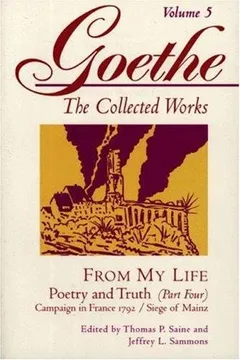
Read this poem alongside Goethe’s own autobiography, Poetry and Truth, to see how directly his personal experience of disrupted courtship and family expectation, themes recurring throughout his own life, inform even a poem explicitly set within a fictional small town rather than drawing directly on his own biography.
Questions it raises
- Does applying epic’s traditionally grand classical form to genuinely modest domestic subject matter successfully dignify ordinary life and ordinary courage, or does the formal mismatch between grand hexameter and small-scale story ultimately feel more like an interesting experiment than a fully persuasive artistic choice?
- What does establishing Dorothea’s character primarily through her demonstrated practical competence, rather than through conventional romantic description, suggest about what the poem actually values in a potential marriage partner, compared to more conventional epic or romantic treatments of courtship?
- How does keeping the French Revolutionary Wars constantly present at the poem’s margins, without directly narrating its larger events, shape the poem’s actual relationship to the genuine historical crisis it depends on for its central situation? Does this structural choice feel like a deliberate artistic statement or an evasion of the war’s actual seriousness?
- What does the resolution of Hermann and Dorothea’s misunderstanding through practical investigation, rather than through direct emotional confrontation between Hermann and his father, suggest about how the poem understands the proper relationship between individual romantic feeling and family and social obligation?
- Given that Goethe wrote and published this poem during a period of genuine, immediate historical crisis for German-speaking Europe, what does the poem’s choice to focus on private domestic resolution rather than direct political or military engagement suggest about literature’s proper relationship to contemporary historical upheaval?
- How does this poem’s treatment of displaced refugees, presented with genuine sympathy but ultimately serving as the occasion for a domestic love story, compare to how later literature has treated similar situations of displacement and crisis? Does centering Hermann and Dorothea’s romance risk subordinating the refugees’ own genuine suffering to a comparatively minor domestic concern?
Highlights
Hermann, the prosperous innkeeper's son, brings a cart loaded with clothing and provisions out to the refugees passing through the town, and among them notices Dorothea, a young woman managing and caring for the displaced families around her with a competence and dignity that immediately strikes him.
Paraphrase of Hermann's introduction to Dorothea, establishing her character through her capable management of the refugee crisis rather than through conventional romantic description.
Hermann's father makes clear he wants a richer match for his son than a penniless refugee could provide, prompting Hermann's mother, more sympathetic to her son's actual feelings, to send the pastor and the apothecary out among the refugees to make careful, discreet inquiries into Dorothea's actual character and background.
Paraphrase of the poem's central family conflict, the father's preference for wealth against the son's own romantic judgment, resolved through investigation rather than direct confrontation.
Dorothea returns to the town with Hermann under the understanding that she is being taken on as a household servant, a misunderstanding Hermann allows to stand out of his own shyness and uncertainty about how to actually declare his intentions, until the accumulated evidence of her genuine worth finally resolves the confusion into an open betrothal.
Paraphrase of the poem's central romantic misunderstanding and its eventual resolution into betrothal.