The Saga of Burnt Njal
by Anonymous · Brennu-Njáls saga
Assigned by 1 of the 9 reading lists
The longest of the Icelandic family sagas, written in prose around 1280 about events of about 960 to 1020. Its first half follows the friendship of the wise lawyer Njal and the warrior Gunnar of Hlidarendi, whose wife Hallgerd's feud with Njal's wife Bergthora runs through a chain of killings and settlements until Gunnar is outlawed and killed at his home. In the second half Njal's sons kill their foster-brother Hoskuld; the resulting suit at the Althing collapses into violence, Njal and his family are burned alive in their house by Flosi, and Kari pursues the burners across Iceland and abroad until the feud ends in reconciliation.
We recommendNjal's Saga, translated by Robert CookPenguin Classics, 2001The most recent scholarly translation, with maps, genealogies and notes on the law.
As an Amazon Associate, The Great Books earns from qualifying purchases. Bookshop.org links also support this site. How this works.
- Written
- c. 1280
- Era
- Medieval
- Form
- Epic poetry
- Language
- Other
- Length
- Long · 350 pp300 to 700 pages
- Difficulty
- Demanding3 of 5 for a first-year reader
Why it's on the list
The saga's structural pivot, from Njal and Gunnar's friendship surviving their wives' feud in the first half to Njal's own family destroyed by burning in the second, stages how a single unresolved grievance, left improperly settled, eventually consumes even the wisest legal mind Iceland possessed. Gunnar's outlawry and death, following his own refusal to leave Iceland when the law required it, demonstrates how personal attachment to home could override even a hero's clear understanding of his own legal and practical situation, a specifically Icelandic tragic pattern distinct from other heroic traditions. The Althing's collapse into violence after Njal's sons kill their foster-brother Hoskuld reveals law's genuine fragility as an alternative to blood feud, working only as long as all parties actually accept its verdicts rather than resorting to force when judgment disappoints them. Kari's pursuit of the burners across Iceland and abroad until the feud ends in reconciliation offers one of medieval literature's most extended meditations on when and how cycles of vengeance can actually be brought to a genuine close rather than simply exhausting themselves.
Key themes
- Justice
- The Althing's collapse into violence after Njal's sons kill their foster-brother Hoskuld reveals law's genuine fragility as an alternative to blood feud, working only as long as all parties actually accept its verdicts rather than resorting to force.
- Family and inheritance
- Hallgerd's feud with Njal's wife Bergthora runs through a chain of killings and settlements, showing how conflict between women married into allied households could destabilize even a friendship as strong as Njal and Gunnar's own.
- Fate and freedom
- Gunnar's outlawry and death, following his own refusal to leave Iceland when the law required it, demonstrates how personal attachment to home could override even a hero's clear understanding of his own legal and practical situation.
- Heroism and honour
- Kari's pursuit of the burners across Iceland and abroad until the feud ends in reconciliation offers one of medieval literature's most extended meditations on when and how cycles of vengeance can actually be brought to a genuine close.
Which translation to read
Our pick
Njal's Saga, translated by Robert Cook
Penguin Classics, 2001
The most recent scholarly translation, with maps, genealogies and notes on the law.
Amazon: the Robert Cook translation, opens in a new tabBookshop.org: the Robert Cook translation, opens in a new tab
Overview
About three hundred and fifty pages, the longest of the Icelandic family sagas, written in prose around 1280 about events of about 960 to 1020. Its first half follows the friendship of the wise lawyer Njal and the warrior Gunnar of Hlidarendi, whose wife Hallgerd’s feud with Njal’s wife Bergthora runs through a chain of killings and settlements until Gunnar is outlawed and killed at his home.
In the second half Njal’s sons kill their foster-brother Hoskuld; the resulting suit at the Althing collapses into violence, Njal and his family are burned alive in their house by Flosi, and Kari pursues the burners across Iceland and abroad until the feud ends in reconciliation.
What happens
Njal and Gunnar’s friendship. The wise lawyer Njal and the warrior Gunnar of Hlidarendi maintain a close friendship throughout the saga’s first half, their steady loyalty to each other persisting even as tensions build around them.
Hallgerd and Bergthora’s feud. Hallgerd, Gunnar’s wife, and Bergthora, Njal’s wife, feud with each other, a conflict running through a chain of killings and settlements that repeatedly tests the two men’s own friendship without destroying it.
Gunnar’s outlawry and death. Gunnar is outlawed under Icelandic law but refuses to leave Iceland as required, his attachment to his own home overriding clear knowledge of the danger, and he is eventually killed there.
Njal’s sons kill Hoskuld. In the saga’s second half, Njal’s sons kill their foster-brother Hoskuld, an act of betrayal within the family that sets in motion the legal and violent conflict that will consume Njal’s own household.
The Althing’s collapse into violence. The resulting legal suit at the Althing, Iceland’s assembly, collapses into open violence when the proceedings fail to satisfy the parties, revealing law’s fragility as an alternative to blood feud.
The burning and Kari’s pursuit. Njal and his family are burned alive in their house by Flosi, and Kari, a survivor, pursues the burners across Iceland and abroad in an extended quest that eventually ends the feud in reconciliation.
How to read it
Read the saga’s structural pivot, from Njal and Gunnar’s friendship surviving their wives’ feud to Njal’s own family destroyed by burning, as showing how a single unresolved grievance, left improperly settled, can eventually consume even the wisest legal mind Iceland possessed.
Pay close attention to Gunnar’s outlawry and death, following his refusal to leave Iceland when the law required it; this demonstrates how personal attachment to home could override even a hero’s clear understanding of his own legal and practical situation.
Notice how the Althing’s collapse into violence after Njal’s sons kill Hoskuld reveals law’s genuine fragility as an alternative to blood feud, working only as long as all parties actually accept its verdicts rather than resorting to force when judgment disappoints them.
Consider Kari’s pursuit of the burners across Iceland and abroad until the feud ends in reconciliation as one of medieval literature’s most extended meditations on when and how cycles of vengeance can actually be brought to a genuine close rather than simply exhausting themselves.
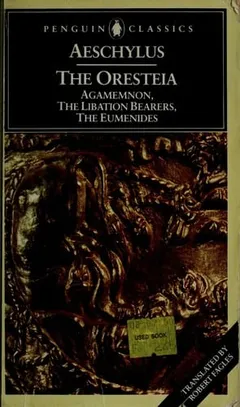
Read this saga alongside Aeschylus’s Oresteia to compare two major literary treatments of feud, legal process and the difficult transition from cycles of private vengeance toward some form of communal, institutional resolution within very different cultural traditions.
Questions it raises
- Does Gunnar’s refusal to leave Iceland despite his outlawry represent admirable attachment to home and identity, or does the saga ultimately present this choice as a fatal failure of practical judgment that dooms him unnecessarily?
- How does the saga’s structural shift, from Gunnar’s personal tragedy in the first half to the Althing’s institutional collapse in the second, shape your understanding of what actually causes catastrophic violence within this legal and social system?
- What does the burning of Njal’s family, despite his own reputation for wisdom and legal skill, suggest about the limits of individual prudence within a feuding society? Can wisdom alone protect a household once legal process has genuinely broken down?
- How persuasive is the saga’s eventual movement toward reconciliation through Kari’s extended pursuit? Does this resolution suggest genuine healing is possible after catastrophic feud, or does it merely exhaust the violence without resolving its underlying causes?
- Given that this saga was written around 1280 about events roughly three centuries earlier, what does this considerable gap between the narrated events and the saga’s actual composition suggest about how communal memory shapes historical narrative over generations?
- What does the specific role of women, Hallgerd and Bergthora’s feud driving much of the first half’s conflict, suggest about gender and agency within this saga’s world? Does their conflict function as genuine cause or merely occasion for the men’s own violence?
Highlights
Njal, a wise lawyer, and Gunnar of Hlidarendi, a formidable warrior, maintain a close friendship even as their wives Bergthora and Hallgerd feud with each other, a chain of killings and settlements running alongside the two men's own steady loyalty.
Paraphrase of the saga's first-half central relationship, friendship persisting despite escalating household conflict.
Gunnar is outlawed and killed at his home after refusing to leave Iceland as the law required, his attachment to his own land overriding clear knowledge of the danger this refusal would bring upon him.
Paraphrase of the saga's first climactic death, Gunnar's fatal attachment to home over legal safety.
Njal and his family are burned alive in their house by Flosi after the Althing's legal proceedings collapse into violence, and Kari pursues the burners across Iceland and abroad until the long feud finally ends in reconciliation.
Paraphrase of the saga's second-half climax, the burning and the extended pursuit that eventually resolves it.