Appeal Concerning the Priests
by Felipe Guamán Poma de Ayala
Assigned by 1 of the 9 reading lists
An indigenous Andean nobleman's protest against the Spanish clergy of colonial Peru, part of the enormous illustrated letter to Philip III that Guaman Poma spent decades writing and that was never delivered. Priest by priest and parish by parish he catalogues what the doctrineros actually do: extort labour and cloth, beat and imprison Andeans who complain, keep women and father children, sell sacraments, and seize the goods of the dead. The argument is not against Christianity, which Guaman Poma professes, but that these men make it impossible, and that the king would stop it if he knew.
We recommendThe First New Chronicle and Good Government, translated by Roland HamiltonUniversity of Texas Press, 2009An abridged English translation of the manuscript from which the appeal is taken, with the drawings.
As an Amazon Associate, The Great Books earns from qualifying purchases. Bookshop.org links also support this site. How this works.
- Written
- c. 1615
- Language
- Spanish
- Length
- Short · 30 ppunder 120 pages
- Difficulty
- Moderate2 of 5 for a first-year reader
Why it's on the list
Guaman Poma spent decades composing an enormous illustrated letter to King Philip III, a document that was never delivered and lay unknown in the Danish royal library until its rediscovery in 1908, and this appeal excerpts its most sustained indictment, a parish-by-parish, priest-by-priest catalogue of what colonial clergy actually did to the Andean communities under their care. Guaman Poma names specific abuses with prosecutorial precision, priests extorting unpaid labor and cloth, beating and imprisoning Andeans who complained, keeping women and fathering children, selling sacraments, seizing the property of the dead, refusing the simple defense that these were isolated bad actors within an otherwise sound system. What makes the appeal genuinely remarkable is its author's own position: an indigenous Andean nobleman writing as a sincere, practicing Christian who insists the problem is not the faith itself but the men entrusted to administer it, and who addresses the Spanish king directly on the premise that Philip would stop the abuse himself if only he actually knew what was happening in his name across the ocean.
Key themes
- Power and authority
- Guaman Poma catalogues colonial clergy's actual daily conduct, priest by priest and parish by parish, exposing how thoroughly unchecked local authority over Andean communities enabled systematic extortion and abuse that the distant Spanish crown remained genuinely unaware of.
- God and faith
- Guaman Poma writes as a sincere, practicing Christian rather than a critic of the faith itself, insisting throughout that the problem lies specifically with corrupt clergy who make genuine Christian practice impossible for the Andean communities they are supposed to serve rather than with Christianity itself.
- Justice
- The appeal catalogues specific, named abuses, extorted labor, beatings, sexual exploitation, seized property, with prosecutorial precision, building a cumulative case that the colonial clerical system as actually practiced violates both Christian teaching and basic justice toward the Andean population.
- Evil and suffering
- Guaman Poma's parish-by-parish catalogue of extortion, violence and sexual exploitation documents suffering inflicted specifically by men entrusted with spiritual authority, making the appeal a sustained record of harm committed under the cover of religious office rather than despite it.
Which translation to read
Our pick
The First New Chronicle and Good Government, translated by Roland Hamilton
University of Texas Press, 2009
An abridged English translation of the manuscript from which the appeal is taken, with the drawings.
Amazon: the Roland Hamilton translation, opens in a new tabBookshop.org: the Roland Hamilton translation, opens in a new tab
Overview
About thirty pages, an excerpted appeal from the Andean nobleman Felipe Guaman Poma de Ayala’s enormous illustrated letter to King Philip III of Spain, composed over decades in the early seventeenth century and completed around 1615, a document of roughly twelve hundred pages combining written argument with hundreds of Guaman Poma’s own drawings that was never actually delivered to the king and lay unknown in the Danish royal library until its rediscovery in 1908.
This excerpt focuses on Guaman Poma’s most sustained and specific indictment within the larger work, a parish-by-parish, priest-by-priest catalogue documenting what colonial clergy in Peru actually did to the Andean communities placed under their spiritual authority, written by an author who identifies himself throughout as a sincere, practicing Christian rather than an opponent of the faith he sees the clergy themselves betraying.
What happens
The catalogue of abuses. Guaman Poma proceeds systematically through the colonial clergy’s actual conduct, documenting specific, named patterns of abuse, priests extorting unpaid labor and cloth from their Andean parishioners, beating and imprisoning those who dare to complain, keeping women and fathering children despite their vows, selling the sacraments for personal profit, and seizing the property of the recently dead.
Rejecting the isolated-incident defense. By cataloguing these abuses parish by parish and priest by priest rather than presenting isolated anecdotes, Guaman Poma builds a cumulative case that these were not exceptions committed by a few bad individuals but a systematic pattern enabled by the colonial clerical system’s actual structure and the distance of any effective royal oversight.
Distinguishing faith from its administrators. Throughout the appeal, Guaman Poma insists that his complaint targets specific corrupt men rather than Christianity itself, a faith he professes sincerely and repeatedly, arguing that these priests’ actual conduct makes genuine Christian community life and practice impossible for the Andeans they are supposed to serve and instruct.
The direct appeal to the king. Guaman Poma addresses King Philip III directly, building his argument on the premise that the abuses he documents continue specifically because the distant Spanish crown remains genuinely unaware of them, and that presenting the king with accurate, detailed information would itself be sufficient to prompt royal action against the offending clergy.
A letter never delivered. Despite the decades of labor and the considerable rhetorical care Guaman Poma invested in making his case persuasive to its intended royal reader, the completed letter never reached Philip III or any subsequent Spanish monarch, remaining unknown to history until a scholar rediscovered the manuscript in Copenhagen’s royal library in 1908.
How to read it
Read the appeal’s parish-by-parish cataloguing structure as a deliberate rhetorical strategy rather than simple repetition; Guaman Poma builds his case precisely by refusing to let any single abuse read as an isolated incident, accumulating specific, named instances until the pattern itself becomes the argument.
Pay close attention to how carefully Guaman Poma distinguishes his critique of specific corrupt clergy from any critique of Christianity itself, a distinction crucial to understanding his actual rhetorical position as a sincere Christian convert seeking reform rather than a critic of colonial religion as such.
Notice the appeal’s underlying assumption about royal ignorance, that Philip III would act against these abuses if he genuinely knew about them, and consider what this assumption reveals about how colonial subjects like Guaman Poma understood, or hoped to understand, the relationship between distant royal authority and local colonial administration.
Consider the appeal’s eventual fate, composed with tremendous care over decades yet never delivered and unknown for nearly three centuries, as relevant to how you weigh its rhetorical strategies; Guaman Poma wrote persuasively for a royal reader who, as it happened, never received the document at all.
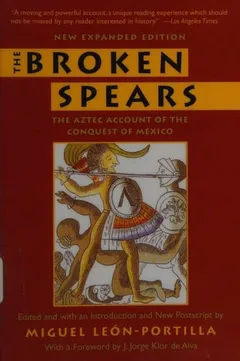
Read this appeal alongside Broken Spears, the Nahua accounts of the Spanish conquest of Mexico, to compare how two indigenous authors writing from within different colonial contexts, decades apart, documented and interpreted the specific harms of Spanish colonial rule for very different intended audiences.
Questions it raises
- Does Guaman Poma’s insistence that his complaint targets corrupt individual priests rather than Christianity itself represent genuine theological conviction, strategic rhetorical necessity given his royal Christian audience, or some combination of both? How should a reader weigh these possibilities?
- What does the appeal’s underlying assumption, that royal ignorance rather than royal complicity explains the abuses’ continuation, suggest about the actual relationship between distant imperial authority and local colonial administration in early seventeenth-century Spanish America?
- How does Guaman Poma’s parish-by-parish cataloguing method function rhetorically compared to a more narrative or anecdotal approach to documenting abuse? Does this systematic structure make the appeal more persuasive, or does it risk numbing a reader to the specific human suffering each entry represents?
- Given that the completed letter never actually reached its intended royal reader, how should a modern reader’s knowledge of this eventual fate shape their understanding of the appeal’s original rhetorical strategies and assumptions about its likely reception?
- What does Guaman Poma’s dual identity, indigenous Andean nobleman and sincere Christian convert, contribute to the appeal’s specific credibility and rhetorical force that a purely external critic of colonial Christianity could not have achieved?
- How does this appeal’s eventual rediscovery in 1908, nearly three centuries after its composition, complicate or enrich its status as a historical document? Does a text unknown to its intended audience for centuries still function as the persuasive appeal its author designed, or does it become something else entirely once read only by later scholars?
Highlights
Guaman Poma catalogues, parish by parish, the specific abuses colonial priests commit against the Andean communities under their care: extorting unpaid labor and cloth, beating and imprisoning those who complain, keeping women and fathering children, selling the sacraments, and seizing the property of the dead.
Paraphrase of the appeal's central prosecutorial catalogue, its most sustained and specific indictment of colonial clerical conduct.
Guaman Poma insists that his complaint is not against Christianity itself, which he professes sincerely, but against the specific men who administer it, whose actual conduct makes genuine Christian practice and community life impossible for the Andeans placed under their authority.
Paraphrase of the appeal's crucial distinction, positioning the author as a sincere Christian critic rather than an opponent of the faith.
He addresses King Philip III directly, arguing that the abuses he documents continue only because the distant Spanish crown remains genuinely unaware of them, and that the king would act to stop this treatment of his Andean subjects if the true facts were actually placed before him.
Paraphrase of the appeal's rhetorical premise, its direct address to the king based on the assumption of royal ignorance rather than royal complicity.