Love and desire
Eros, friendship, devotion and the trouble they cause.
149 works · Refine in the browser → · Marked passages →
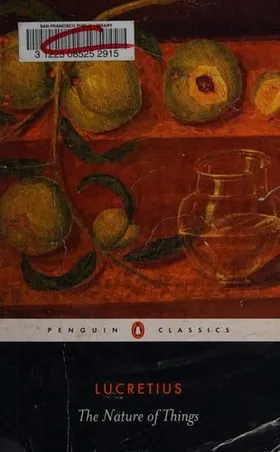
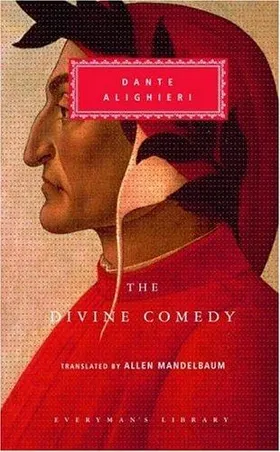
Love is the theme the great books are least embarrassed by and most divided over. For Plato it is a ladder: desire for one body becomes desire for beauty itself, and the lover climbs out of the world. For Augustine it is the weight that carries the soul wherever it goes, and the only question is what you love most. For Dante it is the force that moves the sun and the other stars, reached by way of a girl seen twice in Florence. For Lucretius it is a fever to be cured.
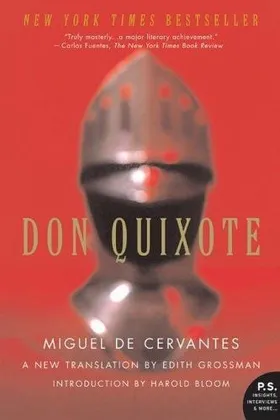
The novel took the theme over in the eighteenth century and never gave it back. Austen, Tolstoy, Flaubert and George Eliot ask whether love can survive marriage, money and the passage of time, and answer differently in every book. Goethe’s Faust and Cervantes’s Quixote are both, in the end, stories about men who love an idea more than a person.
Students meet this shelf everywhere: the Symposium is on almost every first-year list, Augustine’s Confessions on most, and Pride and Prejudice or Anna Karenina on the last year of the novel-reading programs. It pairs naturally with the shelves on the self and on women and men, since most of these books are also arguments about what a person is for.