Power and authority
Who rules, by what right, and at what cost.
196 works · Refine in the browser → · Marked passages →
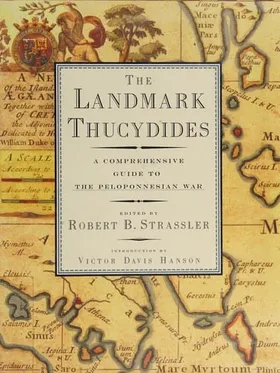
Thucydides gives the question its hardest form in the Melian dialogue, where the strong do what they can and the weak suffer what they must, and then spends the rest of the history showing what that principle did to Athens. Plato answers that the just city needs philosophers on the throne and knows they will never get there. Aristotle catalogues the constitutions and finds the best one nobody wants.
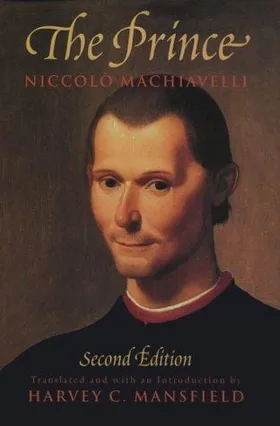
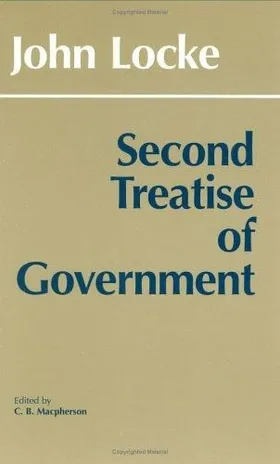
Machiavelli changed the subject from what rulers should do to what they do, and his Prince is the book every program assigns and every student argues about. Hobbes, writing during a civil war, derives absolute authority from the fear of violent death. Locke derives limited authority from consent, and the American founders derived a constitution from Locke. Rousseau says the only legitimate power is the general will, and the French Revolution tried to find it.
Tocqueville, watching democracy in America, asks what happens to authority when everyone is equal and finds a new danger: the tyranny of the majority, exercised gently, through opinion. Mill’s On Liberty is the answer. The shelf ends with Weber’s definition of the state as the monopoly on legitimate violence, which is Thucydides with a footnote.