Family and inheritance
Fathers, sons, mothers, daughters and what passes between them.
101 works · Refine in the browser → · Marked passages →
Fathers, sons, mothers, daughters, and what passes between them. The Greeks put the family at the centre of tragedy because it is where love and obligation collide with no escape: Agamemnon must kill his daughter to sail, Orestes must kill his mother to avenge his father, Antigone must bury her brother and die for it. The Odyssey is the other side, a father and son fighting their way back to one household, and it ends with the family whole and the suitors dead.
The Bible is a family history: Abraham and Isaac, Jacob and Esau, Joseph and his brothers, a God who calls himself a father. Augustine’s Confessions has a mother in it, Monica, who prays her son into the church, and she is the first mother in literature with an inner life. Shakespeare returns to the theme in every tragedy, Hamlet, Lear, Macbeth’s childlessness, and in the comedies resolves it in marriages.
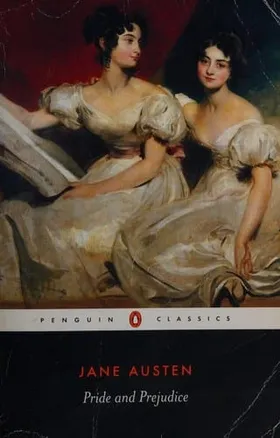
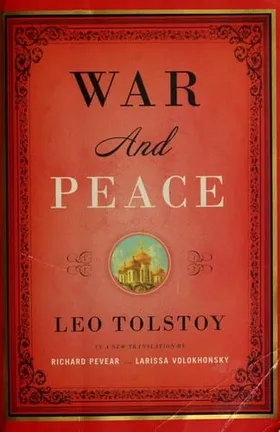
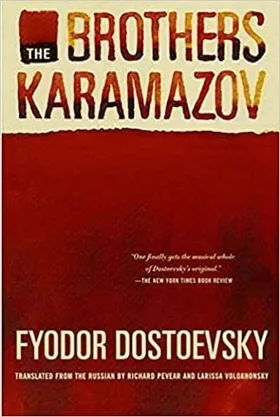
The novel makes the family its whole world. Austen’s families are economies; Tolstoy’s Karenins and Levins are the two possible outcomes of a marriage; Dostoevsky’s Karamazovs are a murder waiting to happen, and every brother is guilty. Freud, at the end of the shelf, says that all of it, the tragedies included, was true of every family, always.