Evil and suffering
Why bad things happen and what to do about them.
86 works · Refine in the browser → · Marked passages →
Job asks the question first and most directly, and the answer he gets is not an answer but a voice out of the storm asking where he was when the foundations were laid. Greek tragedy asks it in the theatre: what did Oedipus do to deserve this, and the play’s answer is that he did everything right. Aristotle, trying to explain why we go to watch such things, invented the idea of catharsis.
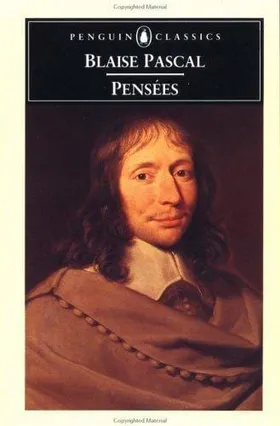
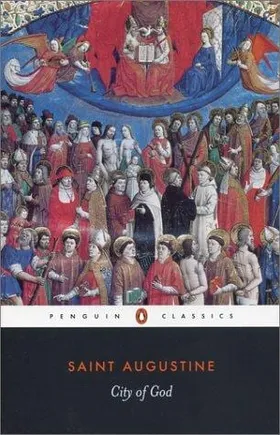
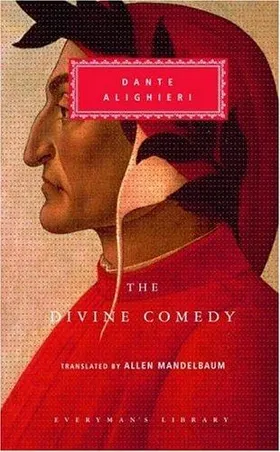
Augustine gave the Christian answer that held for a thousand years: evil is not a thing but a lack, a turning of the will from the greater good to the lesser, and suffering is what a fallen world feels like. Dante built hell on that theory. Milton tried to justify the ways of God to men in twelve books and gave the devil the most memorable speeches in English. Pascal said that a religion which did not explain both our greatness and our wretchedness could not be true.
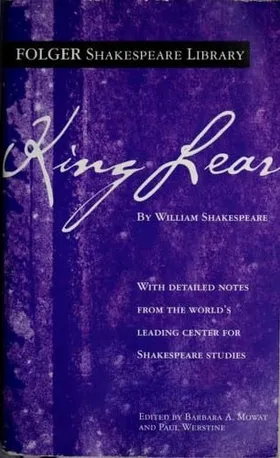
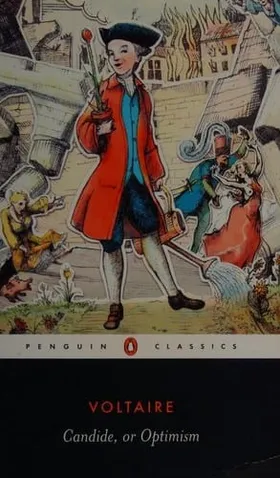
The moderns lost the explanation and kept the suffering. Voltaire’s Candide is the reply to the philosophers who said this was the best of all possible worlds. King Lear is the shelf’s darkest book: an old man on a heath, and no god answers. Dostoevsky’s Ivan returns his ticket to a heaven that costs one child’s tears. Primo Levi, at the end, reports from the place where the question stopped being theoretical.