Madness and the irrational
When reason gives way, and what is revealed.
45 works · Refine in the browser → · Marked passages →
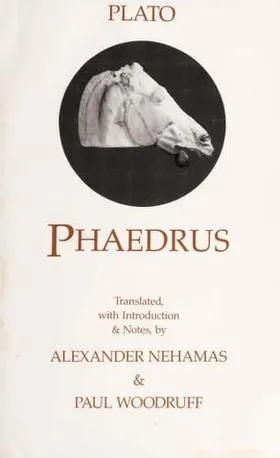
The Greeks thought madness came from outside: Dionysus sends it to Thebes in the Bacchae, and the women who tear Pentheus apart are not themselves. Plato, unusually, defends it. The Phaedrus names four divine madnesses, prophecy, ritual, poetry and love, and says that the greatest goods come to us through them. Aeschylus’s Orestes is driven mad by the Furies for a murder he was commanded to commit, and the trilogy ends with the Furies given a home under the city.
Shakespeare made madness the place where truth is spoken. Hamlet’s may be feigned; Ophelia’s is not, and her songs say what nobody else in the court will. Lear is mad on the heath and sane for the first time. Macbeth sees a dagger and a ghost and cannot tell his wife from his conscience. Erasmus, in the same century, wrote a whole book in praise of folly and let Folly explain that everything worth doing is done by fools.
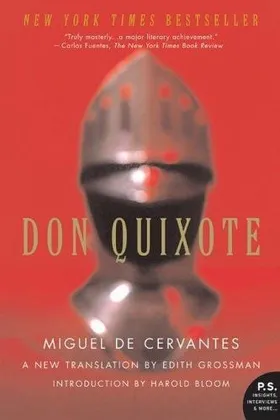
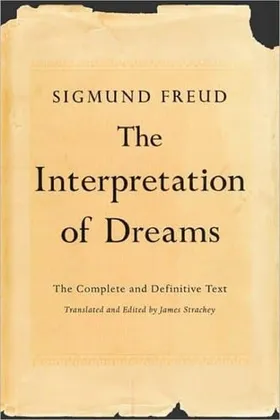
Cervantes wrote the comedy: a man who read so many romances that he became one, and a world that turns out to need him. Melville’s Ahab is the tragedy again, a will that has become a wound. Freud, at the end of the shelf, said that the line between the mad and the rest of us runs through every one of us, and set out to map it.