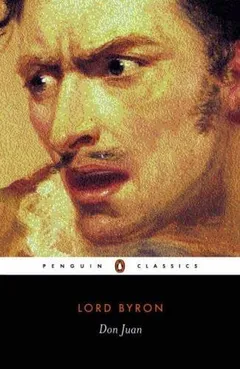
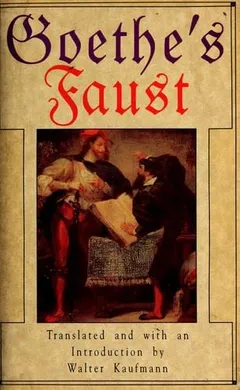
Byron and Goethe
Assigned by 1 of the 9 reading lists
An essay the Italian revolutionary wrote in London exile, published in the Monthly Chronicle in 1839. Mazzini takes the two poets as the twin summits of the age just ended, Byron the poet of the individual, of subjective will and rebellion, and Goethe the poet of objective contemplation and serene detachment. He argues that each is incomplete, that the age of individualism they represent is over, and that the poetry of the future must serve humanity and the collective progress of peoples.
We recommendHarvard Classics, Volume 32P. F. Collier, 1910The essay is rarely reprinted elsewhere; this volume of literary and philosophical essays is freely available online.
As an Amazon Associate, The Great Books earns from qualifying purchases. Bookshop.org links also support this site. How this works.
- Written
- 1839
- Form
- Essay
- Language
- English
- Length
- Short · 25 ppunder 120 pages
- Difficulty
- Moderate2 of 5 for a first-year reader
Why it's on the list
Mazzini wrote this essay from London exile as a practicing revolutionary rather than a detached literary critic, and that vantage point shapes his entire argument: Byron, the poet of subjective will and rebellion, and Goethe, the poet of objective contemplation, represent for Mazzini not simply two great talents but the twin summits of an entire age of individualism he considers genuinely finished. His claim that each poet is incomplete refuses easy hero-worship of either figure, insisting Byron's rebellious will and Goethe's contemplative detachment each capture only half of what poetry should actually accomplish, brilliant but partial achievements. Writing as an Italian revolutionary actively organizing Young Italy rather than as a purely literary commentator, Mazzini's argument that poetry's future must serve humanity and the collective progress of peoples reflects his conviction that individualist Romanticism had reached its historical limit. This fusion of literary judgment with explicit political program makes it a genuinely distinctive document within nineteenth-century criticism.
Key themes
- Art and beauty
- Mazzini takes Byron and Goethe as the twin summits of an age just ended, Byron the poet of subjective will and rebellion, Goethe the poet of objective contemplation, arguing each is genuinely incomplete, capturing only half of what poetry should actually accomplish.
- Liberty and rights
- Byron's rebellious subjective will represents for Mazzini one half of poetry's genuine possibility, individual freedom and rebellion against constraint, a value Mazzini as an actual revolutionary organizer takes seriously even while arguing it remains incomplete on its own.
- History and progress
- Mazzini argues the age of individualism Byron and Goethe represent is genuinely over, and that the poetry of the future must serve humanity and the collective progress of peoples, a claim reflecting his own considered political conviction as an active revolutionary organizer.
- Society and the state
- Writing as an Italian revolutionary actively organizing Young Italy's political movement, Mazzini's literary judgment fuses directly with explicit political program, treating aesthetic questions as inseparable from his own revolutionary nationalist commitments rather than detached literary appreciation.
Which edition to read
Our pick
Harvard Classics, Volume 32
P. F. Collier, 1910
The essay is rarely reprinted elsewhere; this volume of literary and philosophical essays is freely available online.
Amazon: the P. F. Collier edition, opens in a new tabBookshop.org: the P. F. Collier edition, opens in a new tab
Overview
About twenty-five pages, an essay the Italian revolutionary Giuseppe Mazzini wrote in London exile, published in the Monthly Chronicle in 1839. Mazzini takes two major poets as the twin summits of the age just ended, Byron the poet of the individual, of subjective will and rebellion, and Goethe the poet of objective contemplation and serene detachment.
He argues that each is incomplete, that the age of individualism they represent is over, and that the poetry of the future must serve humanity and the collective progress of peoples. Writing as a practicing revolutionary rather than a detached literary critic shapes the essay’s entire argument throughout.
What happens
Positioning Byron and Goethe as twin summits. Mazzini opens by positioning Byron and Goethe together as the twin summits of the age of individualism just ended, treating these two major poets as complementary rather than opposed embodiments of a single completed historical and artistic era.
Byron as the poet of subjective will and rebellion. Mazzini characterizes Byron specifically as the poet of the individual, of subjective will and rebellion, representing one central pole of Romantic individualist achievement through his poetry’s characteristic emphasis on personal defiance and assertion.
Goethe as the poet of objective contemplation. Mazzini characterizes Goethe as the poet of objective contemplation and serene detachment, representing the opposite pole from Byron within the same broader individualist era, a contemplative rather than rebellious mode of poetic achievement.
Arguing each poet is incomplete. Mazzini argues that each poet, despite genuine individual greatness, remains incomplete, Byron’s subjective rebellion and Goethe’s objective detachment each capturing only half of what poetry should actually accomplish rather than achieving full artistic completeness.
Declaring the age of individualism over. Building on this diagnosis of incompleteness, Mazzini declares that the entire age of individualism Byron and Goethe represent between them has now genuinely ended, a claim positioning both poets as summits of a completed rather than continuing historical period.
Calling for poetry to serve collective progress. The essay concludes by calling for a new poetry of the future that must serve humanity and the collective progress of peoples, a specifically political vision reflecting Mazzini’s own considered revolutionary conviction as an actively organizing Italian nationalist.
How to read it
Read this essay as the work of a practicing revolutionary rather than a detached literary critic; Mazzini’s specific vantage point as an exiled Italian nationalist actively organizing the Young Italy movement shapes every stage of his argument about Byron, Goethe and poetry’s proper future direction.
Pay close attention to how Mazzini positions Byron and Goethe as complementary rather than opposed; treating subjective rebellion and objective contemplation as two halves of a single incomplete achievement, rather than simply preferring one poet over the other, is central to his broader argument.
Notice how directly Mazzini’s literary judgment fuses with explicit political program; his claim that poetry must serve collective human progress is inseparable from his own revolutionary nationalist commitments, making this essay a genuinely distinctive fusion of aesthetic and political argument.
Consider the essay’s historical positioning, declaring an entire poetic era finished from within that era’s own immediate aftermath, as a bold critical claim; Mazzini was writing close enough to Byron’s and Goethe’s actual careers that declaring their shared individualist age already over required real critical confidence.
Read this essay alongside Byron’s own Manfred and Goethe’s Faust to test Mazzini’s characterization directly against the actual poetry he is describing; encountering both poets’ work firsthand lets you evaluate whether his specific portrait of subjective rebellion against objective contemplation accurately captures their genuine achievement.
Questions it raises
- Does Mazzini’s characterization of Byron as purely subjective rebellion and Goethe as purely objective contemplation accurately capture the genuine range and complexity of each poet’s actual work, or does this comparative framework oversimplify two considerably more varied bodies of poetry for the sake of a clean historical argument?
- How persuasive is Mazzini’s claim that the age of individualism Byron and Goethe represent had already ended by 1839? Does subsequent literary history support this specific historical judgment, or did individualist poetic concerns continue developing well beyond the boundary Mazzini identifies?
- What does Mazzini’s fusion of literary criticism with explicit revolutionary political program suggest about how aesthetic and political judgment can genuinely intertwine? Does this fusion strengthen or potentially compromise the essay’s specifically literary insights into Byron and Goethe’s actual poetry?
- How does Mazzini’s call for poetry serving collective human progress compare to more purely aesthetic theories of poetry’s proper purpose? Does subordinating artistic achievement to explicit political and social goals represent a coherent alternative vision, or does it risk instrumentalizing poetry in ways that diminish its genuine artistic value?
- Given that Mazzini wrote this essay from London exile as an active Italian revolutionary, how might his own personal political circumstances and aspirations have shaped his particular reading of these two major poets beyond purely literary considerations?
- What does this essay’s specific historical position, written by a political revolutionary rather than a professional literary critic, suggest about who has authority to make significant claims about poetry’s proper direction and purpose? Does Mazzini’s non-specialist status strengthen or weaken his critical argument’s actual persuasiveness?
Highlights
Mazzini takes Byron and Goethe as the twin summits of the age just ended, Byron the poet of the individual, of subjective will and rebellion, and Goethe the poet of objective contemplation and serene detachment, representing between them the full range of Romantic individualist achievement.
Paraphrase of the essay's central comparative framework, positioning both poets as complementary embodiments of a single completed historical era.
Mazzini argues that each poet is genuinely incomplete, that Byron's subjective rebellion and Goethe's objective detachment each capture only half of what poetry should actually accomplish, brilliant but partial achievements rather than fully realized artistic completeness.
Paraphrase of Mazzini's central critical judgment, refusing simple hero-worship of either poet in favor of identifying what each specifically lacks.
Mazzini argues that the age of individualism Byron and Goethe represent is now over, and that the poetry of the future must instead serve humanity and the collective progress of peoples, a claim reflecting his own considered political conviction as an actively organizing Italian revolutionary.
Paraphrase of the essay's concluding political and aesthetic argument, connecting literary criticism directly to Mazzini's own revolutionary commitments.