Death and mortality

Living in the knowledge that we die.

114 works · Refine in the browser → · Marked passages →

Every book on this shelf was written by someone who knew they would die, and most of them say so on the first page. The Iliad is a poem about the day of your death and whether it can be made to mean anything. The Phaedo is a conversation held while the hemlock is being prepared. Hamlet holds a skull. Pascal writes that we are all condemned to death, some of us sentenced each day in front of the others, and asks how anyone can think about anything else.

The tradition splits on what to do about it. The Stoics, in Epictetus and Marcus Aurelius, say to rehearse it until it loses its power. Lucretius says that where death is, you are not, so it is nothing to you. Augustine and Dante say it is a door. Montaigne, who tried the Stoic rehearsal for years, gives it up in the later essays and decides that nature will teach you how to die when the time comes, and that the point is to learn how to live.

This shelf is unusually approachable: the Apology, the Enchiridion and the Phaedo are all short and are among the first books assigned in most programs. King Lear and the Pensées are where it becomes hard.
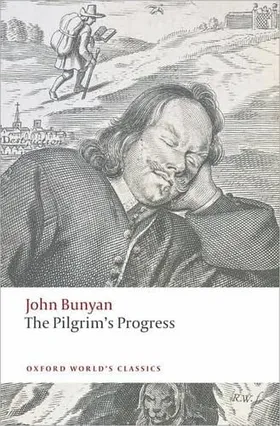
ConfessionsAugustine · 397-400The IliadHomer · c. 750 BCEApologyPlato · c. 395 BCEPhaedoPlato · c. 380 BCEOn the Nature of ThingsLucretius · c. 55 BCEEssaysMichel de Montaigne · 1580-1595PenséesBlaise Pascal · 1657HamletWilliam Shakespeare · c. 1600King LearWilliam Shakespeare · c. 1605-1606EnchiridionEpictetus · c. 125 CETo the LighthouseVirginia Woolf · 1927Oedipus at ColonusSophocles · c. 406 BCEOn the SoulAristotle · c. 350 BCEMeditationsMarcus Aurelius · c. 170-180If Not, Winter: Fragments of SapphoSappho · c. 600 BCEThe FrogsAristophanes · 405 BCEMedical WritingsHippocrates · c. 430-350 BCEGospel of LukeThe Bible · c. 80-90 CESonnetsWilliam Shakespeare · 1609The Epic of GilgameshAnonymous · c. 1200 BCELetter to MenoeceusEpicurus · c. 300 BCEThe First Epistle of Paul to the CorinthiansPaul the Apostle · c. 53-55 CEGospel of JohnThe Bible · c. 90-110 CEDiscoursesEpictetus · c. 108 CEThe Qur'anAnonymous · 610Troilus and CriseydeGeoffrey Chaucer · c. 1382-1386Antony and CleopatraWilliam Shakespeare · c. 1606-1607English Minor PoemsJohn Milton · 1629-1673Don GiovanniWolfgang Amadeus Mozart · 1787PoemsWilliam Wordsworth · 1798-1850PoemsJohn Keats · 1816-1820The Gettysburg AddressAbraham Lincoln · 1863Hedda GablerHenrik Ibsen · 1890Swann's WayMarcel Proust · 1913DublinersJames Joyce · 1914Beyond the Pleasure PrincipleSigmund Freud · 1920The Waste LandT. S. Eliot · 1922The Trojan WomenEuripides · 415 BCEMinor Biological Works (Parva Naturalia)Aristotle · c. 350 BCELetter to Herodotus and Letter to MenoeceusEpicurus · c. 300 BCEBuddhist WritingsAnonymous · c. 3rd c. BCEEcclesiastesAnonymous · c. 3rd c. BCELettersCicero · 68-43 BCEOn Old AgeCicero · 44 BCEGeorgicsVirgil · 29 BCEOdes and EpodesHorace · 30-13 BCELettersPliny the Younger · c. 97-112 CEThe Golden Sayings of EpictetusEpictetus · c. 108 CEWorksLucian · c. 160-180On the IncarnationAthanasius · c. 318The Consolation of PhilosophyBoethius · 524BeowulfAnonymous · c. 8th c.The Destruction of Dá Derga's HostelAnonymous · c. 8th c.The Poetic EddaAnonymous · c. 800The New LifeDante Alighieri · c. 1293-1295ShowingsJulian of Norwich · c. 1373-1393Traditional BalladsAnonymous · c. 1300-1700The Life of Sir Thomas MoreWilliam Roper · c. 1556Journeys in Diverse PlacesAmbroise Paré · 1585Doctor FaustusChristopher Marlowe · c. 1592Romeo and JulietWilliam Shakespeare · c. 1595Henry IV, Part 2William Shakespeare · c. 1597-1598The Duchess of MalfiJohn Webster · c. 1613PoemsJohn Donne · c. 1590Religio MediciThomas Browne · 1643The Lives of Donne and HerbertIzaak Walton · 1640The Imaginary InvalidMolière · 1673All for LoveJohn Dryden · 1677The Pilgrim's ProgressJohn Bunyan · 1678St. Matthew PassionJohann Sebastian Bach · 1727The Vanity of Human WishesSamuel Johnson · 1749Elegy Written in a Country ChurchyardThomas Gray · 1751RasselasSamuel Johnson · 1759The Lives of the PoetsSamuel Johnson · 1779-1781The Rime of the Ancient MarinerSamuel Taylor Coleridge · 1798The Prisoner of ChillonLord Byron · 1816ManfredLord Byron · 1817JournalRalph Waldo Emerson · 1820-1882AdonaisPercy Bysshe Shelley · 1821TalesHans Christian Andersen · 1835-1872A Blot in the 'ScutcheonRobert Browning · 1843PoemsEdgar Allan Poe · 1827-1849PoemsAlfred, Lord Tennyson · 1830-1889Studies in PessimismArthur Schopenhauer · 1851Leaves of GrassWalt Whitman · 1855Tristan and IsoldeRichard Wagner · 1857On the Antiseptic Principle of the Practice of SurgeryJoseph Lister · 1867PoemsMatthew Arnold · 1849-1867Thus Spoke ZarathustraFriedrich Nietzsche · 1883-1885The Golden BoughJames George Frazer · 1890The Master BuilderHenrik Ibsen · 1892Uncle VanyaAnton Chekhov · 1897The Beast in the JungleHenry James · 1903Hadji MuratLeo Tolstoy · 1896Hymns of the Christian ChurchVarious authors · 1910Death in VeniceThomas Mann · 1912In Search of Lost TimeMarcel Proust · 1913-1927Thoughts for the Times on War and DeathSigmund Freud · 1915Mourning and MelancholiaSigmund Freud · 1917My ÁntoniaWilla Cather · 1918The Waning of the Middle AgesJohan Huizinga · 1919UlyssesJames Joyce · 1922The Magic MountainThomas Mann · 1924Inhibitions, Symptoms, and AnxietySigmund Freud · 1926What Is Metaphysics?Martin Heidegger · 1929A Rose for EmilyWilliam Faulkner · 1930The Short Happy Life of Francis MacomberErnest Hemingway · 1936NauseaJean-Paul Sartre · 1938A Mathematician's ApologyG. H. Hardy · 1940Being and NothingnessJean-Paul Sartre · 1943If This Is a ManPrimo Levi · 1947Waiting for GodotSamuel Beckett · 1952A Good Man Is Hard to FindFlannery O'Connor · 1953Cancer WardAleksandr Solzhenitsyn · 1968