Justice
What we owe one another, and who decides.
148 works · Refine in the browser → · Marked passages →
The great books do not agree about justice. They agree only that it is the first question, the one you cannot put off, because every other arrangement of a life or a city depends on the answer. Socrates dies rather than escape it. Antigone is buried alive for an answer her king will not accept. Two thousand years later Kant is still trying to state the rule that would settle it once and for all, and Tocqueville is watching a whole nation try to live by an answer nobody had tested before.
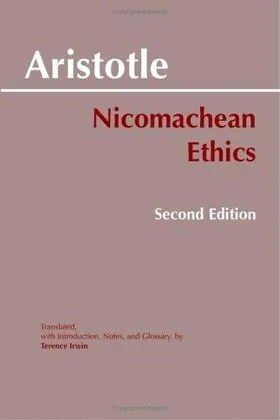
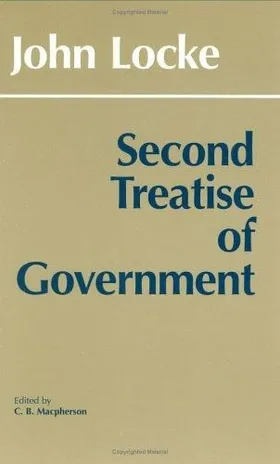
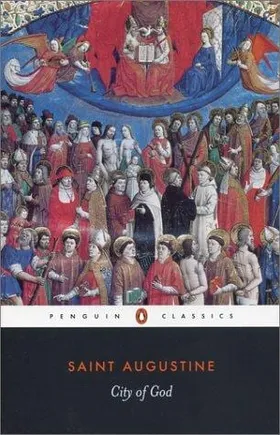
The shelf runs in three directions. The Greeks ask what justice is in a soul before they ask what it is in a state, which is why the Republic spends more pages on education and music than on law. The tradition that runs from the Hebrew prophets through Augustine and Aquinas asks whose justice, and answers that ours is a copy of one we did not write. The moderns, from Hobbes and Locke to Rousseau, Smith and Marx, ask where it comes from if not from above, and answer with a contract, a market, or a revolution.
Students meet this shelf in the first semester almost everywhere, usually through the Apology and a Sophocles play, and come back to it in the last, through the Federalist, Mill, or the letter Martin Luther King wrote from a Birmingham jail. It is the one theme every program on this site assigns in every year.