Science and method
How to ask questions the world will answer.
122 works · Refine in the browser → · Marked passages →
Aristotle’s is the first method, and it lasted: observe, classify, find the causes, and the Physics and the treatises on animals are its results. Euclid’s Elements is the other Greek gift, a whole science built from five postulates by deduction alone, and for two thousand years it was what certainty looked like. Ptolemy fitted the heavens to it and was wrong for fourteen centuries in a way that predicted the planets correctly.
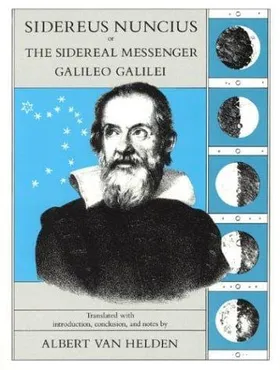
The revolution was a change of method before it was a change of results. Bacon said the old logic could not discover anything new and proposed experiment and induction instead. Galileo dropped the weights and rolled the balls and wrote in Italian so that the argument was public. Descartes doubted everything and rebuilt from clear and distinct ideas. Harvey traced the blood by cutting. Newton combined mathematics and experiment and produced the Principia, which explained the tides and the planets by the same three laws, and the method had won.
Hume then asked how anyone knew the method would keep working, and could not answer. Kant tried to. Darwin applied the method to life and the theory of natural selection was the result. The shelf ends with Poincaré and Einstein asking whether the certainties Newton found were ever more than useful.