Nature and the cosmos

The order of the world and our place in it.

178 works · Refine in the browser → · Marked passages →

The first philosophers were physicists: Thales said everything is water, Heraclitus fire, Democritus atoms in the void, and the surviving fragments of the Presocratics are the first attempts to explain nature without gods. Plato’s Timaeus gives the cosmos a maker and a mathematical plan. Aristotle’s Physics gives it purposes: things move toward where they belong, and the whole is a living order with the earth at rest in the centre.

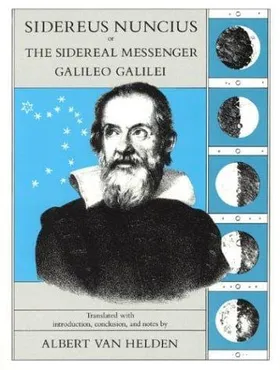
That picture lasted eighteen centuries. Aquinas built theology on it and Dante built a poem. Then Copernicus moved the earth, Galileo saw the moons of Jupiter, and Newton wrote the laws that hold for a falling apple and a planet alike. Lucretius, rediscovered in 1417, had already offered an atomist universe without providence, and his poem was the shadow the new science cast backwards.

The theme does not end with physics. Wordsworth and Thoreau find in nature what Aristotle found, a home, after the science had made it hard to see one. Darwin gives the living world a history without a plan. Shakespeare’s Tempest asks whether a man can command the elements and what he should do with the power. Start with Lucretius, who gets the wonder and the argument into the same lines.
The HistoriesHerodotus · c. 430 BCEMeditations on First PhilosophyRené Descartes · 1641On the Nature of ThingsLucretius · c. 55 BCESumma TheologicaThomas Aquinas · 1265-1274PhysicsAristotle · c. 350 BCEThe TempestWilliam Shakespeare · c. 1611Novum OrganumFrancis Bacon · 1620An Enquiry Concerning Human UnderstandingDavid Hume · 1748MetaphysicsAristotle · c. 340 BCEMathematical Principles of Natural PhilosophyIsaac Newton · 1687Critique of Pure ReasonImmanuel Kant · 1781On the Origin of SpeciesCharles Darwin · 1859TimaeusPlato · c. 360 BCEOn the SoulAristotle · c. 350 BCEElementsEuclid · c. 300 BCEMeditationsMarcus Aurelius · c. 170-180The EnneadsPlotinus · c. 253On the Motion of the Heart and Blood in AnimalsWilliam Harvey · 1628Discourse on MetaphysicsGottfried Wilhelm Leibniz · 1686Principles of Human KnowledgeGeorge Berkeley · 1710JobAnonymous · c. 6th c. BCEMedical WritingsHippocrates · c. 430-350 BCEMetamorphosesOvid · 8 CEAlmagestPtolemy · c. 150 CEOn the Natural FacultiesGalen · c. 170 CEOn the Revolutions of the Heavenly SpheresNicolaus Copernicus · 1543Epitome of Copernican AstronomyJohannes Kepler · 1618-1621GeometryRené Descartes · 1637Dialogues Concerning Two New SciencesGalileo Galilei · 1638EthicsBaruch Spinoza · 1677OpticksIsaac Newton · 1704MonadologyGottfried Wilhelm Leibniz · 1714Elements of ChemistryAntoine Lavoisier · 1789Experimental Researches in ElectricityMichael Faraday · 1839-1855Moby-DickHerman Melville · 1851The Descent of ManCharles Darwin · 1871The Epic of GilgameshAnonymous · c. 1200 BCEThe Book of PsalmsAnonymous · c. 10th c. BCEFragmentsThe Pre-Socratic Philosophers · c. 600-400 BCEParmenidesPlato · c. 365 BCESophistPlato · c. 360 BCEOn Generation and CorruptionAristotle · c. 350 BCEParts of AnimalsAristotle · c. 345 BCEWorksArchimedes · c. 250-212 BCEOn Conic SectionsApollonius of Perga · c. 200 BCEIntroduction to ArithmeticNicomachus of Gerasa · c. 100The Story of Hayy ibn YaqzanIbn Tufayl · c. 1160-1185As You Like ItWilliam Shakespeare · c. 1599On the Loadstone and Magnetic BodiesWilliam Gilbert · 1600Concerning the Harmonies of the WorldJohannes Kepler · 1619English Minor PoemsJohn Milton · 1629-1673Treatise on LightChristiaan Huygens · 1690An Essay on ManAlexander Pope · 1733-1734The Spirit of the LawsMontesquieu · 1748Critique of JudgmentImmanuel Kant · 1790PoemsWilliam Wordsworth · 1798-1850FrankensteinMary Shelley · 1818PoemsJohn Keats · 1816-1820EssaysRalph Waldo Emerson · 1841 and 1844The Chemical History of a CandleMichael Faraday · 1861Science and HypothesisHenri Poincaré · 1902An Introduction to MathematicsAlfred North Whitehead · 1911The Problems of PhilosophyBertrand Russell · 1912Relativity: The Special and the General TheoryAlbert Einstein · 1917Beyond the Pleasure PrincipleSigmund Freud · 1920Science and the Modern WorldAlfred North Whitehead · 1925Introduction to MetaphysicsMartin Heidegger · 1935The BearWilliam Faulkner · 1942Scientific AutobiographyMax Planck · 1948Tao Te ChingLaozi · c. 4th c. BCEMeteorologyAristotle · c. 350 BCEMinor Biological Works (Parva Naturalia)Aristotle · c. 350 BCEOn the HeavensAristotle · c. 350 BCEHistory of AnimalsAristotle · c. 345 BCEOn the Generation of AnimalsAristotle · c. 340 BCELetter to Herodotus and Letter to MenoeceusEpicurus · c. 300 BCEOn Floating BodiesArchimedes · c. 250 BCEThe Stoics ReaderVarious authors · 3rd c. BCEOn Old AgeCicero · 44 BCEEcloguesVirgil · c. 39 BCEGeorgicsVirgil · 29 BCEOdes and EpodesHorace · 30-13 BCELettersPliny the Younger · c. 97-112 CEIsagogePorphyry · c. 270On MusicBoethius · c. 500An Exact Exposition of the Orthodox FaithJohn of Damascus · c. 743On the IntellectAl-Farabi · c. 940The Political RegimeAl-Farabi · c. 940The CureAvicenna (Ibn Sina) · c. 1020-1027The Guide of the PerplexedMaimonides · c. 1190On Being and EssenceThomas Aquinas · c. 1252-1256The Division and Methods of the SciencesThomas Aquinas · c. 1257-1259The Journey of the Mind to GodBonaventure · 1259The Poetic EddaAnonymous · c. 800ParadisoDante Alighieri · c. 1316-1320The Ascent of Mont VentouxPetrarch · 1336Sir Gawain and the Green KnightAnonymous · c. 1375-1400NotebooksLeonardo da Vinci · c. 1478-1519Sir Francis Drake's Famous Voyage Round the WorldFrancis Pretty · 1577EpithalamionEdmund Spenser · 1595A Midsummer Night's DreamWilliam Shakespeare · c. 1595-1596ProthalamionEdmund Spenser · 1596The Discovery of GuianaWalter Raleigh · 1596The Starry MessengerGalileo Galilei · 1610Sir Francis Drake RevivedPhilip Nichols · c. 1593Religio MediciThomas Browne · 1643Principles of PhilosophyRené Descartes · 1644On the Circulation of the BloodWilliam Harvey · 1649On the Generation of AnimalsWilliam Harvey · 1651Scientific TreatisesBlaise Pascal · 1647-1665Philosophical EssaysGottfried Wilhelm Leibniz · 1686-1716The Principles of the Most Ancient and Modern PhilosophyAnne Conway · c. 1670New Essays Concerning Human UnderstandingGottfried Wilhelm Leibniz · 1704Three Dialogues Between Hylas and PhilonousGeorge Berkeley · 1713Principles of Nature and GraceGottfried Wilhelm Leibniz · 1714Robinson CrusoeDaniel Defoe · 1719Elegy Written in a Country ChurchyardThomas Gray · 1751A Philosophical Enquiry into the Origin of Our Ideas of the Sublime and BeautifulEdmund Burke · 1757Profession of Faith of a Savoyard VicarJean-Jacques Rousseau · 1762The Deserted VillageOliver Goldsmith · 1770Prolegomena to Any Future MetaphysicsImmanuel Kant · 1783Poems and SongsRobert Burns · 1786-1796Lyrical BalladsWilliam Wordsworth · 1798The Rime of the Ancient MarinerSamuel Taylor Coleridge · 1798The Three Original Publications on Vaccination Against SmallpoxEdward Jenner · 1798-1800ManfredLord Byron · 1817JournalRalph Waldo Emerson · 1820-1882Romantic Poetry ReaderVarious authors · c. 1789-1832AdonaisPercy Bysshe Shelley · 1821The Analytical Theory of HeatJoseph Fourier · 1822Principles of GeologyCharles Lyell · 1830-1833Scientific PapersCharles Lyell · 1830PoemsSamuel Taylor Coleridge · 1796-1834Introductory Lectures on AestheticsG. W. F. Hegel · 1820The Voyage of the BeagleCharles Darwin · 1839Two Years Before the MastRichard Henry Dana Jr. · 1840A System of LogicJohn Stuart Mill · 1843PoemsAlfred, Lord Tennyson · 1830-1889WaldenHenry David Thoreau · 1854Leaves of GrassWalt Whitman · 1855The Forces of MatterMichael Faraday · 1860On the Conservation of ForceHermann von Helmholtz · 1862WalkingHenry David Thoreau · 1851An Introduction to the Study of Experimental MedicineClaude Bernard · 1865PoemsMatthew Arnold · 1849-1867Geographical EvolutionArchibald Geikie · 1879Scientific PapersLouis Pasteur · 1878-1880The Wave Theory of LightLord Kelvin · 1884The Will to PowerFriedrich Nietzsche · 1883The Golden BoughJames George Frazer · 1890Matter and MemoryHenri Bergson · 1896The Extent of the UniverseSimon Newcomb · 1906Creative EvolutionHenri Bergson · 1907Science and MethodHenri Poincaré · 1908Essays in Radical EmpiricismWilliam James · 1904Origin and Development of the Quantum TheoryMax Planck · 1920The Analysis of MindBertrand Russell · 1921The Meaning of RelativityAlbert Einstein · 1922Skepticism and Animal FaithGeorge Santayana · 1923Experience and NatureJohn Dewey · 1925The Degrees of KnowledgeJacques Maritain · 1932Where Is Science Going?Max Planck · 1932On the Method of Theoretical PhysicsAlbert Einstein · 1933The Expanding UniverseArthur Eddington · 1933Atomic Theory and the Description of NatureNiels Bohr · 1929-1934Genetics and the Origin of SpeciesTheodosius Dobzhansky · 1937Logic: The Theory of InquiryJohn Dewey · 1938The Evolution of PhysicsAlbert Einstein · 1938What Is Life?Erwin Schrödinger · 1944Human KnowledgeBertrand Russell · 1948Physics and PhilosophyWerner Heisenberg · 1958The Nature of LifeC. H. Waddington · 1961OmerosDerek Walcott · 1990An Ecomodernist ManifestoJohn Asafu-Adjaye et al. · 2015Is It Colonial Déjà Vu? Indigenous Peoples and Climate InjusticeKyle Powys Whyte · 2017De-Growth vs. a Green New DealRobert Pollin · 2018Degrowth: A DefenceMark Burton and Peter Somerville · 2019Slow Down: The Degrowth ManifestoKohei Saito · 2020