The self and identity
Who we are underneath what we do.
185 works · Refine in the browser → · Marked passages →
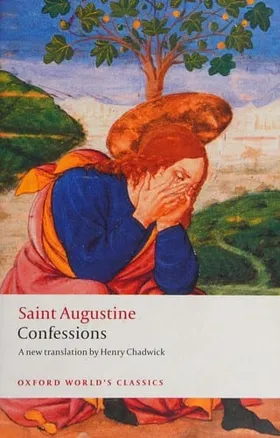
The Greeks did not quite have the question: the Delphic command to know yourself meant know your limits, and Homer’s heroes are what they do in front of others. The inner self arrives with Augustine, who turns his attention inward and finds a memory deeper than he can reach and a will divided against itself. Nobody had written like that before, and the Confessions is the book from which autobiography, the novel and psychoanalysis all descend.
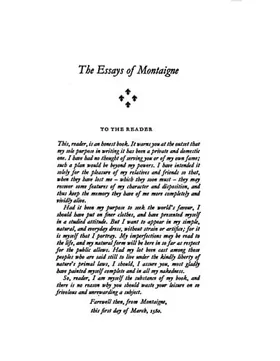
Montaigne, twelve centuries later, makes himself the whole subject of a book and finds that the self is not one thing but a series of moods and contradictions that he can only record. Descartes finds the opposite, a thinking thing that is the one certainty. Hume looks inward for that thinking thing and reports that he can find only a bundle of perceptions. Kant puts it back as a condition of experience rather than an object of it.
Literature does the work philosophy cannot. Hamlet has more interior than any character before him and cannot act because of it. Goethe’s Faust wants two souls in one breast. Dostoevsky’s Underground Man is the self as a wound. Woolf, in To the Lighthouse, writes the self as it actually passes: a stream, and the stream is the book.