Language and rhetoric

How words persuade, reveal and deceive.

92 works · Refine in the browser → · Marked passages →

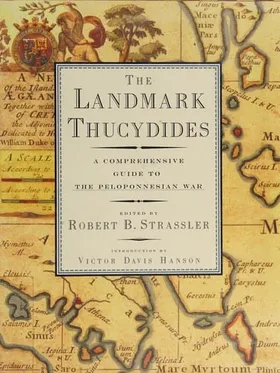
The Greeks invented rhetoric and were immediately suspicious of it. Thucydides fills his history with speeches, some of them the best political prose ever written, and lets the reader see how each one worked on its audience. Plato’s Gorgias asks whether a skill at persuasion that does not care about truth is worth having, and answers no. Aristophanes’s Clouds shows the school where young men learn to win any argument, and Athens laughed, and later killed the man the play had mocked.

Aristotle took the subject seriously enough to write two treatises, on rhetoric and on poetry, and the Organon, his logic, is the attempt to separate the arguments that are valid from the ones that only sound so. Augustine, a professor of rhetoric before his conversion, wrote On Christian Doctrine to ask whether a preacher may use the tricks he had been paid to teach.

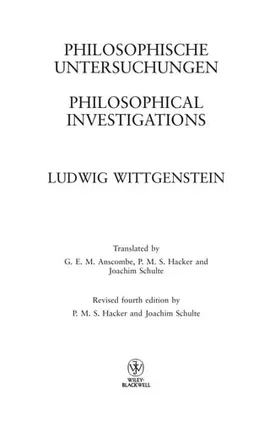
The moderns worry about language from the inside. Locke has a whole book on the abuse of words. Berkeley says most philosophical problems are language gone wrong. Swift’s Houyhnhnms have no word for lying and cannot understand what one is for. The theme comes to a point in the twentieth century, in Orwell’s Newspeak and in the philosophers who decided that the limits of language are the limits of the world.
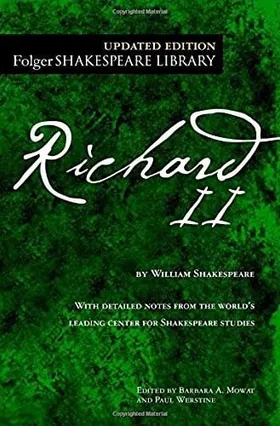
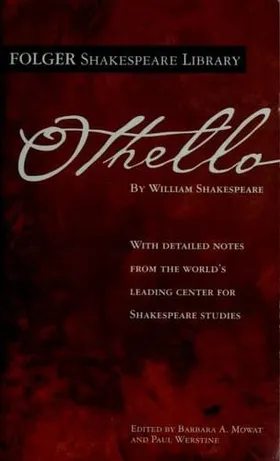
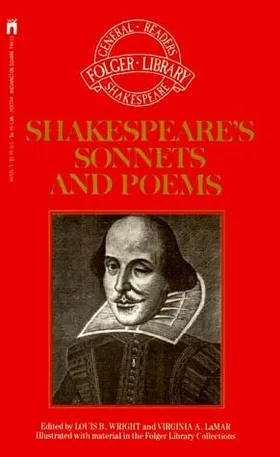
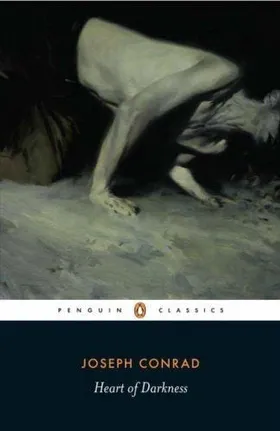
History of the Peloponnesian WarThucydides · c. 431-400 BCEPoeticsAristotle · c. 335 BCEThe CloudsAristophanes · 423 BCEPhaedrusPlato · c. 370 BCEOrganonAristotle · c. 350 BCEPrinciples of Human KnowledgeGeorge Berkeley · 1710The BirdsAristophanes · 414 BCEThe FrogsAristophanes · 405 BCEGorgiasPlato · c. 385 BCEOn Christian DoctrineAugustine · 397-426Richard IIWilliam Shakespeare · c. 1595OthelloWilliam Shakespeare · c. 1603-1604SonnetsWilliam Shakespeare · 1609An Essay Concerning Human UnderstandingJohn Locke · 1689Elements of ChemistryAntoine Lavoisier · 1789Heart of DarknessJoseph Conrad · 1899PhiloctetesSophocles · 409 BCEProtagorasPlato · c. 390 BCEParmenidesPlato · c. 365 BCETheaetetusPlato · c. 365 BCESophistPlato · c. 360 BCERhetoricAristotle · c. 335 BCEOn the TeacherAugustine · 389Gargantua and PantagruelFrançois Rabelais · 1532-1564Julius CaesarWilliam Shakespeare · 1599The Provincial LettersBlaise Pascal · 1656-1657The MisanthropeMolière · 1666Life of Samuel JohnsonJames Boswell · 1791The Lincoln-Douglas DebatesAbraham Lincoln · 1858Introduction to MetaphysicsMartin Heidegger · 1935IonPlato · c. 390 BCEWorksLucian · c. 160-180IsagogePorphyry · c. 270Christian CreedsAnonymous · c. 150-451The Guide of the PerplexedMaimonides · c. 1190On the TeacherThomas Aquinas · c. 1256-1259Commentary on the Posterior AnalyticsThomas Aquinas · c. 1271-1272The Thousand and One NightsAnonymous · c. 9th c.The Defense of PoesyPhilip Sidney · c. 1580Richard IIIWilliam Shakespeare · c. 1592-1593The Discovery of GuianaWalter Raleigh · 1596Henry VWilliam Shakespeare · 1599Much Ado About NothingWilliam Shakespeare · c. 1598-1599Troilus and CressidaWilliam Shakespeare · c. 1602The AlchemistBen Jonson · 1610PoemsJohn Donne · c. 1590Objections Against the Meditations and RepliesRené Descartes · 1641-1642The Critique of the School for WivesMolière · 1663The Way of the WorldWilliam Congreve · 1700A Tale of a TubJonathan Swift · 1704New Essays Concerning Human UnderstandingGottfried Wilhelm Leibniz · 1704An Essay on CriticismAlexander Pope · 1711Three Dialogues Between Hylas and PhilonousGeorge Berkeley · 1713A Modest ProposalJonathan Swift · 1729A Dictionary of the English LanguageSamuel Johnson · 1755A Philosophical Enquiry into the Origin of Our Ideas of the Sublime and BeautifulEdmund Burke · 1757Of the Standard of TasteDavid Hume · 1757Tristram ShandyLaurence Sterne · 1759-1767Philosophical DictionaryVoltaire · 1764Preface to ShakespeareSamuel Johnson · 1765The School for ScandalRichard Brinsley Sheridan · 1777The Lives of the PoetsSamuel Johnson · 1779-1781Lyrical BalladsWilliam Wordsworth · 1798On the Tragedies of ShakespeareCharles Lamb · 1811Biographia LiterariaSamuel Taylor Coleridge · 1817A Defence of PoetryPercy Bysshe Shelley · 1821Of Persons One Would Wish to Have SeenWilliam Hazlitt · 1826CromwellVictor Hugo · 1827A System of LogicJohn Stuart Mill · 1843The Poetic PrincipleEdgar Allan Poe · 1848What Is a Classic?Charles Augustin Sainte-Beuve · 1850What to the Slave Is the Fourth of July?Frederick Douglass · 1852Inaugural Address at EdinburghThomas Carlyle · 1866The Study of PoetryMatthew Arnold · 1880An Introduction to MetaphysicsHenri Bergson · 1903PygmalionGeorge Bernard Shaw · 1912The Analysis of MindBertrand Russell · 1921UlyssesJames Joyce · 1922The Word of God and the Word of ManKarl Barth · 1924The Blue BookLudwig Wittgenstein · 1933-1934Atomic Theory and the Description of NatureNiels Bohr · 1929-1934Logic: The Theory of InquiryJohn Dewey · 1938An Inquiry into Meaning and TruthBertrand Russell · 1940Animal FarmGeorge Orwell · 1945Human KnowledgeBertrand Russell · 1948The Syntopicon: An Index to the Great IdeasMortimer J. Adler · 1952Waiting for GodotSamuel Beckett · 1952Philosophical InvestigationsLudwig Wittgenstein · 1953Physics and PhilosophyWerner Heisenberg · 1958Structural AnthropologyClaude Lévi-Strauss · 1958Crises of the RepublicHannah Arendt · 1972CitizenClaudia Rankine · 2014