The Ascent of Mont Ventoux
by Petrarch · Familiares IV, 1
Assigned by 1 of the 9 reading lists
A Latin letter to Petrarch's confessor Dionigi da Borgo San Sepolcro describing a climb of Mont Ventoux in Provence with his brother Gherardo on 26 April 1336. The brother takes the direct steep route while Petrarch keeps seeking easier paths and finds himself lower than before, which he reads as a figure for his own moral life. At the summit, overwhelmed by the view, he opens the copy of Augustine's Confessions he carries and lands on the passage rebuking men who admire mountains and neglect themselves. It is often called the first modern account of climbing for its own sake.
We recommendThe Renaissance Philosophy of Man, translated by Hans NachodUniversity of Chicago Press, 1948Prints the letter together with On His Own Ignorance, the pairing Notre Dame assigns.
As an Amazon Associate, The Great Books earns from qualifying purchases. Bookshop.org links also support this site. How this works.
- Written
- dated 1336, probably written c. 1350
- Era
- Medieval
- Language
- Latin
- Length
- Short · 10 ppunder 120 pages
- Difficulty
- Moderate2 of 5 for a first-year reader
Why it's on the list
Petrarch's brother Gherardo taking the direct steep route while Petrarch keeps seeking easier paths and finds himself lower than before stages a literal physical experience that Petrarch reads as figure for his own moral life, treating landscape and effort as legible moral text rather than mere scenic backdrop. Opening Augustine's Confessions at the summit and landing on the passage rebuking men who admire mountains while neglecting themselves stages a sudden, humbling interruption of aesthetic wonder by inherited religious self-examination, refusing to let the achieved view stand as simple triumph. The letter's frequent identification as the first modern account of climbing for its own sake credits Petrarch with a genuinely novel sensibility, treating a mountain as worth ascending purely for the experience rather than the practical or religious purpose earlier writers typically required. Dated to a specific day though probably composed considerably later, the letter blends autobiographical specificity with retrospective literary construction in ways scholars continue to debate.
Key themes
- The self and identity
- Petrarch's brother Gherardo taking the direct steep route while Petrarch keeps seeking easier paths and finds himself lower than before stages a literal physical experience explicitly read as figure for his own moral life and character.
- Nature and the cosmos
- The letter's frequent identification as the first modern account of climbing for its own sake credits Petrarch with a genuinely novel sensibility, treating a mountain as worth ascending purely for experience and view rather than practical necessity.
- God and faith
- Opening Augustine's Confessions at the summit and landing on the passage rebuking men who admire mountains while neglecting themselves stages a humbling interruption of pure aesthetic wonder by inherited religious self-examination.
- Knowledge and truth
- Petrarch's letter blends careful autobiographical specificity, a named day and named companion, with retrospective literary and spiritual construction, raising genuine questions about how directly experience translates into written self-understanding.
Which translation to read
Our pick
The Renaissance Philosophy of Man, translated by Hans Nachod
University of Chicago Press, 1948
Prints the letter together with On His Own Ignorance, the pairing Notre Dame assigns.
Amazon: the Hans Nachod translation, opens in a new tabBookshop.org: the Hans Nachod translation, opens in a new tab
Overview
About ten pages, a Latin letter by Petrarch to his confessor Dionigi da Borgo San Sepolcro, dated 1336 though probably written around 1350, describing a climb of Mont Ventoux in Provence with his brother Gherardo on 26 April 1336. The brother takes the direct steep route while Petrarch keeps seeking easier paths and finds himself lower than before.
He reads this as a figure for his own moral life. At the summit, overwhelmed by the view, he opens the copy of Augustine’s Confessions he carries and lands on the passage rebuking men who admire mountains and neglect themselves. It is often called the first modern account of climbing for its own sake.
What happens
The two brothers begin the climb. Petrarch and his brother Gherardo set out to climb Mont Ventoux in Provence on 26 April 1336, an undertaking Petrarch frames from the start as worth pursuing for its own experience rather than any practical necessity.
Gherardo takes the direct route. Gherardo takes the direct, steep route up the mountain, making steady progress while Petrarch, seeking what seems like an easier path, repeatedly finds himself lower than before.
Petrarch’s moral self-reading. Petrarch explicitly reads his own repeated failure to find an easier ascent as a figure for his moral life more broadly, treating the physical difficulty of the climb as legible commentary on his spiritual condition.
Reaching the summit. Petrarch eventually reaches the summit, where he is overwhelmed by the expansive view, a moment of pure aesthetic and physical achievement after the climb’s earlier moral discouragement.
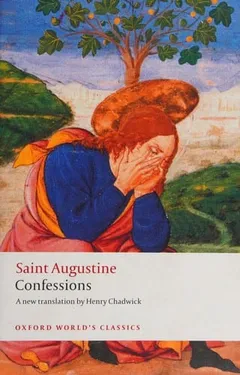
Opening Augustine’s Confessions. At the summit, Petrarch opens the copy of Augustine’s Confessions he carries with him and lands on a passage rebuking men who admire mountains and other natural wonders while neglecting their own souls.
The letter’s retrospective composition. Though dated to 26 April 1336, the letter was probably composed considerably later, blending autobiographical specificity with retrospective literary and spiritual construction that scholars continue to examine and debate.
How to read it
Read Gherardo taking the direct steep route while Petrarch keeps seeking easier paths and finding himself lower than before as a literal physical experience Petrarch explicitly reads as figure for his own moral life, treating landscape and effort as legible moral text.
Pay close attention to how opening Augustine’s Confessions at the summit and landing on the passage rebuking men who admire mountains stages a sudden, humbling interruption of pure aesthetic wonder by inherited religious self-examination, refusing simple triumphant conclusion.
Notice how the letter’s frequent identification as the first modern account of climbing for its own sake credits Petrarch with a genuinely novel sensibility, treating the mountain as worth ascending purely for experience and view rather than practical or religious purpose.
Consider how the letter, dated to a specific day though probably composed considerably later, blends careful autobiographical specificity with retrospective literary and spiritual construction in ways that complicate any simple reading of it as unmediated firsthand account.
Read this letter alongside Augustine’s own Confessions, the very book Petrarch opens at the summit, to see directly how Petrarch’s own moment of self-examination draws upon and consciously echoes the earlier spiritual autobiography he was actually carrying with him.
Questions it raises
- Does Petrarch’s reading of Gherardo’s direct route versus his own repeated detours as a figure for moral life feel like a genuine spontaneous insight, or does this interpretation read as a retrospectively imposed literary structure shaping how the climb itself is narrated?
- How does opening Augustine’s Confessions at the summit and landing on a passage rebuking mountain-admirers complicate the letter’s apparent celebration of climbing for its own sake? Does this interruption undermine or deepen the letter’s actual argument about the ascent’s value?
- What does the letter’s probable composition considerably after the dated event suggest about how much weight should be placed on its specific narrative details? Does retrospective composition change how a reader should approach its claims to firsthand experience?
- How persuasive is this letter’s frequent identification as the first modern account of climbing for its own sake? Does earlier literature genuinely lack comparable appreciation for landscape and physical achievement, or does this claim overstate the letter’s actual novelty?
- Given that Petrarch addresses this letter to his own confessor, how does this specific audience shape what he chooses to include and how he frames his own spiritual self-examination throughout the account of the climb?
- What does the tension between aesthetic wonder at the summit’s view and religious rebuke of exactly that wonder suggest about Petrarch’s own position between medieval religious tradition and what would become Renaissance humanism’s different valuation of worldly experience?
Highlights
Petrarch describes climbing Mont Ventoux in Provence with his brother Gherardo on 26 April 1336; Gherardo takes the direct steep route while Petrarch keeps seeking easier paths and finds himself lower than before, which he reads as a figure for his own moral life.
Paraphrase of the letter's central physical and moral allegory, the brothers' different paths up the mountain.
At the summit, overwhelmed by the view, Petrarch opens the copy of Augustine's Confessions he carries and lands on the passage rebuking men who admire mountains and neglect themselves, a sudden interruption of pure aesthetic wonder by religious self-examination.
Paraphrase of the letter's climactic turn, aesthetic triumph interrupted by inherited spiritual rebuke.
This letter is often called the first modern account of climbing for its own sake, crediting Petrarch with treating the mountain ascent as worth undertaking purely for the experience and view rather than for any practical, religious or military purpose.
Paraphrase of the letter's historical significance as an early instance of recreational, aesthetic mountaineering.