The Translator of Desires
by Ibn Arabi · ترجمان الأشواق
Assigned by 1 of the 9 reading lists
A collection of sixty-one Arabic love poems by the Andalusian Sufi master Ibn Arabi, composed in Mecca around 1215. In the classical manner of the qasida they mourn the departed beloved, name the abandoned campsites, the caravan and the stations of the pilgrimage, and speak of a heart that has become capable of every form, a pasture for gazelles and a convent for monks. The poet later wrote a commentary explaining that the beloved, associated with a young woman named Nizam whom he met in Mecca, is a figure for the divine and the poems are mystical allegory.
We recommendThe Translator of Desires, translated by Michael SellsPrinceton University Press, 2021A complete modern verse translation with facing Arabic and notes on the imagery and the Sufi reading.
As an Amazon Associate, The Great Books earns from qualifying purchases. Bookshop.org links also support this site. How this works.
- Written
- c. 1215
- Era
- Medieval
- Form
- Lyric poetry
- Language
- Arabic
- Length
- Short · 100 ppunder 120 pages
- Difficulty
- Demanding3 of 5 for a first-year reader
Why it's on the list
Ibn Arabi composed these sixty-one love poems in Mecca working entirely within the classical qasida's inherited conventions, mourning a departed beloved, naming abandoned desert campsites, tracing the caravan's route and the pilgrimage's stations, a form ancient enough that its images had long hardened into recognizable formula before he picked it up. What makes the collection remarkable is what he does with that formula: his own later commentary reveals the beloved, tied to an actual young woman named Nizam he met in Mecca, functions simultaneously as a real person and as figure for the divine, refusing readers the comfort of choosing one register over the other. His most striking image, a heart capable of every form, a pasture for gazelles and a convent for monks, states directly what the collection enacts throughout, a spiritual capaciousness absorbing every tradition's symbols into one unified capacity for divine love.
Key themes
- Love and desire
- Ibn Arabi's sixty-one poems mourn a departed beloved within the classical qasida's inherited conventions, and his own later commentary reveals this beloved works simultaneously as an actual woman, Nizam, and as figure for the divine, refusing the choice between human and mystical love poetry.
- God and faith
- Ibn Arabi's famous image of a heart capable of every form, a pasture for gazelles and a convent for monks, states directly a spiritual capaciousness that absorbs every religious tradition's particular symbols into a single, unified capacity for divine love beyond any one confessional boundary.
- The self and identity
- The heart's capacity to become every form simultaneously describes a specifically mystical transformation of selfhood, the individual self expanding beyond its own particular boundaries to encompass and unify what would ordinarily remain separate religious and symbolic categories.
- Art and beauty
- Ibn Arabi works entirely within the classical qasida's long-established conventions, abandoned campsites, the departing caravan, the pilgrimage's stations, demonstrating that inherited poetic formula could still carry genuinely original mystical content rather than functioning as merely exhausted convention.
Which translation to read
Our pick
The Translator of Desires, translated by Michael Sells
Princeton University Press, 2021
A complete modern verse translation with facing Arabic and notes on the imagery and the Sufi reading.
Amazon: the Michael Sells translation, opens in a new tabBookshop.org: the Michael Sells translation, opens in a new tab
Overview
About a hundred pages, sixty-one Arabic love poems by the Andalusian Sufi master Ibn Arabi, composed in Mecca around 1215. Working entirely in the classical manner of the qasida, the poems mourn a departed beloved, name the abandoned desert campsites, the departing caravan, and the pilgrimage’s actual stations, deploying poetic conventions inherited from a long tradition of earlier Arabic love poetry that had, by Ibn Arabi’s own period, hardened into recognizable formula.
Ibn Arabi later wrote a prose commentary explaining that the beloved these poems mourn, associated with an actual young woman named Nizam whom he had met in Mecca, functions as a figure for the divine, revealing the poems as sustained mystical allegory operating alongside their apparent human subject. The collection includes the poet’s famous image of a heart that has become capable of every form, a pasture for gazelles and a convent for monks, absorbing multiple religious traditions’ particular symbols into a single unified capacity for love.
What happens
Composition in Mecca. Ibn Arabi composes the sixty-one poems collected here while in Mecca around 1215, a specific historical and geographical setting that grounds the collection’s inherited poetic conventions in an actual moment of the poet’s own biography and pilgrimage.
Working within the classical qasida. The poems work entirely within the classical qasida’s inherited conventions, mourning a departed beloved, naming the abandoned desert campsites, tracing the departing caravan’s route, and describing the pilgrimage’s stations, deploying imagery long established within earlier Arabic love-poetry tradition.
The heart capable of every form. One of the collection’s most striking passages describes a heart that has become capable of every form, a pasture for gazelles and a convent for monks, a temple for idols, the pilgrim’s Kaaba, and the sacred texts of multiple traditions, a single image absorbing diverse religious symbols into one unified capacity for divine love.
Nizam and the mystical allegory. Ibn Arabi later writes a prose commentary explaining that the beloved these poems address, associated with an actual young woman named Nizam whom he encountered in Mecca, functions simultaneously as this real historical figure and as a figure for the divine, revealing the poems’ sustained mystical allegorical dimension.
A dual register throughout. Read alongside Ibn Arabi’s own explanatory commentary, the poems function simultaneously as authentic desert love poetry within an established classical tradition and as sustained Sufi mystical allegory, refusing readers the comfort of settling on either register as the poems’ sole or primary meaning.
How to read it
Read the poems first within their own classical qasida tradition, attending to the specific inherited conventions, abandoned campsites, the departing caravan, the pilgrimage’s stations, before turning to Ibn Arabi’s later mystical commentary; encountering the poems’ surface register first lets you appreciate how genuinely they function as accomplished love poetry independent of their allegorical dimension.
Pay close attention to how Ibn Arabi’s commentary transforms rather than replaces the poems’ apparent human subject; Nizam remains a real historical figure even as she also functions as a figure for the divine, and the poems’ genuine achievement lies in sustaining both registers simultaneously rather than treating one as merely disguising the other.
Notice how the famous image of a heart capable of every form states directly, in a single striking passage, the collection’s broader spiritual claim, that genuine mystical love expands beyond any single religious tradition’s particular symbolic boundaries to encompass what such traditions might otherwise treat as separate or even opposed.
Consider how working within inherited classical poetic convention, rather than inventing an entirely new devotional vocabulary, shapes the collection’s mystical content; Ibn Arabi demonstrates that established literary form could carry genuinely original spiritual meaning without requiring a formal break from tradition.
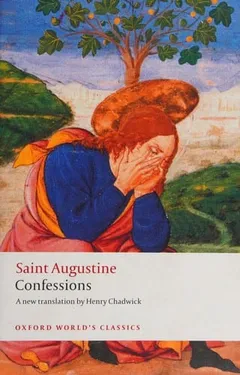
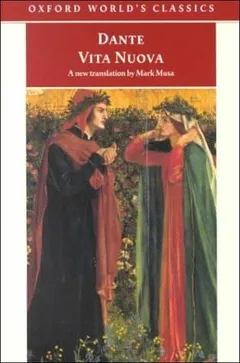
Read this collection alongside Augustine’s Confessions and Dante’s New Life to compare how differently three major figures within their respective religious traditions, Christian and Islamic mysticism alike, treated related concerns about how human love and desire can function as a pathway toward, or figure for, divine love.
Questions it raises
- Does Ibn Arabi’s dual register, the beloved functioning simultaneously as an actual historical woman and as figure for the divine, represent a genuine reconciliation of human and mystical love, or does the mystical reading ultimately subordinate or diminish the poems’ apparent human subject and content?
- How does working entirely within the classical qasida’s inherited conventions shape the collection’s mystical content? Does deploying long-established poetic formula help or constrain Ibn Arabi’s capacity to express genuinely original spiritual insight through this traditional form?
- What does the famous image of a heart capable of every form, absorbing symbols from multiple religious traditions into unified capacity for love, suggest about Ibn Arabi’s own broader theological position regarding religious difference and pluralism within his specifically Islamic mystical framework?
- How should a reader weigh Ibn Arabi’s own later commentary against the poems’ original, unglossed text? Does the commentary’s explanation of the mystical allegory enrich the poems, or does it risk foreclosing other possible readings the unglossed poems themselves might otherwise support?
- Given that this collection was composed by a major figure in Islamic mystical philosophy, what does the choice to work through love poetry specifically, rather than more direct philosophical or theological prose, suggest about what kind of religious or spiritual truth Ibn Arabi believed poetry could uniquely express?
- How does this collection’s treatment of human love as a pathway toward divine love compare to similar traditions within Christian mysticism, such as those found in Augustine’s Confessions? Does the specific poetic form Ibn Arabi chooses shape this comparison in ways worth considering beyond the underlying theological parallel?
Highlights
Ibn Arabi's poems mourn a departed beloved in the classical manner of the qasida, naming the abandoned desert campsites, the departing caravan, and the stations of the pilgrimage, working entirely within poetic conventions inherited from earlier Arabic love poetry.
Paraphrase of the collection's formal grounding in inherited classical Arabic love-poetry convention.
He describes a heart that has become capable of every form, a pasture for gazelles and a convent for monks, a temple for idols and the pilgrim's Kaaba, and tables of the Torah and the scroll of the Quran, a single image absorbing multiple religious traditions' particular symbols into one unified capacity for love.
Paraphrase of the collection's most famous single image, stating directly its central claim about spiritual capaciousness.
Ibn Arabi later wrote his own prose commentary explaining that the beloved these poems mourn, associated with an actual young woman named Nizam whom he had met in Mecca, functions as a figure for the divine, revealing the poems as sustained mystical allegory alongside their apparent human subject.
Paraphrase of Ibn Arabi's own later explanation, revealing the poems' dual human and mystical register.