Troilus and Cressida
Assigned by 1 of the 9 reading lists
In the seventh year of the Trojan War, the Trojan prince Troilus loves Cressida, whose father has defected to the Greeks, and her uncle Pandarus brings them together. The next morning she is traded to the Greek camp for a prisoner, and Troilus watches from hiding as she gives herself to the Greek Diomedes. Meanwhile Achilles sulks in his tent, Ulysses schemes to shame him into fighting, and Thersites jeers at everyone. Hector spares Achilles in single combat and is then butchered by Achilles' Myrmidons while unarmed.
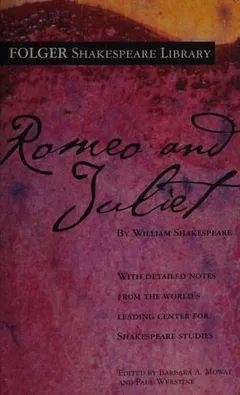
We recommendTroilus and CressidaFolger Shakespeare Library (Simon and Schuster), 2007Dense and argumentative verse that the Folger notes untangle.
As an Amazon Associate, The Great Books earns from qualifying purchases. Bookshop.org links also support this site. How this works.
- Written
- c. 1602
- Form
- Drama
- Language
- English
- Length
- Medium · 320 pp120 to 300 pages
- Difficulty
- Difficult4 of 5 for a first-year reader
Folger Shakespeare Library (Simon and Schuster) edition
Find this edition: Troilus and Cressida, opens in a new tabBookshop.org: Troilus and Cressida, opens in a new tab
Why it's on the list
Setting the action in the Trojan War's seventh year, well past any initial heroic excitement, gives the play a genuinely exhausted, cynical atmosphere where war's grinding routine has stripped away whatever glory the conflict's early legendary status might otherwise still carry for its participants. Cressida being traded to the Greek camp before her relationship with Troilus has any chance to develop or prove itself stages love as genuinely subordinate to military and political calculation, romantic commitment overridden the moment strategic advantage requires it regardless of personal cost. Troilus watching from hiding as Cressida gives herself to Diomedes stages betrayal witnessed rather than merely reported, forcing the audience to share his own devastating, helpless voyeuristic position rather than receiving this crucial information secondhand. Achilles's Myrmidons butchering the unarmed Hector after he has already spared Achilles in single combat inverts heroic combat's expected honor code entirely, cowardly collective slaughter replacing individual valor at the play's climactic moment, Thersites's cynical jeering throughout finding devastating vindication in this final, thoroughly dishonorable act.
Key themes
- War
- Setting the action in the Trojan War's seventh year gives the play a genuinely exhausted, cynical atmosphere where war's grinding routine has stripped away whatever glory the conflict's early legendary status might otherwise still carry.
- Love and desire
- Cressida being traded to the Greek camp before her relationship with Troilus has any chance to develop or prove itself stages love as genuinely subordinate to military and political calculation, romantic commitment overridden by strategic advantage.
- Heroism and honour
- Achilles's Myrmidons butchering the unarmed Hector after he has already spared Achilles in single combat inverts heroic combat's expected honor code entirely, cowardly collective slaughter replacing individual valor at the play's climactic moment.
- Women and men
- Troilus watching from hiding as Cressida gives herself to Diomedes stages betrayal witnessed rather than merely reported, forcing the audience to share his own devastating, helpless voyeuristic position rather than receiving this information secondhand.
Which edition to read
Our pick
Troilus and Cressida
Folger Shakespeare Library (Simon and Schuster), 2007
Dense and argumentative verse that the Folger notes untangle.
Amazon: the Folger Shakespeare Library (Simon and Schuster) edition, opens in a new tabBookshop.org: the Folger Shakespeare Library (Simon and Schuster) edition, opens in a new tab
Overview
About three hundred and twenty pages, Shakespeare’s drama, written around 1602. In the seventh year of the Trojan War, the Trojan prince Troilus loves Cressida, whose father has defected to the Greeks, and her uncle Pandarus brings them together. The next morning she is traded to the Greek camp for a prisoner, and Troilus watches from hiding as she gives herself to the Greek Diomedes.
Meanwhile Achilles sulks in his tent, Ulysses schemes to shame him into fighting, and Thersites jeers at everyone. Hector spares Achilles in single combat and is then butchered by Achilles’ Myrmidons while unarmed.
What happens
Troilus and Cressida’s romance. In the war’s exhausted seventh year, Troilus loves Cressida, whose father has defected to the Greek side, and her uncle Pandarus arranges to bring the two young lovers together.
Cressida traded to the Greeks. The morning after their union, Cressida is traded to the Greek camp in exchange for a prisoner, political and military calculation overriding whatever romantic commitment had just begun to develop.
Troilus watches the betrayal. Troilus watches from hiding as Cressida gives herself to the Greek warrior Diomedes, forced to witness her betrayal directly rather than receiving this devastating information secondhand.
Achilles sulks in his tent. Meanwhile, Achilles sulks in his tent, refusing to fight, while Ulysses schemes to shame him into rejoining the battle through calculated psychological manipulation.
Thersites jeers at everyone. Thersites jeers cynically at everyone throughout, his bitter commentary providing running ironic counterpoint to the war’s diminished heroic pretensions and the characters’ various self-interested schemes.
Hector’s mercy and death. Hector spares Achilles in single combat, an act of genuine heroic mercy, but is then butchered by Achilles’ Myrmidons while unarmed, inverting the expected honor code entirely.
How to read it
Read the play’s setting in the Trojan War’s seventh year as giving it a genuinely exhausted, cynical atmosphere where war’s grinding routine has stripped away whatever glory the conflict’s early legendary status might otherwise still carry for its weary participants.
Pay close attention to how Cressida being traded to the Greek camp before her relationship with Troilus has any chance to develop stages love as genuinely subordinate to military and political calculation, romantic commitment overridden by strategic advantage.
Notice how Troilus watching from hiding as Cressida gives herself to Diomedes stages betrayal witnessed rather than merely reported, forcing the audience to share his own devastating, helpless voyeuristic position.
Consider how Achilles’s Myrmidons butchering the unarmed Hector after he has already spared Achilles inverts heroic combat’s expected honor code entirely, Thersites’s cynical jeering throughout finding devastating vindication in this final, dishonorable act.
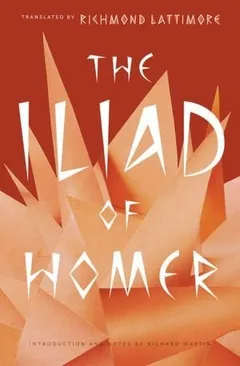
Read this play against its Homeric source material in the Iliad: where that epic still finds genuine heroic grandeur even in war’s brutality, Shakespeare strips the same events down to exhaustion, cynicism and betrayal, offering almost a deliberate anti-epic.
Questions it raises
- Does setting the action in the war’s exhausted seventh year successfully strip away heroic grandeur from material audiences might otherwise expect grand treatment, or does this cynical framing feel like a deliberate, somewhat contrarian departure from more traditional epic treatment?
- How should a reader weigh Cressida’s trade to the Greek camp against her subsequent relationship with Diomedes? Does the play present her as genuinely faithless, or as a woman with little actual agency within circumstances entirely determined by others’ political calculations?
- What does forcing the audience to witness Troilus watching Cressida’s betrayal directly, rather than learning of it secondhand, accomplish dramatically? Does this staged voyeurism intensify the audience’s own discomfort in ways secondhand narration could not achieve?
- How does Thersites’s cynical commentary throughout function within the play’s broader structure? Does his bitter jeering represent genuine insight the other characters lack, or does his relentless negativity itself become a kind of limitation on the play’s perspective?
- Hector dies precisely because he chose mercy over killing when he had Achilles at his mercy: does this specific reversal condemn heroic restraint itself as fatally naive within a war this degraded, or does it condemn only the Greeks who exploited it?
- What does this play’s unusual genre classification, sometimes called problem play rather than clearly tragedy or comedy, suggest about its deliberate resistance to conventional dramatic categories? Does this ambiguity serve the play’s broader thematic concerns with degraded heroism and betrayed love?
Highlights
In the seventh year of the Trojan War, the Trojan prince Troilus loves Cressida, whose father has defected to the Greeks, and her uncle Pandarus brings them together, staging romance within a war already grinding well past its initial heroic excitement.
Paraphrase of the play's central romantic plot, love developing within the war's already exhausted, cynical seventh year.
The next morning Cressida is traded to the Greek camp for a prisoner, and Troilus watches from hiding as she gives herself to the Greek Diomedes, staging betrayal witnessed rather than merely reported and forcing the audience to share his devastating position.
Paraphrase of the play's central romantic catastrophe, political calculation overriding love and betrayal witnessed directly.
Hector spares Achilles in single combat and is then butchered by Achilles' Myrmidons while unarmed, inverting heroic combat's expected honor code entirely, cowardly collective slaughter replacing individual valor at the play's climactic moment.
Paraphrase of the play's devastating conclusion, heroic mercy answered with cowardly, dishonorable collective violence.