The American
by Henry James
Assigned by 1 of the 9 reading lists
Christopher Newman, a self-made American millionaire of thirty-six, comes to Paris in 1868 to enjoy his money and find a wife. He is introduced to Claire de Cintré, a young widow of the ancient Bellegarde family, and after her mother and elder brother grudgingly consent, she accepts him. They then withdraw their consent, unwilling in the end to admit a commercial man, and Claire enters a Carmelite convent. Newman learns from a dying servant that the Marquise murdered her husband, and holds the proof; he considers exposing them and finally burns the paper.
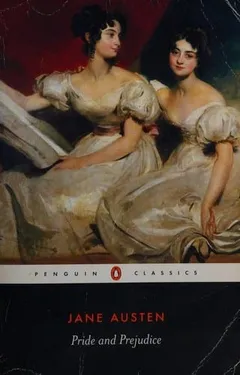
We recommendThe AmericanPenguin Classics, 1986The original 1877 text rather than James's heavily revised New York Edition, with a good introduction.
As an Amazon Associate, The Great Books earns from qualifying purchases. Bookshop.org links also support this site. How this works.
- Written
- 1877
- Form
- Novel
- Language
- English
- Length
- Long · 370 pp300 to 700 pages
- Difficulty
- Moderate2 of 5 for a first-year reader
Why it's on the list
James built his earlier international novel around a marriage negotiation whose real substance is class rather than affection: Christopher Newman, a self-made American millionaire with no polish and no need to apologize for it, courts and wins the ancient Bellegarde family's grudging consent to marry the widowed Claire de Cintré, only to watch that consent withdrawn once the family decides they cannot, in the end, stomach admitting a commercial man regardless of his fortune. What makes the novel more than a class tragedy is what Newman learns afterward from a dying servant, that the Bellegarde matriarch murdered her own husband years earlier, giving him genuine, usable power to expose and ruin the family that has just humiliated him. His final choice, holding the proof and seriously considering exposure before burning it unused, tests what kind of American virtue his commercial honesty actually amounts to when he finally holds power over people who have shown him none, and whether restraint reads as moral superiority or another kind of defeat.
Key themes
- Money and class
- The Bellegarde family's withdrawal of consent, ultimately unwilling to admit a commercial man regardless of his fortune, stages a direct confrontation between American self-made wealth and European aristocratic lineage that money alone cannot actually resolve or purchase.
- Love and desire
- Newman's courtship of Claire de Cintré begins as a genuine, uncomplicated pursuit of both affection and social advancement, and the novel tests whether his feeling for her can survive her family's calculated withdrawal and her own eventual retreat into a Carmelite convent.
- Home and exile
- Newman's journey to Paris specifically to find a wife represents a distinctly American pursuit of European sophistication and lineage, and his eventual defeat by the Bellegardes tests whether an American can actually claim a place within an old European world money cannot fully purchase.
- Justice
- Newman's discovery that the Bellegarde matriarch murdered her own husband gives him genuine power to expose and ruin the family that has humiliated him, and his final choice to burn the proof unused tests what his own American commercial virtue actually amounts to when he finally holds real power over his enemies.
Which edition to read
Our pick
The American
Penguin Classics, 1986
The original 1877 text rather than James's heavily revised New York Edition, with a good introduction.
Amazon: the Penguin Classics edition, opens in a new tabBookshop.org: the Penguin Classics edition, opens in a new tab
Overview
About three hundred and seventy pages, Henry James’s earlier international novel, published in 1877, centering on Christopher Newman, a self-made American millionaire of thirty-six who comes to Paris in 1868 to enjoy his considerable fortune and find a wife. James builds the novel around a marriage negotiation whose real substance turns out to be class rather than affection: Newman is introduced to Claire de Cintré, a young widow of the ancient Bellegarde family, and after her mother and elder brother grudgingly consent, she accepts him.
The Bellegardes then withdraw their consent, ultimately unwilling to admit a commercial man into their lineage regardless of his fortune, and Claire, devastated, enters a Carmelite convent. Newman subsequently learns from a dying servant that the Bellegarde matriarch murdered her own husband, and holds proof giving him genuine power to expose and ruin the family; after seriously considering exposure, he finally burns the paper unused.
What happens
Newman’s arrival and courtship. Newman, a self-made American millionaire with no interest in apologizing for his commercial background, arrives in Paris seeking a wife befitting his considerable new fortune, and is introduced to Claire de Cintré, a young widow of the ancient Bellegarde family, beginning a courtship that proceeds with genuine warmth between the two principals.
Grudging consent. After careful negotiation, Claire’s mother, the formidable Marquise de Bellegarde, and her elder brother grudgingly consent to the marriage, apparently persuaded by Newman’s considerable wealth despite their evident reservations about his lack of aristocratic lineage and commercial background.
Withdrawal of consent. The Bellegarde family abruptly withdraws their consent to the marriage, ultimately unwilling, despite Newman’s fortune, to actually admit a commercial man into their ancient family line, a reversal that exposes the limits of what American wealth alone can purchase within an old European aristocratic world.
Claire’s retreat to the convent. Devastated by her family’s reversal and unable or unwilling to defy them, Claire enters a Carmelite convent rather than continue any further pursuit of her engagement to Newman, removing herself entirely from the marriage plot and from ordinary worldly life altogether.
The revelation of murder. Newman learns from a dying servant that the Bellegarde matriarch, the Marquise, actually murdered her own husband years earlier, and comes into possession of documented proof, giving him genuine, usable power to expose and ruin the very family that has just humiliated him by withdrawing their consent.
Newman’s final restraint. Newman seriously considers exposing the Bellegardes’ secret and destroying their reputation, holding the proof for some time as he weighs his options, but ultimately chooses to burn the paper unused, a final act of restraint that closes the novel without the revenge his discovery had made genuinely available to him.
How to read it
Read the Bellegardes’ withdrawal of consent as the novel’s central class argument rather than simply a personal rejection of Newman himself; the family’s stated reasoning makes clear that no amount of wealth could have actually overcome their fundamental unwillingness to admit a commercial man into their aristocratic lineage.
Pay close attention to how Newman’s straightforward American commercial honesty and generosity are tested once he actually holds genuine power over the family that has humiliated him; the revelation of the Marquise’s murder transforms the novel from a class tragedy into a genuine test of Newman’s own character under pressure to seek revenge.
Notice how completely Claire’s retreat into a Carmelite convent removes her from the novel’s remaining action, a resolution that denies both Newman and the reader any further direct engagement with her own perspective on the family’s decision and her own subsequent choice.
Consider Newman’s final decision to burn the proof of the Marquise’s murder unused as genuinely ambiguous rather than a simple, uncomplicated moral triumph; weigh whether this restraint reads as authentic moral superiority over the vindictive Bellegardes or as another, quieter form of defeat, Newman unable to fully exploit the power circumstance has handed him.
Read this novel alongside James’s later work The Ambassadors to see how his treatment of Americans confronting European sophistication and social constraint developed across roughly a quarter century of his own career, from this earlier, more melodramatic class confrontation toward the later novel’s more psychologically interior treatment of similar international themes.
Questions it raises
- Does the Bellegarde family’s withdrawal of consent represent a defensible, if ultimately cruel, commitment to their own aristocratic values, or does the novel present their reasoning as simple snobbery unworthy of the serious moral weight the plot gives it?
- How should a reader weigh Newman’s final decision to burn the proof of murder rather than expose the Bellegardes? Does this restraint represent genuine moral superiority, or does the novel leave open the possibility that Newman’s choice reflects defeat and resignation as much as principled forgiveness?
- What does Claire’s retreat into a Carmelite convent, rather than any form of resistance to her family’s decision, suggest about the novel’s treatment of women’s actual agency within this specific aristocratic and religious context? Does her choice feel like genuine autonomy or another form of constraint?
- How does the revelation of the Marquise’s murder change your understanding of the Bellegarde family’s earlier objections to Newman? Does learning this secret retroactively undermine the family’s claimed moral and social superiority, or does the novel keep these two threads, class snobbery and actual criminality, somewhat separate?
- What does Newman’s specific combination of considerable wealth and complete lack of aristocratic polish suggest about James’s own view of American character confronting European social systems? Does the novel ultimately vindicate Newman’s straightforward American values, or does it suggest something genuinely valuable in the European tradition that rejects him?
- Given that this earlier novel handles similar international themes through more overt melodrama compared to James’s later, more psychologically interior style, how does this difference in approach change your experience of the underlying material? Does the earlier novel’s directness serve the story better or worse than a more subtle treatment might have?
Highlights
Newman, a self-made American millionaire of thirty-six with no interest in apologizing for his commercial background, is introduced to Claire de Cintré, a young widow of the ancient Bellegarde family, and after her mother and elder brother grudgingly consent, she accepts his proposal of marriage.
Paraphrase of the novel's central courtship plot and the family's initial, reluctant acceptance of Newman's proposal.
The Bellegarde family withdraws their consent to the marriage, ultimately unwilling to admit a commercial man into their ancient lineage regardless of his considerable fortune, and Claire, devastated, enters a Carmelite convent rather than continue any further pursuit of the marriage.
Paraphrase of the novel's central reversal, the Bellegardes' rejection of Newman on grounds of class rather than any personal deficiency.
Newman learns from a dying servant that the Bellegarde matriarch actually murdered her own husband years earlier, and comes into possession of proof, giving him genuine power to expose and ruin the very family that has just humiliated him by withdrawing their consent to his marriage.
Paraphrase of the novel's late revelation, complicating Newman's straightforward rejection with an opportunity for actual revenge.
Newman seriously considers exposing the Bellegardes' secret and ruining them, holding the proof of the murder for some time, but ultimately burns the paper unused, choosing restraint over the revenge his discovery had made genuinely available to him.
Paraphrase of the novel's closing resolution, Newman's choice of restraint over the revenge he could easily have taken.