The Defense of Poesy
Assigned by 1 of the 9 reading lists
The first major work of literary criticism in English, written in answer to Puritan attacks on the stage and published after Sidney's death. Sidney argues that poetry is the oldest of learning and the best teacher of virtue, because it joins the philosopher's precept to the historian's example in a golden world of its own making. He answers the charges that poets lie and corrupt, then turns on the state of English writing, praising Chaucer and the old ballad of Chevy Chase and mocking the disorder of contemporary plays.
We recommendSidney's The Defence of Poesy and Selected Renaissance Literary CriticismPenguin Classics, 2004Gavin Alexander's edition sets the Defence among the treatises it answered and inspired.
As an Amazon Associate, The Great Books earns from qualifying purchases. Bookshop.org links also support this site. How this works.
- Written
- written c. 1580, published 1595
- Era
- Renaissance
- Form
- Essay
- Language
- English
- Length
- Short · 60 ppunder 120 pages
- Difficulty
- Demanding3 of 5 for a first-year reader
Why it's on the list
Written specifically in answer to Puritan attacks on the stage, this essay establishes English literary criticism's founding project as genuinely defensive and occasional rather than abstract theoretical exercise, Sidney responding directly to a live contemporary controversy about poetry's moral legitimacy rather than theorizing without practical stakes. His claim that poetry joins the philosopher's precept to the historian's example in a golden world of its own making offers a genuinely distinctive account of poetry's specific cognitive contribution, combining abstraction's generality with narrative's concrete particularity in ways neither philosophy nor history achieves separately. His direct answer to the charges that poets lie and corrupt addresses moral objections to literature with unusual philosophical seriousness, treating poetry's fictional status not as a liability requiring apology but as the very source of its distinctive pedagogical power. His turn to praising Chaucer and the old ballad of Chevy Chase alongside mocking contemporary dramatic disorder demonstrates critical judgment actually exercised on specific English literary examples rather than remaining confined to abstract general principle, making this treatise genuinely foundational for subsequent English criticism.
Key themes
- Art and beauty
- Sidney's claim that poetry joins the philosopher's precept to the historian's example in a golden world of its own making offers a genuinely distinctive account of poetry's specific cognitive contribution, combining generality with concrete particularity.
- Virtue and character
- Sidney argues that poetry is the oldest of learning and the best teacher of virtue, treating poetry's fictional status not as a liability requiring apology but as the very source of its distinctive pedagogical power over abstract precept alone.
- Language and rhetoric
- Written specifically in answer to Puritan attacks on the stage, this essay establishes English literary criticism's founding project as genuinely defensive and occasional, Sidney responding directly to a live contemporary controversy about poetry's legitimacy.
- Education
- Sidney's turn to praising Chaucer and the old ballad of Chevy Chase alongside mocking contemporary dramatic disorder demonstrates critical judgment actually exercised on specific English literary examples rather than remaining confined to abstract principle.
Which edition to read
Our pick
Sidney's The Defence of Poesy and Selected Renaissance Literary Criticism
Penguin Classics, 2004
Gavin Alexander's edition sets the Defence among the treatises it answered and inspired.
Amazon: the Penguin Classics edition, opens in a new tabBookshop.org: the Penguin Classics edition, opens in a new tab
Overview
About sixty pages, Philip Sidney’s essay, the first major work of literary criticism in English, written around 1580 in answer to Puritan attacks on the stage and published in 1595 after his death. Sidney argues that poetry is the oldest of learning and the best teacher of virtue, because it joins the philosopher’s precept to the historian’s example in a golden world of its own making.
He answers the charges that poets lie and corrupt, then turns on the state of English writing, praising Chaucer and the old ballad of Chevy Chase and mocking the disorder of contemporary plays.
What happens
Answering Puritan attacks. Sidney writes this essay specifically in answer to Puritan attacks on the stage, establishing English literary criticism’s founding project as genuinely defensive and occasional rather than abstract theoretical exercise.
Poetry as the oldest learning. Sidney argues that poetry is the oldest of learning, establishing its historical priority and foundational status among the various forms of human intellectual and creative activity.
Poetry as the best teacher of virtue. Sidney claims poetry is the best teacher of virtue because it joins the philosopher’s precept to the historian’s example in a golden world of its own making, combining abstract instruction with concrete narrative.
Answering the charge that poets lie. Sidney directly answers the charge that poets lie, treating poetry’s fictional status not as a liability requiring apology but as the very source of its distinctive pedagogical power.
Answering the charge that poetry corrupts. Sidney addresses the further charge that poetry corrupts its readers, defending literature’s moral value against Puritan suspicion with unusual philosophical seriousness and rigor.
Praising Chaucer and mocking contemporary plays. Sidney turns to the state of English writing specifically, praising Chaucer and the old ballad of Chevy Chase while mocking the disorder he finds in contemporary English drama.
How to read it
Read this essay’s composition specifically in answer to Puritan attacks on the stage as establishing English literary criticism’s founding project as genuinely defensive and occasional, Sidney responding directly to a live contemporary controversy about poetry’s legitimacy.
Pay close attention to how the claim that poetry joins the philosopher’s precept to the historian’s example in a golden world of its own making offers a genuinely distinctive account of poetry’s specific cognitive contribution, combining generality with particularity.
Notice how Sidney’s direct answer to the charges that poets lie and corrupt addresses moral objections to literature with unusual philosophical seriousness, treating poetry’s fictional status as the source of its distinctive power rather than a liability.
Consider how the turn to praising Chaucer and the old ballad of Chevy Chase alongside mocking contemporary dramatic disorder demonstrates critical judgment actually exercised on specific English literary examples rather than remaining confined to abstract principle.
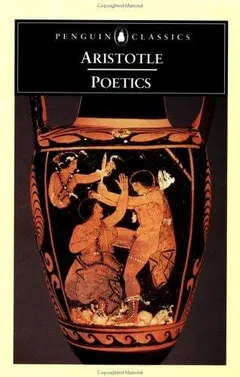
Read this essay alongside Aristotle’s own Poetics to see how Sidney’s Renaissance defense of poetry against moral suspicion draws upon and adapts classical arguments about literature’s proper relationship to philosophy, history and genuine ethical instruction.
Questions it raises
- Does Sidney’s claim that poetry combines the philosopher’s precept with the historian’s example successfully establish literature’s distinctive cognitive value, or does this formulation risk overstating what fictional narrative can actually accomplish compared to direct philosophical or historical instruction?
- How persuasive is Sidney’s defense against the charge that poets lie? Does treating fiction’s status as source of pedagogical power rather than liability successfully answer genuine concerns about literature’s relationship to truth and moral instruction?
- What does writing this essay specifically as response to Puritan attacks suggest about the relationship between literary criticism and its immediate polemical context? Does occasional, defensive composition produce different insights than criticism written without comparable external pressure?
- How does Sidney’s specific praise for Chaucer and the ballad Chevy Chase, alongside his criticism of contemporary plays, reveal his own particular literary values? Does this practical criticism cohere with his more abstract theoretical claims about poetry’s purpose?
- Given that this essay represents the first major work of literary criticism in English, what does its foundational status suggest about how subsequent English critical tradition developed from Sidney’s specific combination of theoretical defense and practical literary judgment?
- What does this essay’s continued relevance to debates about literature’s moral and educational value suggest about the durability of Sidney’s specific arguments? Do contemporary defenses of fiction’s value still draw on similar claims about combining instruction with pleasurable narrative?
Highlights
Sidney argues that poetry is the oldest of learning and the best teacher of virtue, because it joins the philosopher's precept to the historian's example in a golden world of its own making, combining abstraction's generality with narrative's concrete particularity.
Paraphrase of the treatise's foundational claim, poetry's distinctive pedagogical power derived from combining philosophy and history's separate strengths.
Sidney answers the charges that poets lie and corrupt, treating poetry's fictional status not as a liability requiring apology but as the very source of its distinctive pedagogical power, addressing moral objections to literature with unusual philosophical seriousness.
Paraphrase of the treatise's central defensive argument, directly countering Puritan moral objections to poetry and drama.
Sidney turns on the state of English writing, praising Chaucer and the old ballad of Chevy Chase and mocking the disorder of contemporary plays, demonstrating critical judgment actually exercised on specific English literary examples rather than abstract principle alone.
Paraphrase of the treatise's concluding practical criticism, judgment applied to actual contemporary and historical English literature.