Novel
Long prose fiction and the inner life of ordinary people.
71 works · Refine in the browser →
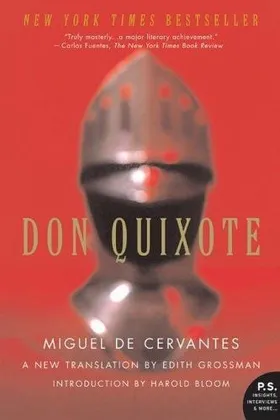
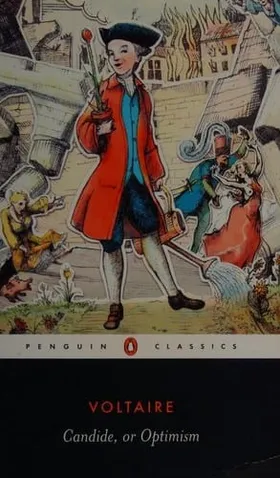
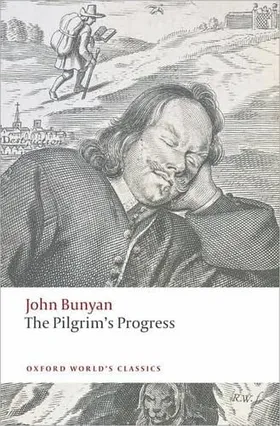
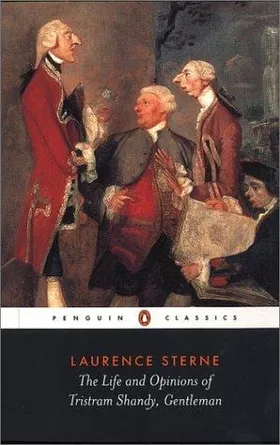
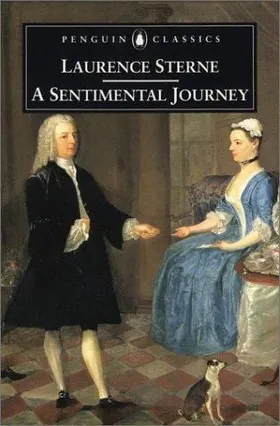
The form is late: Don Quixote, in 1605, is the first, and the programs treat it as the hinge on which the whole tradition turns, a book about a man who has read all the earlier books and gone mad. Rabelais is the giant comic prose before it, and Bunyan’s Pilgrim’s Progress the allegory beside it. The eighteenth century invented the English novel, in Defoe, Fielding, Sterne and Richardson, and Swift’s Gulliver and Voltaire’s Candide are the satires that used its shape.
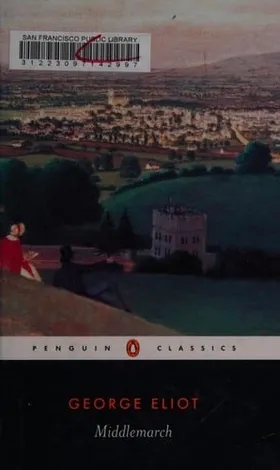
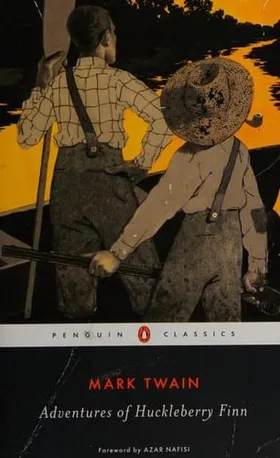
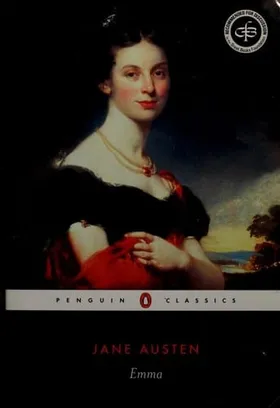
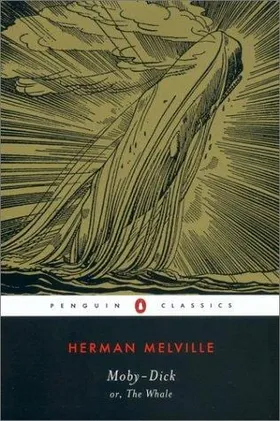
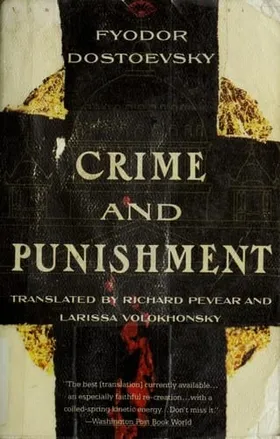
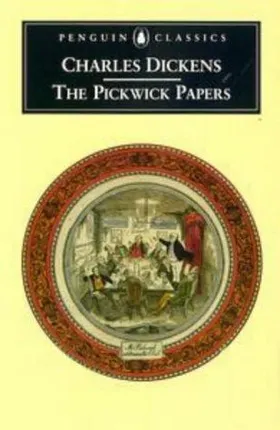
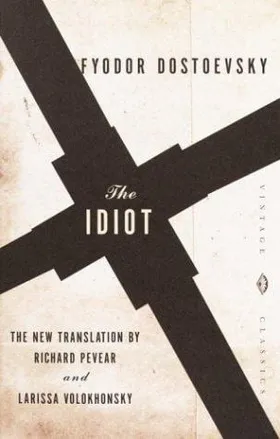
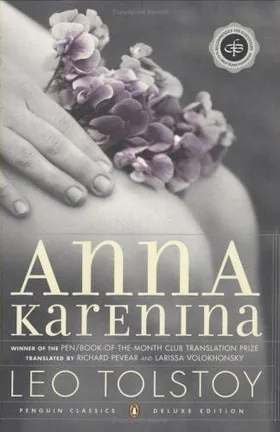
The nineteenth century is the novel’s age, and the shelf has its summits: Austen, Dickens, George Eliot’s Middlemarch, Flaubert, Melville’s Moby-Dick, Twain, Tolstoy’s two great novels, Dostoevsky’s three. The programs assign these in the final year, and they are the books students remember. Most are long and none are hard, which is the point: the novel is the form in which the great questions are asked by people who do not know they are asking them.
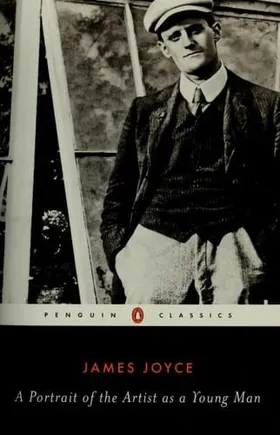
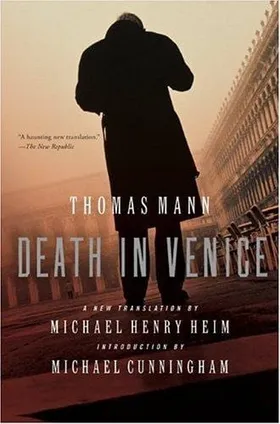
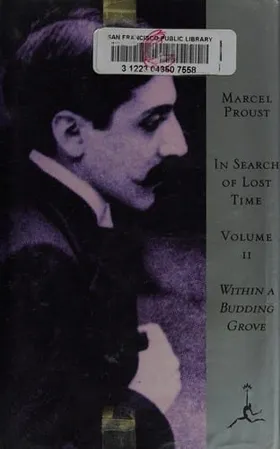
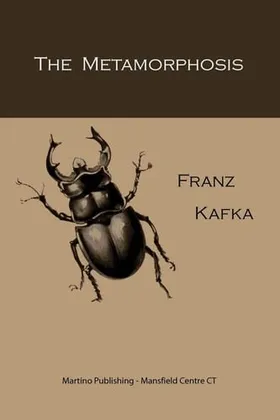
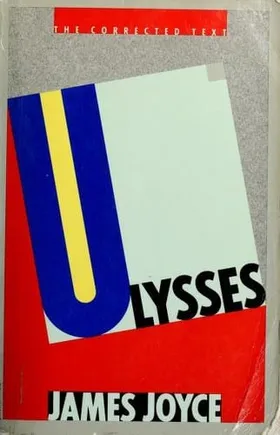
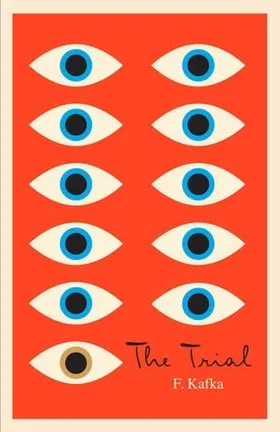
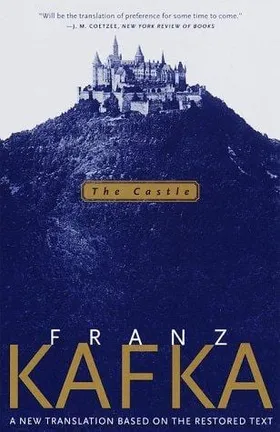
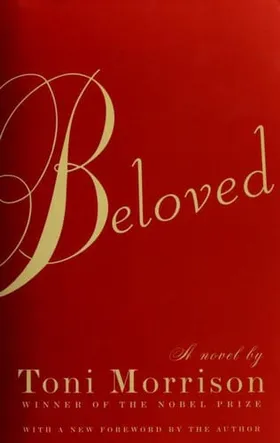
The twentieth century broke the form and remade it: Joyce, Woolf, Kafka, Proust, Mann, Camus, Achebe, Morrison. Beloved, at the end of the shelf, is the novel the American canon was missing. Start with Austen if you want ease, Cervantes if you want the source, and Middlemarch if you want the best.