Biography and memoir
Lives, told by others or by themselves.
49 works · Refine in the browser →
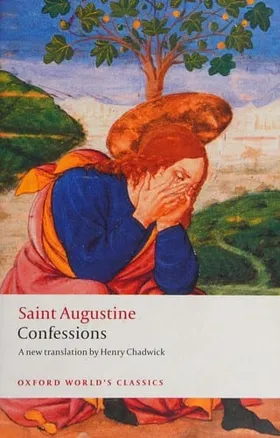
Plutarch is the founder: fifty lives of Greeks and Romans in parallel pairs, written to show character through action, and the book from which the West took its heroes for eighteen centuries. The Gospels are lives of one man by four writers, and the shelf holds them. Augustine’s Confessions turned the form inward and invented the autobiography: not what a man did but what he was, told to God.
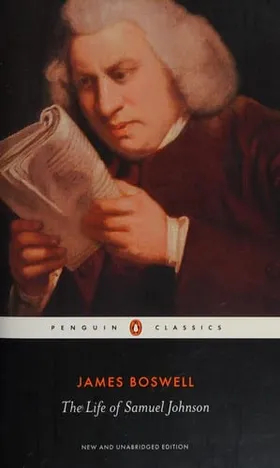
Marcus Aurelius’s Meditations and Descartes’s Discourse on Method are here because each is a life examined by its subject, one as a discipline and one as a method. Cellini’s autobiography is the Renaissance artist telling his own story and improving it. Boswell’s Life of Johnson is the greatest biography in English, made from years of writing down what Johnson said at table.
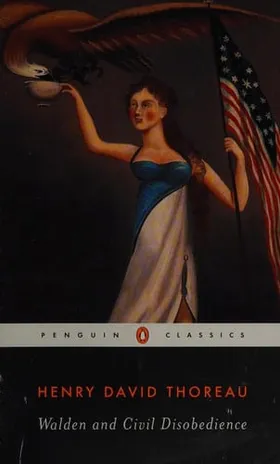
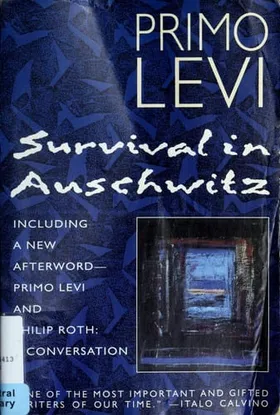
The American shelf is autobiographical: Franklin, Douglass, Thoreau at Walden, Du Bois, Mill’s account of his own education and breakdown. Rousseau’s Confessions, named after Augustine’s, are the modern form, in which the self is the whole subject and nothing is held back. Joyce’s Portrait of the Artist is autobiography as novel, and Levi’s If This Is a Man is testimony, the form the twentieth century added.