Epic poetry
Long narrative poems of heroes, gods and nations.
41 works · Refine in the browser →
Long narrative poems of heroes, gods and nations, and the form the tradition begins with. The Iliad and the Odyssey set the pattern: a hero, a journey or a war, the gods taking sides, a catalogue, a descent to the dead, and a voice that asks the Muse to sing. Every later epic knows Homer and answers him. Virgil’s Aeneid answers with a hero who gives things up. Ovid’s Metamorphoses answers with a poem that refuses to have a single hero at all. Lucretius answers with an epic about atoms.
The Christian epics took the form and turned it inward. Dante’s Comedy is a journey through the whole cosmos with the poet himself as hero, and it is the only epic in which the hero is saved. Milton’s Paradise Lost sets out to justify the ways of God and gives the best lines to Satan. Goethe’s Faust, a play in the shape of an epic, ends the tradition with a hero who is saved for never being satisfied.
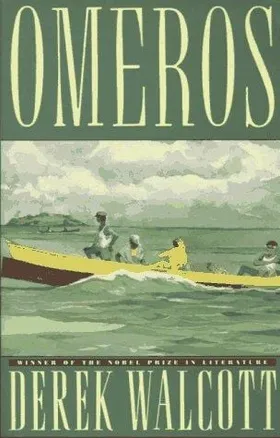
The novel inherited what the epic left. Moby-Dick is an epic with a whale for the sea and a madman for Achilles; Joyce’s Ulysses is the Odyssey in one Dublin day; Walcott’s Omeros is Homer on a Caribbean island. Beowulf, Gilgamesh and the Song of Roland are the epics of other peoples, and Gilgamesh is the oldest book on the site. Start with the Odyssey and expect it to take a month.