History
Accounts of wars, cities and peoples by those who tried to explain them.
64 works · Refine in the browser →
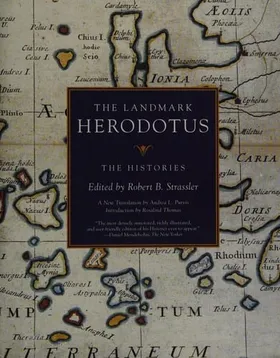
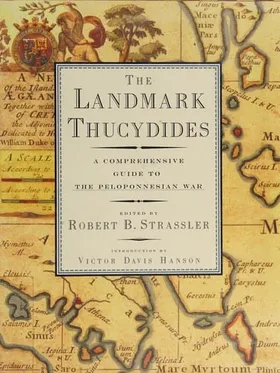
Herodotus invented the form in the fifth century BCE, calling his work an inquiry, which is what the word means, and filling it with everything he had heard on his travels. Thucydides, writing a generation later about a war he had fought in, threw out the marvels and kept the speeches and the analysis, and his book is the model of political history to this day. Livy and Tacitus are the Roman historians, the first celebrating a republic and the second dissecting an empire. Plutarch wrote history as biography.
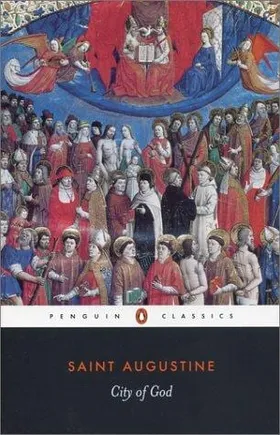
Augustine’s City of God is the first philosophy of history, in which the whole of time is a story with an ending, and Gibbon’s Decline and Fall, thirteen centuries later, is the Enlightenment’s reply, the story of how that ending was postponed. Machiavelli read Livy for lessons. Tocqueville wrote the history of a society that was still being born.
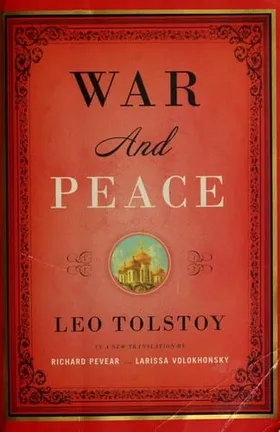
The nineteenth century turned history into a science and a philosophy at once: Hegel, Marx, Carlyle, Macaulay, and Tolstoy, whose War and Peace is a novel with a theory of history attached. Du Bois’s Souls of Black Folk and Douglass’s Narrative are the American history the older books left out. Arendt’s Origins of Totalitarianism closes the shelf with the history of the century that read all of these and did what it did.