Theology
Reasoning about God, faith and the soul.
60 works · Refine in the browser →
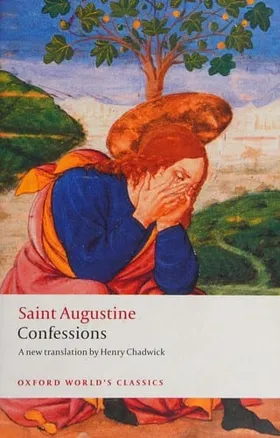
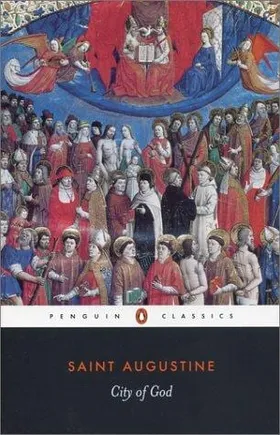
The Greeks had gods but not theology; the form begins when the Bible meets Plato in the writers of the early church. Augustine is the founder, and the Confessions, the City of God and the treatises on grace and free will are on the shelf. Athanasius on the incarnation is the doctrine the councils fought over. Boethius asked how God’s foreknowledge leaves us free, and gave the answer the Middle Ages accepted.
The medieval synthesis is Anselm and Aquinas: Anselm’s one argument, and Aquinas’s Summa, which answers every question in order and is the largest work on the site after the Bible. Maimonides and Al-Ghazali are the Jewish and Islamic theology from the same centuries, and Dante and Milton the theology in verse.
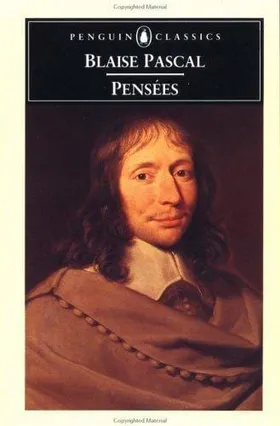
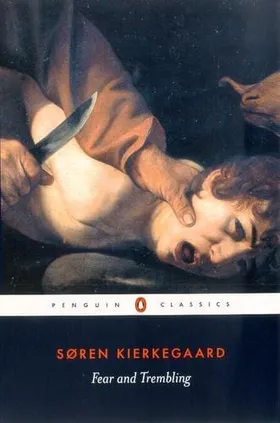
The Reformation broke the synthesis. Luther’s treatises and Calvin’s Institutes are the break. Pascal wrote the Pensées as an apology for a faith that reason could not reach. Kierkegaard, in Fear and Trembling, made Abraham on the mountain the picture of faith as a leap. Newman, at the end, wrote on how doctrine develops and on what a university is for. Nietzsche’s Genealogy is on the shelf as the theology of the death of God.