Tragedy
Drama that ends in ruin and asks what it means.
47 works · Refine in the browser →
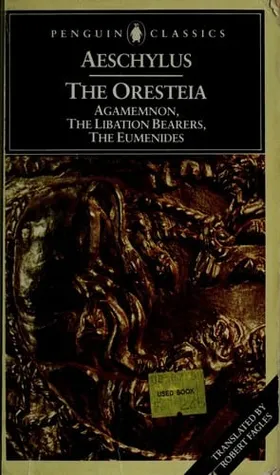
The Athenians invented the form in the fifth century BCE, and the thirty-two plays that survive from three poets are the shelf’s core. Aeschylus is the oldest and grandest: the Oresteia is the only complete trilogy, and it turns a blood feud into a court of law. Sophocles is the most perfect: Oedipus and Antigone are the plays Aristotle built the Poetics on. Euripides is the most modern, and the Bacchae and Medea are the plays the twentieth century found it had been waiting for.
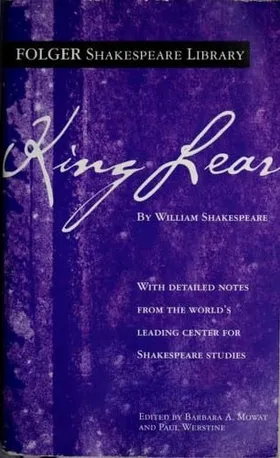
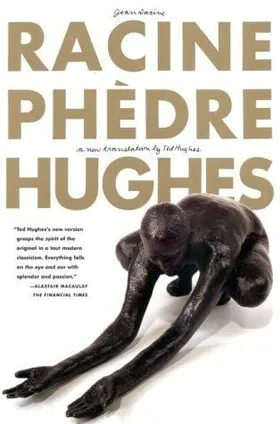
Aristotle’s Poetics is on the shelf as the theory: a tragedy imitates an action, has a plot with a reversal and a recognition, and produces pity and fear so as to purge them. Seneca carried the form into Latin and the Renaissance found it there. Shakespeare then wrote the four tragedies the English language is measured by, and Hamlet and Lear are on most lists. Racine gave the French stage its tragedies of passion in perfect alexandrines.
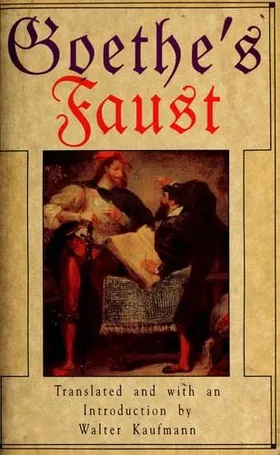
After Racine the form thins. Goethe’s Faust is a tragedy that ends in salvation; Ibsen’s are tragedies in drawing rooms; O’Neill’s Mourning Becomes Electra is the Oresteia in New England. Beckett’s Waiting for Godot, the last play on the shelf, is a tragedy in which nothing happens twice.