Lyric poetry
Shorter poems of feeling, praise, love and grief.
56 works · Refine in the browser →
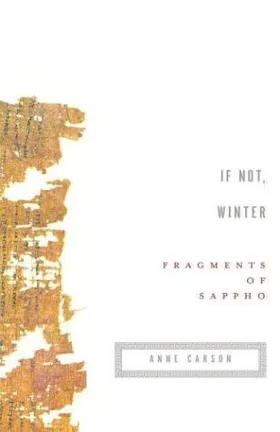
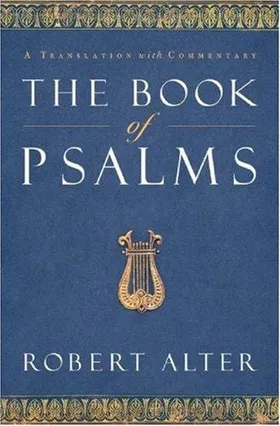
The lyric is the oldest form after the epic, sung to a lyre, which is where the name comes from, and Sappho is its first great voice: a woman on Lesbos in the sixth century BCE whose poems survive as quotations and papyrus scraps and are still the standard for writing about wanting someone. The Psalms are the lyric of the Hebrew Bible, prayer and praise and complaint, and the Song of Songs its love poetry.
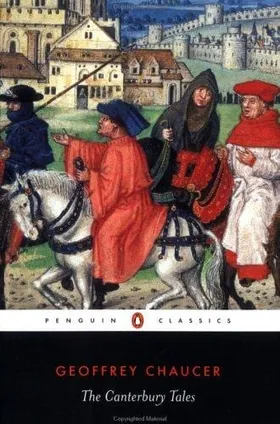
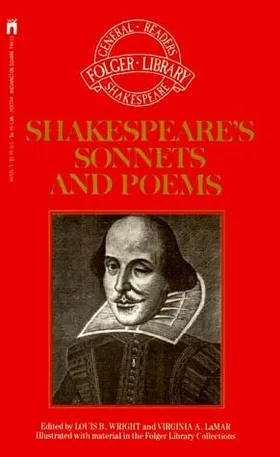
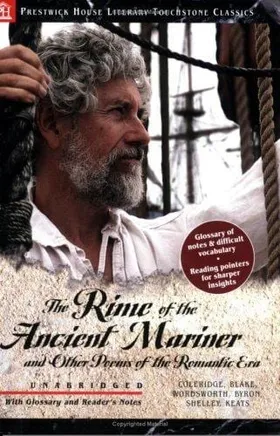
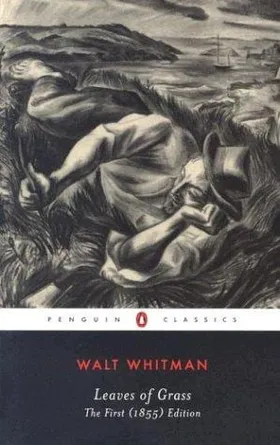
The programs assign lyric in collections rather than single poems, which is why the shelf holds volumes: Chaucer’s Canterbury Tales counts because its frame is verse and its tales are every kind; Milton’s shorter poems, Lycidas above all, are here alongside the epic; Shakespeare’s sonnets are the argument of a lifetime in a hundred and fifty-four pieces. Donne, Keats, Wordsworth, Whitman and Dickinson are the English and American lyric at its height, and most programs assign one or two of them in the last year.
The lyric is the form students most often skip, because it is short and looks easy. It is the hardest reading on the site per line. Read a poem three times, once for sense, once aloud, and once for what it does with the form, and the shelf opens.