Founding documents
Declarations, constitutions and the arguments around them.
17 works · Refine in the browser →
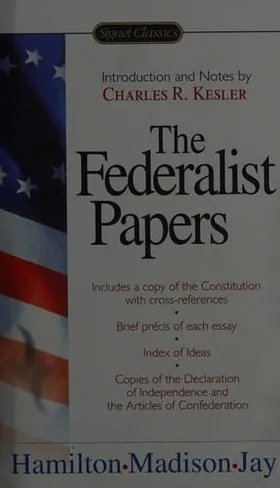
The programs assign these as books because they are: a founding document is political theory that has been made to work, and the Federalist Papers are eighty-five essays explaining why it would. The American documents are the core, on most of the lists: the Declaration, the Articles of Confederation, the Constitution and the Bill of Rights, the Federalist, and Lincoln’s speeches, which are the Declaration read again after a civil war.
The French Declaration of the Rights of Man is the other revolution’s founding text, and Burke’s Reflections the argument that it was a mistake. Magna Carta and the Twelve Articles of the Swabian peasants are the medieval and Reformation precedents. The Requerimiento, which the Spanish read aloud to peoples they were about to conquer, is on the Yale shelf as the founding document of empire.
These are the shortest works on the site and the ones students most often skim. Read the Constitution as an argument, not a list: every clause is the resolution of a quarrel the Federalist describes. Read the Declaration next to Locke and next to Douglass’s Fourth of July speech, and the document becomes a book.