Philosophical dialogue
Philosophy staged as conversation.
39 works · Refine in the browser →
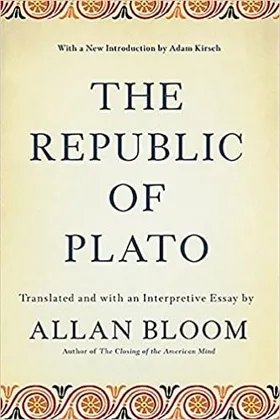
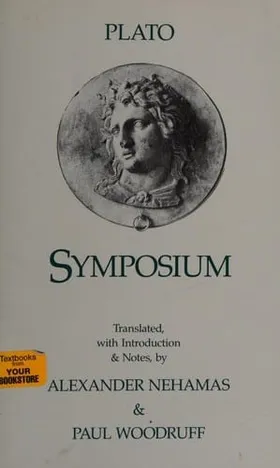
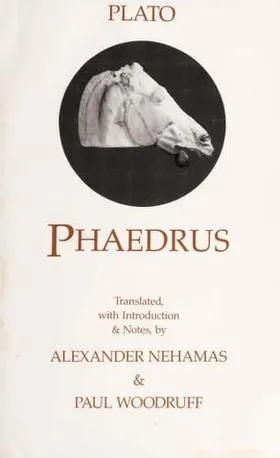
Plato wrote his philosophy as plays with Socrates as the lead, and never speaks in his own voice; the reader has to decide what Plato thinks from what Socrates says and who he says it to. That is the point of the form. The early dialogues, Euthyphro, Apology, Crito, Ion, are short and end without answers. The middle ones, Meno, Phaedo, Symposium, Republic, Phaedrus, are where the theory of forms appears. The late ones, Parmenides, Timaeus, Laws, are hard and are assigned mostly at St. John’s.
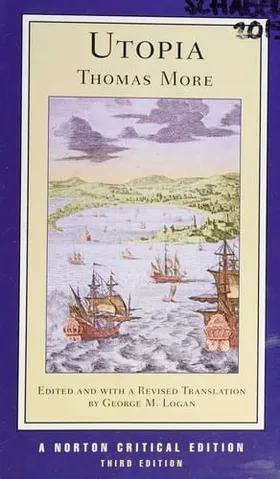
The form survived Plato because it lets a writer put more than one view on the page without choosing. Cicero used it for Roman philosophy. Augustine’s On the Teacher is a dialogue with his son. Boethius talks to Philosophy in prison. More’s Utopia is a conversation in a garden in Antwerp. Galileo’s two great books are dialogues, so that the Aristotelian could be given his say and then lose. Berkeley’s Three Dialogues and Hume’s Dialogues on religion carry the form into the Enlightenment.
Job, on this shelf, is the Bible’s dialogue: a man and his three friends arguing over what his suffering means, until God interrupts. Read the Apology first, then the Symposium, then the Republic, in that order, and the form teaches itself.