Satire

Mockery with a moral edge.

44 works · Refine in the browser →

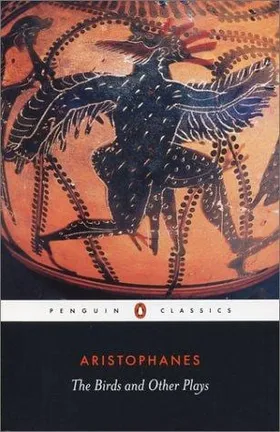
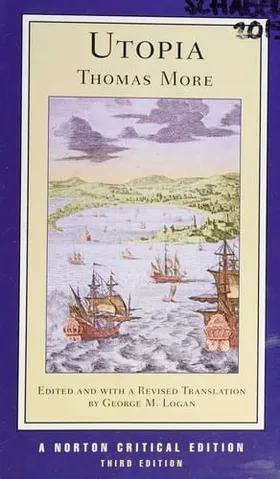
Aristophanes is the founder and the freest: eleven surviving comedies that mock Socrates, Euripides, the war party, the assembly and the gods, in a city that let him. Horace and Juvenal gave the form its Roman shape, and its name. Lucian mocked the philosophers and the afterlife. Erasmus put the Renaissance in the mouth of Folly, and More’s Utopia is satire so straight-faced that readers still argue about which parts are meant.

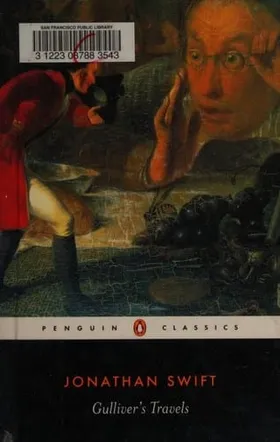
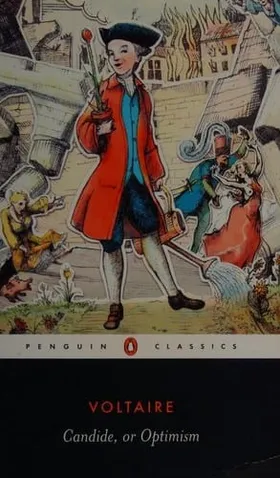
The English eighteenth century is the form’s high season. Swift is its master: Gulliver’s Travels is on five lists, and A Modest Proposal is the most savage short piece in the language. Pope’s Rape of the Lock is satire in heroic couplets, and Johnson’s Vanity of Human Wishes satire as elegy. Voltaire’s Candide, from the same decades, is the French version, faster and crueller and kinder.

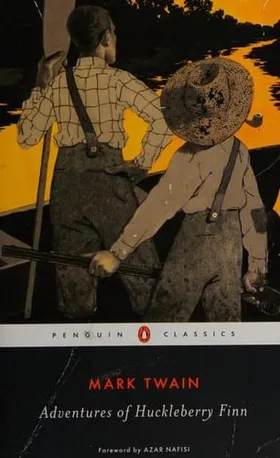
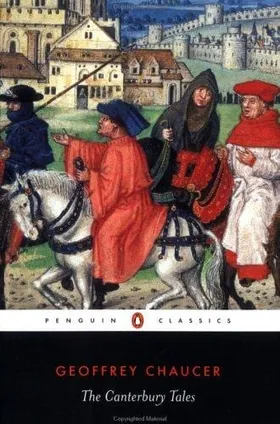
The novel absorbed satire as it absorbed everything: Cervantes, Rabelais, Fielding, Sterne, Twain’s Huckleberry Finn, whose narrator does not know he is exposing his world. Orwell’s Animal Farm is the twentieth century’s fable, and Diderot’s Rameau’s Nephew the Enlightenment turned on itself. Chaucer is here for the Canterbury Tales, whose pilgrims satirise each other and the church as they ride.
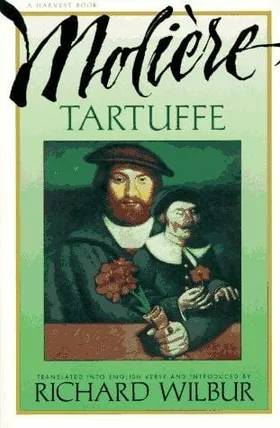
Don QuixoteMiguel de Cervantes · 1605-1615The Canterbury TalesGeoffrey Chaucer · c. 1387-1400Gulliver's TravelsJonathan Swift · 1726The CloudsAristophanes · 423 BCEAdventures of Huckleberry FinnMark Twain · 1884-1885The BirdsAristophanes · 414 BCEThe FrogsAristophanes · 405 BCEThe Praise of FollyDesiderius Erasmus · 1511UtopiaThomas More · 1516TartuffeMolière · 1664CandideVoltaire · 1759LysistrataAristophanes · 411 BCEGargantua and PantagruelFrançois Rabelais · 1532-1564The Provincial LettersBlaise Pascal · 1656-1657The MisanthropeMolière · 1666The MiserMolière · 1668FablesAesop · c. 6th c. BCEWorksLucian · c. 160-180The Thousand and One NightsAnonymous · c. 9th c.Troilus and CressidaWilliam Shakespeare · c. 1602The AlchemistBen Jonson · 1610A New Way to Pay Old DebtsPhilip Massinger · c. 1625The Would-Be GentlemanMolière · 1670The Imaginary InvalidMolière · 1673A Tale of a TubJonathan Swift · 1704The Rape of the LockAlexander Pope · 1712Persian LettersMontesquieu · 1721A Modest ProposalJonathan Swift · 1729Joseph AndrewsHenry Fielding · 1742The Vanity of Human WishesSamuel Johnson · 1749Tom JonesHenry Fielding · 1749Tristram ShandyLaurence Sterne · 1759-1767Rameau's NephewDenis Diderot · c. 1761Philosophical DictionaryVoltaire · 1764A Sentimental Journey Through France and ItalyLaurence Sterne · 1768The School for ScandalRichard Brinsley Sheridan · 1777Poems and SongsRobert Burns · 1786-1796Don JuanLord Byron · 1819-1824The Pickwick PapersCharles Dickens · 1836-1837Hard TimesCharles Dickens · 1854Little DorritCharles Dickens · 1855-1857The Theory of the Leisure ClassThorstein Veblen · 1899The Mysterious StrangerMark Twain · 1897Animal FarmGeorge Orwell · 1945