Economics
Wealth, labour, markets and their discontents.
10 works · Refine in the browser →
Aristotle discussed exchange and interest in the Politics and the Ethics and decided that money-making was not a natural activity; the scholastics agreed and worked out a theory of the just price. Economics as a science begins with Adam Smith in 1776, and the Wealth of Nations is on eight of the nine lists: the division of labour, the invisible hand, the argument against mercantilism, and a long historical section nobody reads and should.
Marx read Smith and Ricardo and wrote Capital to show that the wealth Smith described was produced by a class that did not receive it. The Manifesto is the argument in outline, and the Economic and Philosophic Manuscripts the young Marx on what work does to the worker. Veblen, in America, explained what the rich buy and why; Weber explained why capitalism began where Protestantism did; Tawney asked whether a society organised around acquisition could be a society.
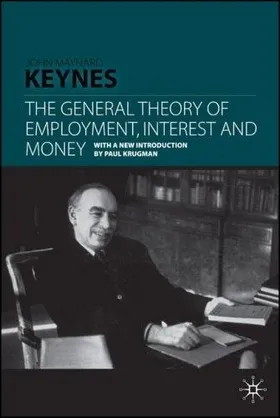
Keynes’s General Theory, on one list, is the twentieth century’s answer to the question of what to do when the invisible hand fails, and the hardest book on the shelf. Pollin and the degrowth authors, at Yale, are the argument now: whether the growth Smith made the measure of a nation’s wealth can continue on a finite planet.