Nineteenth Century
Romanticism, the great novels, Hegel, Marx, Darwin, Nietzsche.
152 works · Refine in the browser →
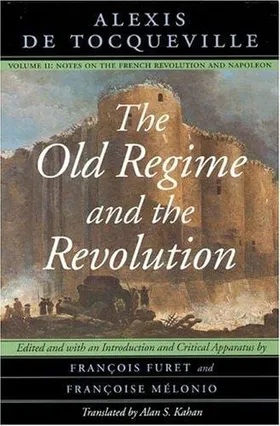
The largest era on the shelf, because the nineteenth century is where the programs let the canon open out. The philosophy is German: Hegel, who made history the story of spirit coming to know itself; Schopenhauer, who said it was will and it was suffering; Kierkegaard, who said the individual before God was all that mattered; Marx, who stood Hegel on his head; Nietzsche, who announced that God was dead and asked what came next. Tocqueville and Mill, in French and English, worked out what democracy would do to the people who lived in it.
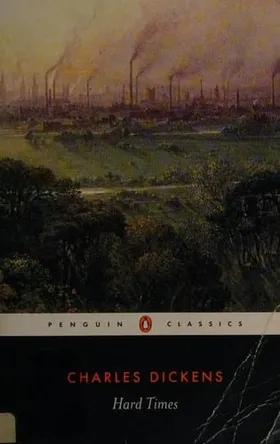
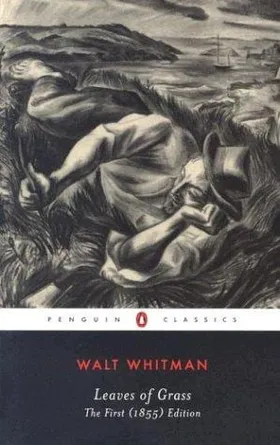
The science is Darwin. The Origin of Species is on five lists, and it changed what a human being was in a way no book since Copernicus had. The Americans found their voice: Emerson, Thoreau, Whitman, Douglass, Lincoln, Melville, Twain. The novel became the century’s great form, and the shelf has Austen, Dickens, George Eliot, Flaubert, Tolstoy and Dostoevsky, several of them at epic length.
Most programs spend their last year here. The reading is longer and easier than the Greeks, and the arguments are the ones still being had. A student who wants the century in three books should read the Manifesto, On Liberty and the Brothers Karamazov, which between them state the political, the liberal and the religious answer to the question of what a modern person is.