Medieval

Scholastic philosophy, chivalric epic, Dante and Chaucer.

42 works · Refine in the browser →

Seven hundred years, from the fall of Rome to the Black Death, and a shelf that is smaller than its era because the programs pick from it carefully. The centre is the thirteenth century, when the universities were founded and Aristotle was recovered from the Arabic. Aquinas’s Summa is the summit: a complete account of God, creation, ethics and law in the form of questions and answers, and the book Thomas Aquinas College spends two years on. Anselm, two centuries earlier, had proved God’s existence in a single argument that is still being debated.

The Islamic and Jewish philosophers who transmitted Aristotle are here too: Al-Farabi, Avicenna, Averroes, Maimonides, and Ibn Tufayl, whose Hayy ibn Yaqzan is a philosophical novel about a boy raised by a gazelle on a desert island who reasons his way to God. The Song of Roland and Beowulf are the epics of the warrior north.

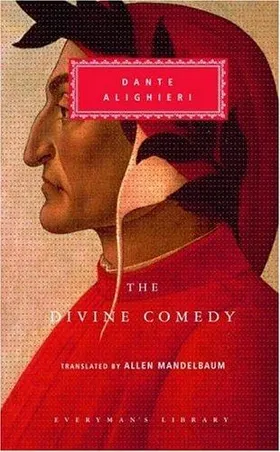
Then Dante and Chaucer, who ended the era by writing in the languages people spoke. The Divine Comedy is the medieval synthesis as a journey, every doctrine of Aquinas turned into a person met on the road. The Canterbury Tales is the same world seen from an inn, with the pilgrims telling stories that are as often bawdy as holy. Start with the Inferno, which is where every reader starts.
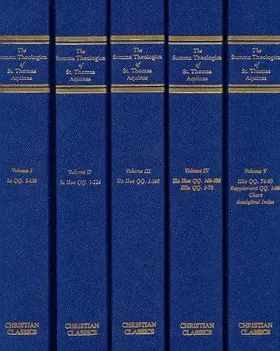
Summa TheologicaThomas Aquinas · 1265-1274The Divine ComedyDante Alighieri · c. 1308-1320The Canterbury TalesGeoffrey Chaucer · c. 1387-1400ProslogionAnselm · c. 1078InfernoDante Alighieri · c. 1308-1314The Song of RolandAnonymous · c. 1100The Story of Hayy ibn YaqzanIbn Tufayl · c. 1160-1185Troilus and CriseydeGeoffrey Chaucer · c. 1382-1386BodhicaryavataraShantideva · c. 700 CEAn Exact Exposition of the Orthodox FaithJohn of Damascus · c. 743BeowulfAnonymous · c. 8th c.On the IntellectAl-Kindi · c. 850The Destruction of Dá Derga's HostelAnonymous · c. 8th c.Doubts About GalenAl-Razi · c. 900-925On the IntellectAl-Farabi · c. 940The Attainment of HappinessAl-Farabi · c. 940The Political RegimeAl-Farabi · c. 940The CureAvicenna (Ibn Sina) · c. 1020-1027The Rescuer from ErrorAl-Ghazali · c. 1108The Lais of Marie de FranceMarie de France · c. 1160-1190The Guide of the PerplexedMaimonides · c. 1190The NibelungenliedAnonymous · c. 1200The Translator of DesiresIbn Arabi · c. 1215On Being and EssenceThomas Aquinas · c. 1252-1256On the TeacherThomas Aquinas · c. 1256-1259The Division and Methods of the SciencesThomas Aquinas · c. 1257-1259The Journey of the Mind to GodBonaventure · 1259On KingshipThomas Aquinas · c. 1267The Poetic EddaAnonymous · c. 800The Saga of the VolsungsAnonymous · c. 1250-1300Commentary on the Posterior AnalyticsThomas Aquinas · c. 1271-1272The Saga of Burnt NjalAnonymous · c. 1280The New LifeDante Alighieri · c. 1293-1295On MonarchyDante Alighieri · c. 1312-1318PurgatorioDante Alighieri · c. 1314-1316ParadisoDante Alighieri · c. 1316-1320The Ascent of Mont VentouxPetrarch · 1336The Thousand and One NightsAnonymous · c. 9th c.The MuqaddimahIbn Khaldun · 1377Sir Gawain and the Green KnightAnonymous · c. 1375-1400ShowingsJulian of Norwich · c. 1373-1393ChroniclesJean Froissart · c. 1370-1400