Classical Greece
Athenian tragedy, history, and the philosophy of Socrates, Plato and Aristotle.
54 works · Refine in the browser →
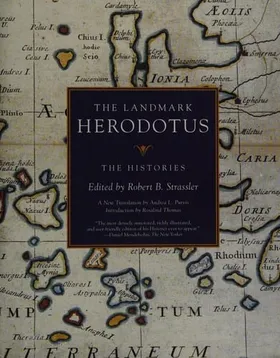
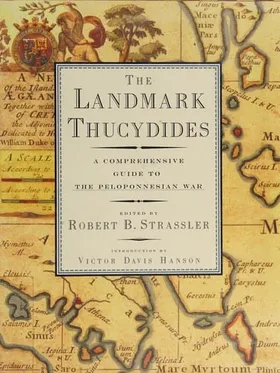
One city, about a hundred and fifty years, and more of the great books than any other era on the shelf. Athens between the Persian Wars and the death of Aristotle produced the tragedians, the historians, the comic poet, and the two philosophers the rest of the tradition has been footnoting since. The programs spend most of the first year here for that reason, and a student who finishes it has read Aeschylus, Sophocles, Euripides, Aristophanes, Herodotus, Thucydides, a dozen dialogues of Plato and half of Aristotle.
The order matters. The tragedians came first and asked the questions in the theatre: what justice is in the Oresteia, what a person owes the state in Antigone, what the gods want in the Bacchae. Herodotus and Thucydides took the questions into history. Socrates took them into the marketplace, and Plato wrote down what happened when he did. Aristotle, Plato’s student for twenty years, turned the questions into sciences, ethics and politics and physics and poetics, each with its own book.
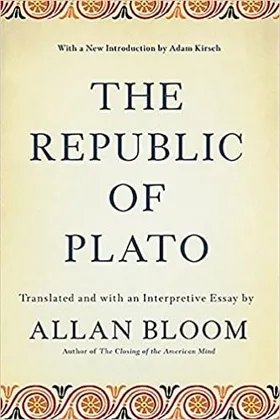
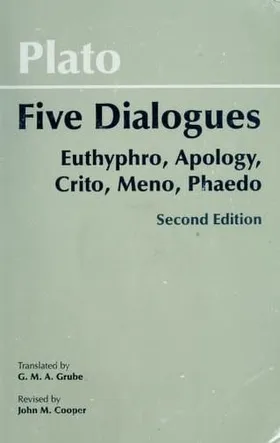
Start with the Apology, which is short and is Socrates in his own voice. Read a tragedy next, Antigone or Oedipus, and then the Republic, which is long and hard and is the book the era exists to produce. The Ethics is the other summit, and easier.