Archaic Greece
Homer, Hesiod and the lyric poets, before Athens' golden age.
5 works · Refine in the browser →
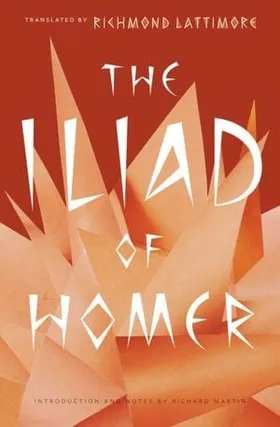
Five works, and two of them are the foundation of everything that follows. The Iliad and the Odyssey were composed, probably by more than one poet, in the eighth century BCE, sung before they were written, and by the time Plato was writing they were the education of every Greek. The programs on this site still open with them: every one of the nine lists assigns the Odyssey, eight the Iliad, and at St. John’s they are the first books of the freshman year.
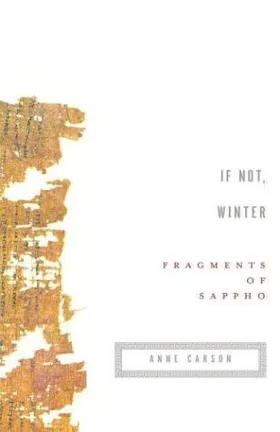
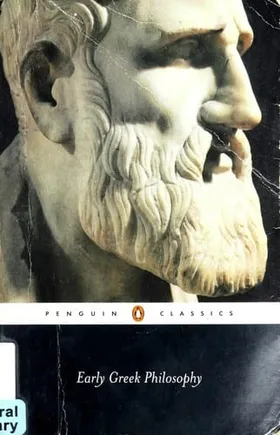
Around Homer sit the other archaic voices. Sappho’s fragments are what survives of the greatest lyric poet in Greek, most of it a line or two long, and a student who reads them next to the Iliad sees the whole range of the tradition in a week: war and desire, the public voice and the private. The Presocratic fragments are the first philosophy, Thales and Heraclitus and Parmenides, preserved in quotations because the books were lost, and they ask the questions Plato inherited. Aesop’s fables are the shelf’s one entirely approachable book.
Hesiod, whose Theogony and Works and Days are the other archaic epics, is on the lists only as a reading within larger surveys, which is why he is not here. The era is short on the shelf and long in influence.