Renaissance
Humanism, Machiavelli, Montaigne, Shakespeare and the new science's first stirrings.
54 works · Refine in the browser →
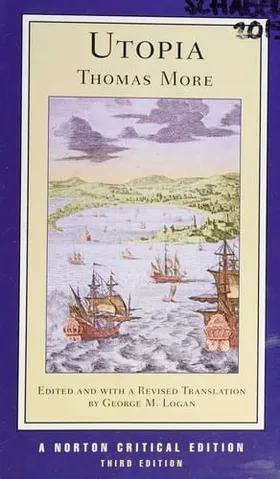
The recovery of the classical world and the breaking of the medieval one, in the same two centuries. Petrarch climbed a mountain in 1336 with Augustine in his pocket and is called the first modern man for what he thought at the top. The humanists who followed him recovered Cicero, Lucretius and Plato and learned to read Greek again. Erasmus edited the New Testament and wrote the Praise of Folly. More wrote Utopia. Cellini wrote the first autobiography by an artist, and it is a scandal.
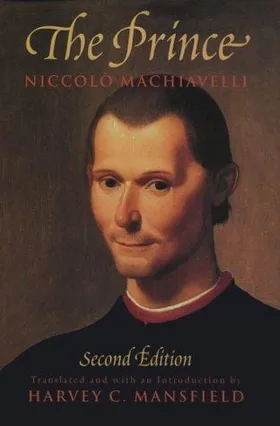
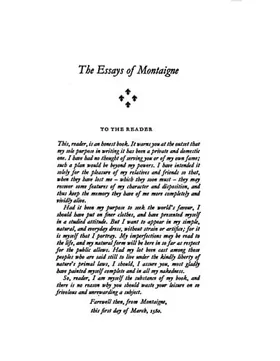
Then two men broke things. Machiavelli, in a hundred pages, separated politics from ethics and has been read by every ruler since. Luther, in three treatises and a set of theses, separated the believer from the church and split Christendom in two; Calvin turned the split into a system. Montaigne, at the end of the century, invented the essay so that he could ask what he knew and answer, in the end, not much.
Shakespeare is the era’s summit and its exit. Hamlet is here, and the sonnets, and the plays that most programs assign in the second year alongside Machiavelli and Montaigne, whom Shakespeare had read. Marlowe’s Faustus and Cervantes’s Quixote, at the edge of the era, are the two modern heroes: the man who sells his soul for knowledge and the man who reads too much.