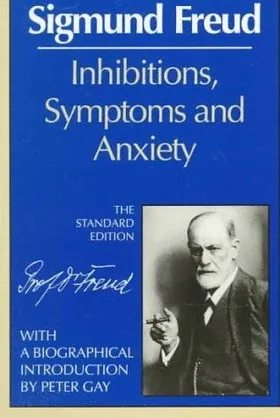
Sigmund Freud
1856 – 1939 · Germany and Austria
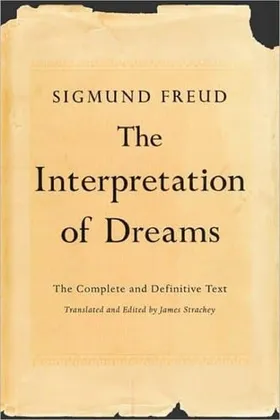
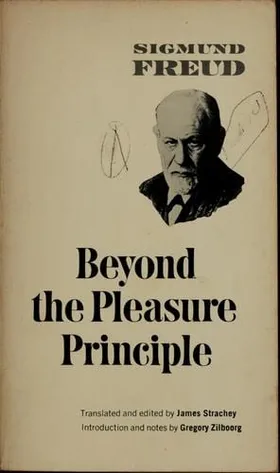
Sigismund Schlomo FreudSigmund Freud trained as a neurologist in Vienna and, from his work with patients suffering from hysteria, built psychoanalysis: the theory that much of mental life is unconscious, that dreams and slips reveal it, and that talking can treat what it produces. The Interpretation of Dreams set out the method; the later works, from Beyond the Pleasure Principle to Civilization and Its Discontents, turned it on society, religion and death. He fled the Nazis for London in 1938 and died there. The original 1952 Great Books set gave him a whole volume, the only twentieth-century author so honoured.
Works on the lists
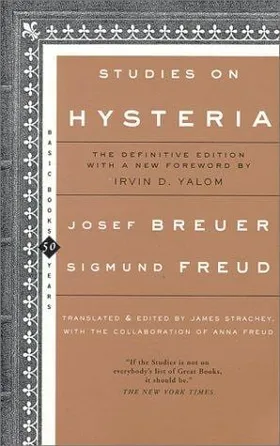
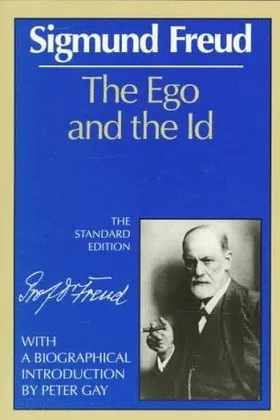
Selected Papers on HysteriaThe Interpretation of DreamsFive Lectures on Psycho-AnalysisOn NarcissismRemembering, Repeating and Working-ThroughThe UnconsciousThoughts for the Times on War and DeathA General Introduction to Psycho-AnalysisIntroductory Lectures on PsychoanalysisMourning and MelancholiaBeyond the Pleasure PrincipleGroup Psychology and the Analysis of the EgoThe Ego and the IdInhibitions, Symptoms, and AnxietyCivilization and Its DiscontentsNew Introductory Lectures on Psychoanalysis